 New York Personal Injury Attorneys Blog
Articles Posted in Police Brutality
2025 Year in Review: Landmark Verdicts and Settlements by Gair, Gair, Conason, Rubinowitz, Bloom, Hershenhorn, Steigman & Mackauf


The 2025 Year in Review documents another extraordinary year for the NYC personal injury law firm of Gair, Gair, Conason, Rubinowitz, Bloom, Hershenhorn, Steigman & Mackauf, marked by record-setting verdicts, precedent-shaping settlements, and litigation that advanced safety and accountability across New York.
Throughout 2025, the firm secured results in cases involving catastrophic injury, wrongful death, medical malpractice, construction accidents, transportation disasters, premises liability, and sexual abuse, many of which rank among the most significant outcomes in New York State history.Record-Setting and Notable 2025 Results
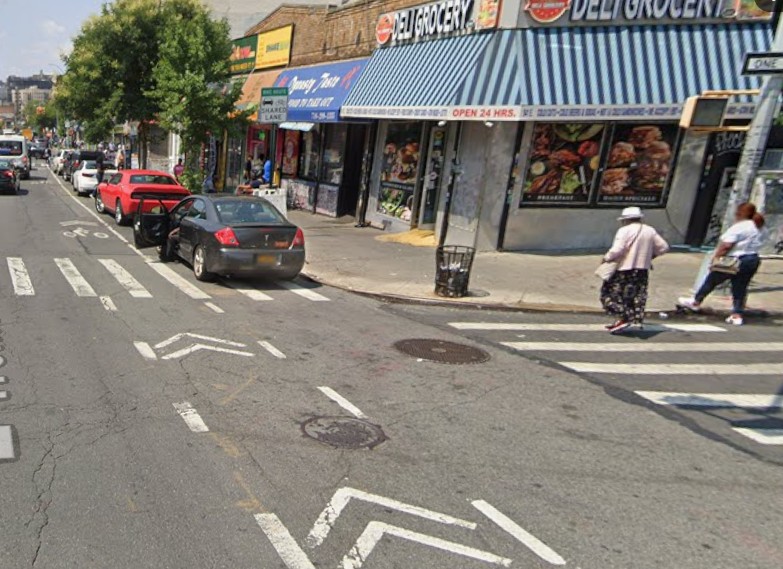
Most Common Personal Injury Claims in New York in June: Insights from Top NYC Trial Attorneys
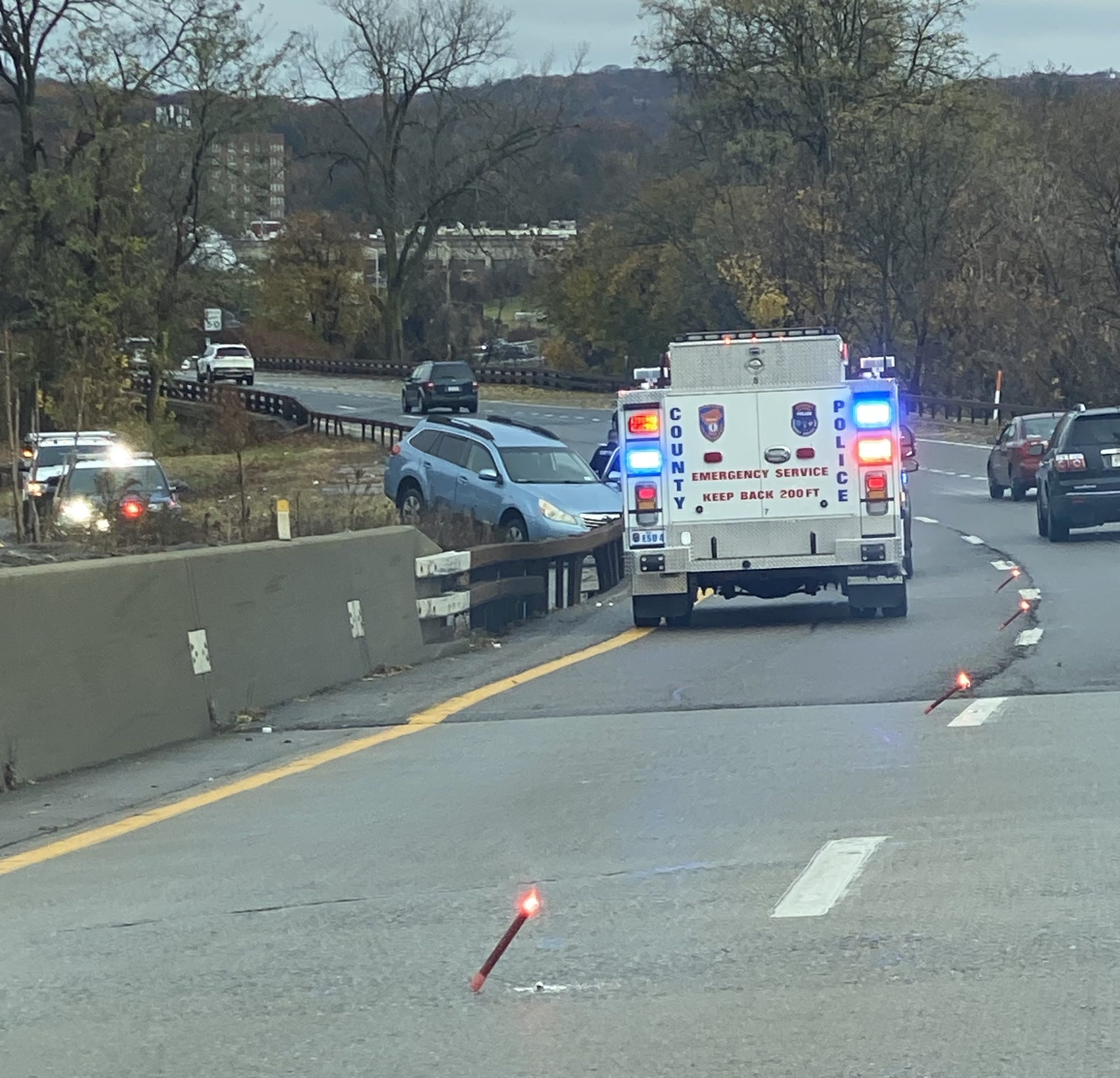 At Gair, Gair, Conason, Rubinowitz, Bloom, Hershenhorn, Steigman & Mackauf, our New York personal injury attorneys have represented victims of negligence in New York for more than 100 years. Each June, we see a seasonal rise in serious personal injury claims across the five boroughs. Below are the most common types of cases we handle this time of year—and what you should know if you or a loved one has been injured.
1. Car Accident Claims
Traffic congestion increases significantly in the summer, and with it, so do accidents. Many of the cases we handle involve serious injuries caused by speeding, distracted driving, or failure to yield. We have obtained some of the highest verdicts and settlements in New York for motor vehicle accident victims, including an $85 million jury verdict for a pedestrian struck by a sightseeing bus in Manhattan.
Rachel Jacobs to Speak at Binghamton University’s Women in the Law Panel
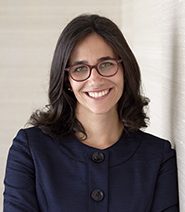
 We are proud to announce that our partner, Rachel Jacobs, will be a featured panelist at her undergraduate alma mater, Binghamton University’s Women in the Law event. This event, hosted by the Harpur Law Council, brings together distinguished female attorneys to discuss their careers, challenges, and the evolving landscape for women in the legal profession.
Date: Wednesday, Oct. 9
Cost: Free
Family of Bystander Shot by NYPD at Brooklyn Subway Stop Demands Release of Body Cam Footage
 The recent incident at a Brooklyn subway station, where an innocent bystander was critically injured by police gunfire, raises urgent questions about police accountability and transparency. Gregory Delpeche, a 49-year-old hospital worker, was riding the L train to his job at Woodhull Hospital when he was struck in the head by a bullet fired by NYPD officers. The officers were responding to a fare evader, Derell Mickles, who allegedly threatened them with a knife. Amid the chaos, a 26-year-old woman and one of the officers were also injured.
As police brutality attorneys, we stand with Delpeche’s family in their call for transparency. His cousins demand the release of body camera footage to clarify what truly happened. Despite claims by the NYPD that officers showed “restraint,” family members are rightfully questioning whether the officers’ decision to discharge their weapons in a crowded subway station was reckless and avoidable.
Body cameras are designed to ensure accountability and to provide an objective account of events when situations escalate, as this one did. The footage could be crucial in determining whether the officers followed proper protocols and if there were sufficient attempts to de-escalate the situation before resorting to lethal force.
Demanding Justice: Reflections from Police Brutality Attorneys on the Tragedy of Win Rozario
As attorneys dedicated to seeking justice for victims of police brutality, the recent tragedy involving the fatal shooting of Win Rozario by the NYPD resonates deeply with us. Our firm, Gair, Gair, Conason, Rubinowitz, Bloom, Hershenhorn, Steigman & Mackauf, has a long history of advocating for those who have suffered at the hands of law enforcement, including representing the family of Amadou Diallo, whose life was tragically cut short in a wrongful shooting by the NYPD.
The parallels between the cases of Amadou Diallo and Win Rozario are stark, illustrating the persistent challenges and injustices faced by individuals, particularly those from marginalized communities, in their interactions with law enforcement. Both cases involve young men of color who found themselves in vulnerable situations and encountered a lethal response from the very authorities meant to protect and serve.
Win Rozario’s family, much like the Diallo family, is left grappling with grief, trauma, and unanswered questions in the wake of this senseless tragedy. Our role as their legal representatives goes beyond seeking financial compensation; it is about holding accountable those responsible for Win’s death and advocating for systemic reforms to prevent similar incidents from recurring.
NYPD misconduct costed tax payers more than $500 million over the last 6 years including $115 millions last year
New York City has expended over $500 million in police misconduct settlements over the past six years, with nearly $115 million disbursed in 2023 alone. An analysis, provided by the Legal Aid Society, not only quantifies the financial ramifications of these settlements but also underscores a systemic issue that demands urgent and comprehensive reform.
As a legal professional specializing in police misconduct, the figures presented are not just a testament to the financial burden on the city’s coffers but a reflection of deeper, more insidious problems within our law enforcement institutions. The rising median payout in these lawsuits, from $10,500 in 2018 to $25,000 in 2023, signifies an alarming trend in the nature and severity of misconduct allegations. It is indicative of a troubling escalation in the consequences of policing practices, particularly on marginalized communities disproportionately affected by these actions.
The backdrop to these settlements is a history of aggressive policing tactics from the 1990s, aimed at curbing the soaring crime rates but at a significant cost. The wrongful convictions from this era, predominantly impacting Black and Hispanic individuals, have left a lasting scar on the fabric of our community. The case of detective Louis N. Scarcella, whose dubious investigative methods led to the wrongful conviction of 14 individuals, is a stark reminder of the catastrophic impact one individual can have within a flawed system.
Remembering Amadou Diallo: A Commitment to Justice and Change
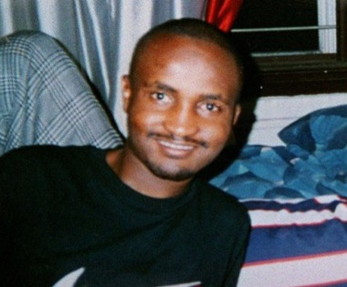 As we mark the 25th anniversary of the tragic death of Amadou Diallo, our hearts are once again with his family and all those who have been affected by similar injustices. Amadou, an unarmed 23-year-old immigrant from Guinea, was killed on February 4, 1999, by plainclothes officers of the New York City Police Department’s Street Crime Unit. The loss of Amadou under a hail of 41 bullets, based on a grievous misjudgment, is a moment that remains etched in the memory of our city and our nation.
Our firm had the solemn privilege of representing Amadou’s family in their quest for justice and accountability. Although no legal outcome could ever compensate for the loss of a loved one, the $3 million settlement reached with the City of New York in March 2004 was a recognition of the profound wrongness of the actions that led to Amadou’s death. It was one of the largest settlements of its kind under New York State’s “wrongful death law”, highlighting the gravity of the negligence, wrongful death, racial profiling, and violations of civil rights that occurred.
The acquittal of the officers involved did not deter us from our pursuit of justice, nor did it silence the voices demanding change. Instead, it galvanized a movement towards police reform and accountability that continues to this day. The disbandment of the Street Crime Unit in 2002 and the ongoing calls for transparency and fairness in policing are testaments to the enduring impact of Amadou’s story.
Preventing police-involved shooting by improving mental health services and looking at addiction in a different manner
 Too often people shot or brutalized by police are suffering mental issues or drug addiction and have trouble finding stable housing. In a recent article published in Policy & Practice, the flagship publication of the American Public Human Services Association, Daniel Pollack, a professor at Yeshiva University’s School of Social Work in New York City and Jamie Tester Morfoot, an Assistant Professor at the University of Wisconsin Eau Claire’s Social Work Department describe how the city of Eau Claire in the Midwest created a Criminal Justice Collaborating Council (CJCC) that studied the life of a victim during the entire year previous to being shot by the police and as a result proposed changes in Eau Claire County services systems to prevent such shootings.
Responding police teams now have a mental health professional with them and may have access to information related to the personal mental health history of the person they are going after. The county jail also added mental health services. The County Treatment Courts has redefined its terms to be more accessible to drug dealers fighting addiction. Eau Claire also created a Free Mental Health Clinic that will be expanded and also studies options to expand affordable housing.
“By embracing the uncomfortable conversations around how service systems may have failed an individual, Eau Claire County has implemented changes resulting in improved outcomes for its citizens in need of additional supports. By reframing gaps in service as a community issue, instead of just individual government system issues, the human services provider leadership is striving to create better outcomes for all Eau Claire community members.”
