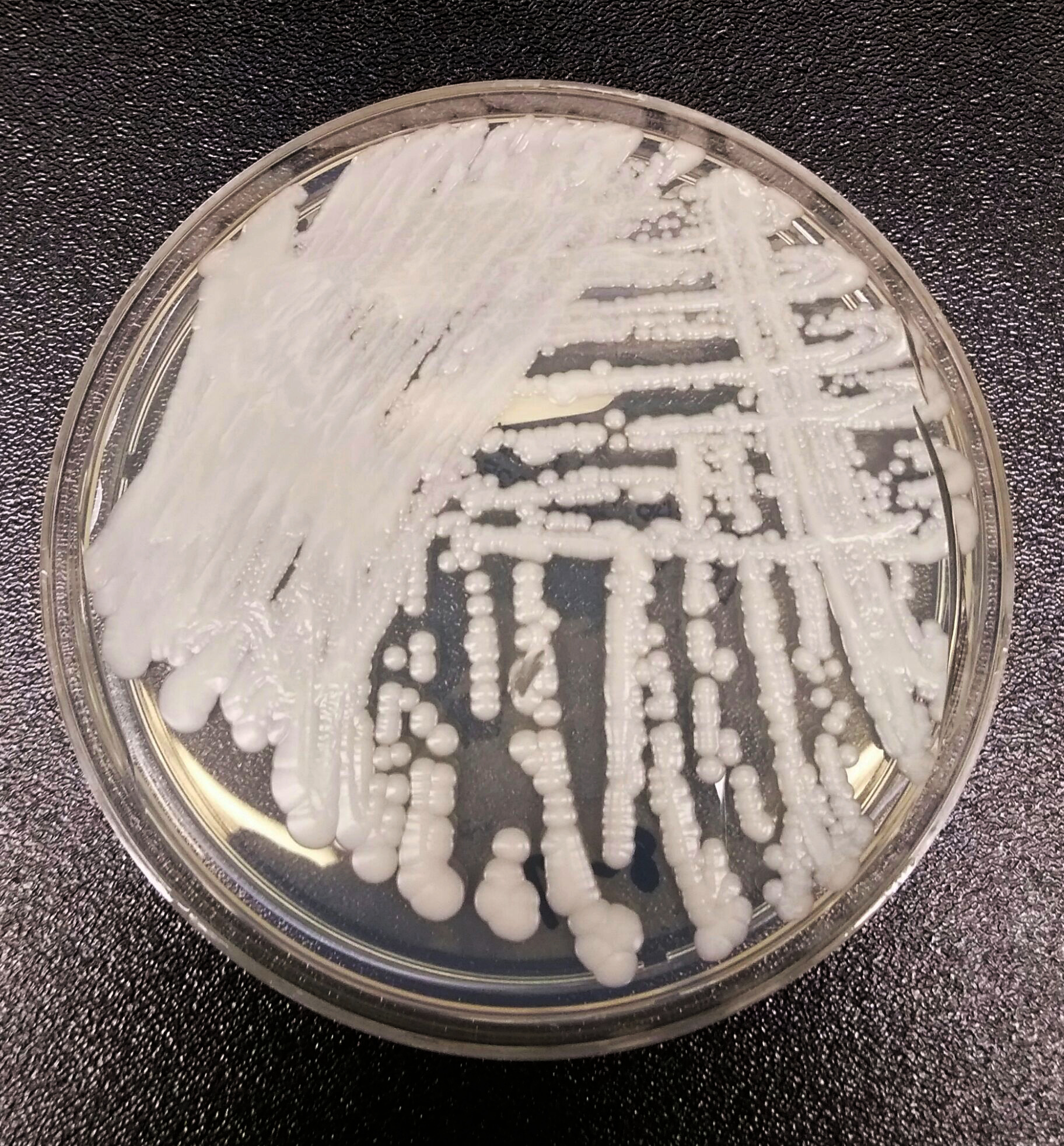
From the perspective of our nursing home negligence lawyers and hospital negligence attorneys, this trend raises urgent legal and patient-safety questions about infection control, early detection, and accountability within healthcare facilities.
What Is Candida auris and Why Is It So Dangerous?
Candida auris is a type of yeast that is difficult to detect and frequently resistant to antifungal medications. The Centers for Disease Control and Prevention (CDC) warns that while some infections can be treated with echinocandins, the fungus is becoming increasingly resistant—leaving fewer effective treatment options.
Medical researchers have noted that outdated diagnostic tools can misidentify Candida auris, delaying treatment and allowing infections to spread unchecked. In healthcare environments where patients already suffer from compromised immune systems, such delays can be devastating.
How Candida auris Spreads in Healthcare Settings
Health experts report that Candida auris spreads primarily in hospitals and nursing homes. Unlike many infections, it can colonize a patient’s skin without causing immediate symptoms. As a result, patients and staff may unknowingly spread the fungus to:
-
Bedrails and hospital furniture
-
Catheters and medical devices
-
Shared equipment and surfaces
Once established, Candida auris can persist on surfaces for long periods, making rigorous infection-control protocols essential.
Why Nursing Homes and Hospitals May Be Liable
Nursing home residents and hospitalized patients depend entirely on facilities to protect them from preventable infections. When healthcare providers fail to follow proper protocols—such as isolating infected patients, maintaining sanitary environments, or using accurate diagnostic testing—those failures may constitute negligence.
Potential warning signs of negligence include:
-
Inadequate infection-control policies
-
Failure to screen or isolate colonized patients
-
Poor sanitation of rooms, equipment, or medical devices
-
Delayed diagnosis due to outdated testing methods
In many cases, patients and families are never informed that exposure to a drug-resistant organism may have occurred.
Legal Rights After a Healthcare-Acquired Infection
From the standpoint of hospital negligence lawyers and nursing home negligence attorneys, infections like Candida auris demand close scrutiny. While not every infection is legally actionable, preventable exposure caused by lapses in care can form the basis of a claim—particularly when it leads to severe illness, prolonged hospitalization, or death.
Healthcare facilities have a legal duty to:
-
Implement strict infection-control measures
-
Protect high-risk patients from known dangers
-
Respond promptly to emerging public-health threats
When that duty is breached, affected patients and families may have the right to pursue compensation and demand accountability.
Vigilance, Prevention, and Accountability
Experts agree that early detection and strict infection-control practices remain the best defenses against Candida auris. As cases continue to rise, hospitals and nursing homes must adapt quickly—or risk exposing patients to serious, sometimes fatal, infections.
For families concerned about unexplained infections or sudden declines in health after hospitalization or nursing home care, speaking with experienced nursing home negligence lawyers and hospital negligence attorneys can help determine whether preventable failures played a role and what legal options may be available. Contact us at 212-943-1090 or fill a form online for a free consultation with one of our top trial attorneys.