To qualify, hospitals must first earn an “A” Hospital Safety Grade in Leapfrog’s most recent scoring cycle and then meet strict, data-driven criteria under Leapfrog’s annual Top Hospital Methodology. There is no cap on the number of recipients; any hospital that meets the standard is honored.
Yet in 2025, only a small number of hospitals in New York State reached that benchmark.
New York Hospitals Recognized as 2025 Leapfrog Top Hospitals
The following New York hospitals were honored on December 15, 2025, at the Leapfrog Annual Meeting & Awards Dinner:
-
Gouverneur Hospital (Gouverneur, NY) – Rural Top Hospital
-
Keller Army Community Hospital (West Point, NY) – General Top Hospital
-
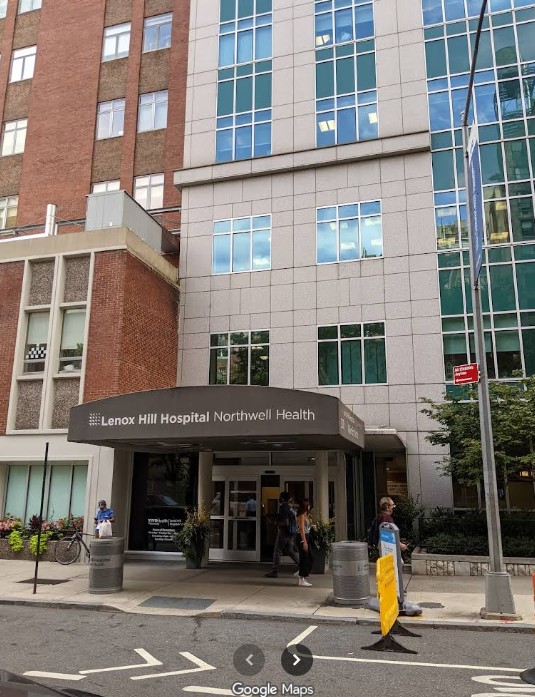
Northwell Lenox Hill Hospital (Manhattan) – Teaching Top Hospital
-
NYU Langone Hospital—Long Island (Mineola, NY) – Teaching Top Hospital
-
NYU Langone Hospitals (Manhattan) – Teaching Top Hospital
-
Plainview Hospital (Plainview, NY) – Teaching Top Hospital
-
St. Francis Hospital & Heart Center (Roslyn, NY) – Teaching Top Hospital
-
White Plains Hospital (White Plains) – General Top Hospital
Only Two NYC Hospitals—Both in Manhattan—Earned Top Hospital Status
Despite New York City’s size and its concentration of major medical centers, only two hospitals within NYC earned Leapfrog’s Top Hospital designation in 2025, and both are located in Manhattan:
-
Lenox Hill Hospital
-
NYU Langone Hospitals
No hospitals in Brooklyn, Queens, the Bronx, or Staten Island achieved this highest safety distinction.
Why This Gap Raises Serious Patient Safety Concerns
From the perspective of our NYC medical malpractice lawyers, this data is not academic. Hospitals that fall short of Leapfrog’s highest standards often exhibit systemic safety gaps—exactly the types of failures that can lead to serious patient harm.
These risks frequently include:
-
Preventable medication and dosing errors
-
Higher rates of hospital-acquired infections
-
Inconsistent maternity, surgical, and anesthesia safety protocols
-
Breakdowns in communication, staffing, and patient monitoring
When these systems fail, the consequences can be life-altering or fatal.
The Real Danger for Patients and Families
Leapfrog’s safety metrics consistently show that hospitals with lower safety performance expose patients to significantly higher risks of preventable injury. For families, this can mean prolonged hospitalizations, permanent disability, or the loss of a loved one due to errors that should never have occurred.
In our experience representing injured patients across New York City, these outcomes are rarely the result of a single mistake. More often, they reflect institutional failures—failures that place patient safety at risk long before a doctor ever enters the room.
Accountability and Patient Rights
Hospital safety rankings matter because they provide transparency. When hospitals do not meet nationally recognized safety benchmarks, patients have a right to question whether proper safeguards were in place.
For those harmed by medical negligence, speaking with experienced NYC medical malpractice lawyers can help determine whether a preventable error occurred and whether the hospital or providers should be held accountable.
A Call for Higher Standards Across New York City
The fact that only two Manhattan hospitals earned Leapfrog’s Top Hospital designation in 2025 shows that excellence in patient safety is achievable—but not yet universal.
Patients across all five boroughs deserve the same commitment to safety, oversight, and accountability. Until that standard is consistently met, transparency, data-driven evaluation, and legal accountability remain essential.