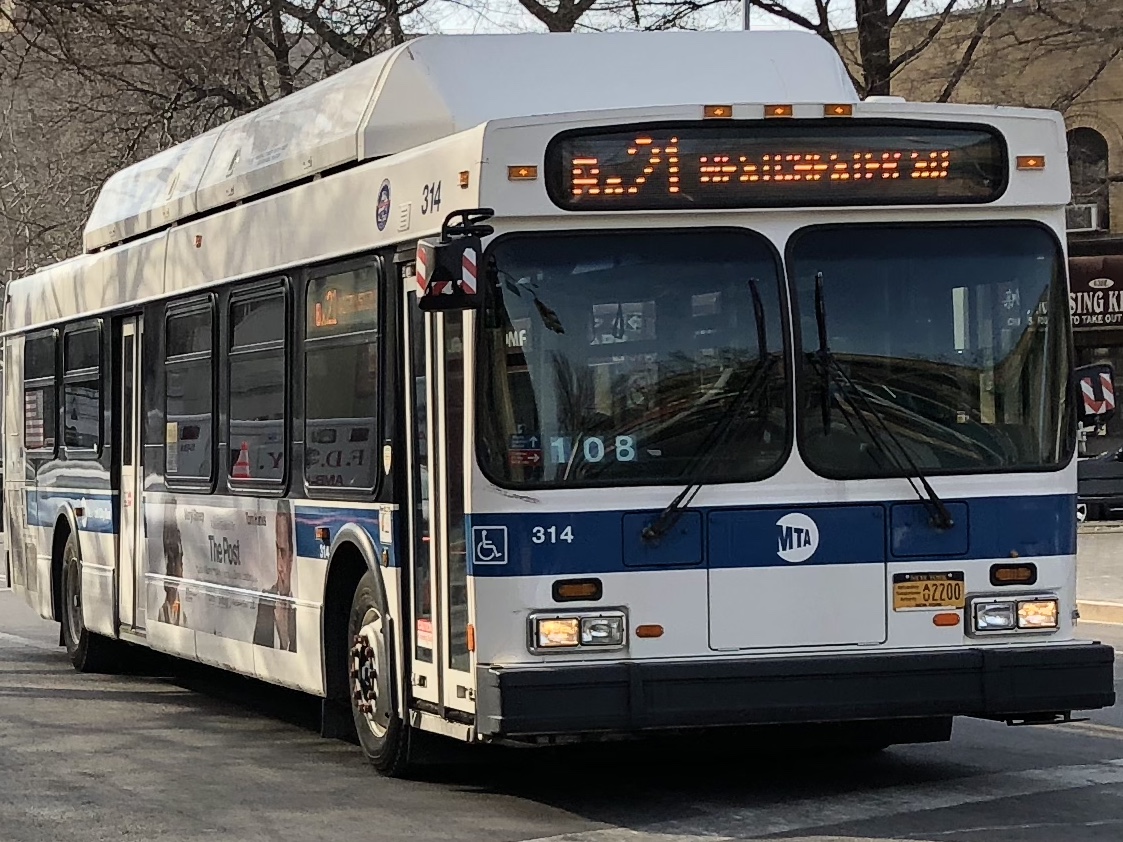
According to reports, the driver of a B6 bus became involved in an argument with the teenager, who was either blocking the bus, refusing to move, or riding alongside it while holding onto the vehicle. Police allege the driver exited the bus and punched the teen multiple times in the face. The boy was transported to Maimonides Medical Center in stable condition, possibly with a broken nose. The driver was charged with assault, endangering the welfare of a child, and reckless endangerment.
While the criminal case will proceed in Brooklyn Criminal Court, the teenager’s parents also have important civil legal rights.
Below is an overview of the lawsuits that may be available.
1. Civil Assault and Battery Claim Against the Bus Driver
Regardless of what the criminal court ultimately decides, the teen and his parents may bring a civil lawsuit against the driver personally for:
-
Assault
-
Battery
-
Intentional infliction of emotional distress
In civil court, the burden of proof is lower than in criminal court. If evidence shows the driver intentionally struck the minor, the family may recover compensation for:
-
Medical expenses
-
Pain and suffering
-
Emotional trauma
-
Any permanent injury (such as nasal fractures or scarring)
Because the victim is a minor, the parents would bring the lawsuit on his behalf.
2. Negligent Hiring, Supervision, and Retention Claims Against the MTA
The more complex and significant claim may be against the employer.
When an on-duty bus driver allegedly assaults a minor while operating a public bus, serious questions arise:
-
Did the MTA properly screen and train this employee?
-
Were there prior complaints or disciplinary issues?
-
Did the agency fail to supervise or intervene?
A lawsuit may assert:
-
Negligent hiring
-
Negligent supervision
-
Negligent retention
If there is evidence the agency knew or should have known the driver posed a risk, liability can extend beyond the individual employee.
3. Vicarious Liability (Respondeat Superior)
Under New York law, employers are often responsible for wrongful acts committed by employees within the scope of employment.
Even if the driver’s conduct violated policy, the key legal question becomes:
Was he acting within the scope of his employment when the altercation occurred?
Because the incident arose during an active bus route dispute involving a passenger or roadway obstruction, plaintiffs may argue the confrontation grew directly out of his duties operating the bus.
If successful, the MTA could be financially responsible for the teen’s damages.
4. Claims Under Federal Civil Rights Law (42 U.S.C. § 1983)
If facts show excessive force under color of state authority, a federal civil rights claim may be considered.
Public transit employees can, in certain circumstances, be treated as acting under color of state law. If a jury finds that the teen’s constitutional rights were violated through excessive force, additional damages may be available.
These claims require detailed legal analysis and fact investigation.
5. Endangering the Welfare of a Child – Civil Implications
The driver has reportedly been charged with endangering the welfare of a child. While that is a criminal charge, it strengthens a civil case because:
-
The victim is a minor.
-
Courts take physical violence against children extremely seriously.
-
Emotional trauma damages may be heightened.
In cases involving minors, psychological injury is often significant and long-lasting.
6. Important: Notice of Claim Deadline
When suing a public authority like the MTA, strict deadlines apply.
A Notice of Claim must typically be filed within 90 days of the incident.
Failure to comply with this requirement can bar recovery entirely.
Parents in situations like this should consult counsel immediately to preserve their child’s rights.
7. Potential Damages in a Case Like This
Depending on medical findings and long-term impact, damages may include:
-
Emergency medical costs
-
Future medical treatment
-
Plastic or reconstructive procedures
-
Psychological counseling
-
Pain and suffering
-
Loss of enjoyment of life
If a facial fracture occurred, that significantly increases case value due to permanency and visible injury.
Criminal Charges Do Not Replace Civil Accountability
The driver’s arrest does not compensate the victim.
Criminal prosecution addresses punishment.
Civil litigation addresses compensation.
These are entirely separate legal processes.
Public Transportation and Use of Force
Public bus drivers operate vehicles weighing tens of thousands of pounds and are entrusted with passenger safety. When disputes arise with cyclists or pedestrians, the standard is de-escalation, not physical confrontation.
Physical violence by a transit employee against a minor raises serious safety and oversight concerns.
What Parents Should Do Immediately
If your child has been injured in a confrontation involving a public transit employee:
-
Seek immediate medical documentation.
-
Preserve photographs of injuries.
-
Identify witnesses.
-
Request any available bus surveillance footage.
-
Consult experienced counsel quickly due to the 90-day Notice of Claim requirement.