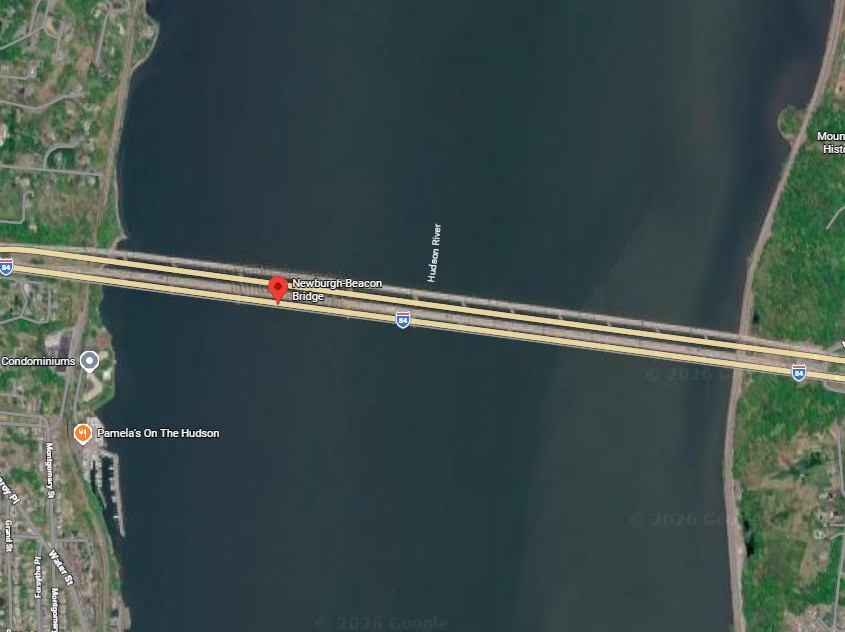
According to federal authorities, the aircraft went down around 8 p.m. near the southbound side of the Newburgh-Beacon Bridge. The pilot and passenger survived the impact, escaped the submerged plane, and swam through frigid, ice-filled waters to shore. Both were transported to local hospitals and are expected to recover.
The Federal Aviation Administration has launched an investigation into the cause of the crash.
While this incident ended miraculously only with minor personal injury, it raises serious legal and safety questions.
When a Small Plane Loses Power: What Could Cause It?
Loss of engine power in a single-engine aircraft can result from several potential factors, including:
-
Mechanical failure
-
Fuel contamination or fuel exhaustion
-
Carburetor icing (especially in freezing conditions)
-
Improper maintenance
-
Manufacturing defects
-
Pilot error
Aviation accidents are rarely “just accidents.” They are often the result of a chain of preventable failures — whether mechanical, operational, or human.
Who Can Be Held Legally Responsible After a Plane Crash?
In aviation litigation, multiple parties may bear responsibility depending on the cause of the crash:
-
Aircraft owner
-
Maintenance company
-
Engine or component manufacturer
-
Fixed base operator (FBO)
-
Flight instructor or co-owner
-
Charter company (if applicable)
Even in privately owned aircraft cases, liability may extend beyond the pilot.
If an investigation reveals negligent maintenance, defective parts, or improper inspection protocols, those responsible can be held accountable through civil litigation.
FAA Investigations vs. Civil Lawsuits
The FAA’s investigation focuses on determining cause and ensuring regulatory compliance. It does not compensate victims.
A separate civil aviation lawsuit may be necessary to recover damages for:
-
Medical expenses
-
Lost income
-
Long-term rehabilitation
-
Psychological trauma
-
Pain and suffering
-
Wrongful death (in fatal cases)
Time limits apply. In some aviation cases, federal law and international conventions can significantly impact filing deadlines and liability caps.
The “Miracle on the Hudson” Comparison
The safe outcome prompted comparisons to the 2009 emergency landing of US Airways Flight 1549, famously piloted by Chesley Sullenberger after dual engine failure shortly after takeoff from LaGuardia.
That event became known as the “Miracle on the Hudson.” While this recent incident also ended without loss of life, the legal analysis in each aviation accident remains highly fact-specific.
Aviation Accidents in Cold Weather: Increased Risks
Winter flying presents additional hazards:
-
Ice accumulation on wings and control surfaces
-
Reduced engine performance
-
Icing in carburetor or fuel systems
-
Limited safe emergency landing options
-
Hypothermia risk after water impact
When aircraft operate in freezing temperatures, strict adherence to safety protocols is critical.
Failure to follow those protocols can amount to negligence.
Why Aviation Litigation Requires Specialized Experience
Aviation accident cases are among the most complex in personal injury law. They often require:
-
Accident reconstruction experts
-
Aviation engineers
-
Maintenance record audits
-
FAA regulatory analysis
-
Black box and avionics data review
-
Meteorological evidence review
These cases may involve federal jurisdiction and specialized evidentiary rules.
Injured in a Plane Crash in New York?
If you or a loved one was injured in an aircraft accident — whether in the air, during takeoff, or during an emergency landing — you should speak with experienced aviation trial counsel immediately.
Even when occupants survive, long-term physical and psychological injuries may emerge after the event.
Early legal intervention protects:
-
Critical maintenance records
-
Aircraft component evidence
-
Witness statements
-
Digital flight tracking data
Aviation evidence can disappear quickly.
Protecting Your Rights After an Aviation Emergency
Aviation accidents are not just headline events. They are legal events.
If negligence played any role — mechanical failure, improper maintenance, or regulatory violations — those responsible must be held accountable.
Our New York airplane accident attorneys represent victims and families in complex aviation litigation, including crashes involving small private aircraft, charter flights, and commercial carriers.
For a confidential consultation regarding an aviation injury case, contact the experienced personal injury lawyers at Gair, gair, Conason, Rubinowitz, Bloom, Hershenhorn, Steigman & Mackauf who understand both the technical and legal dimensions of aircraft accident litigation.