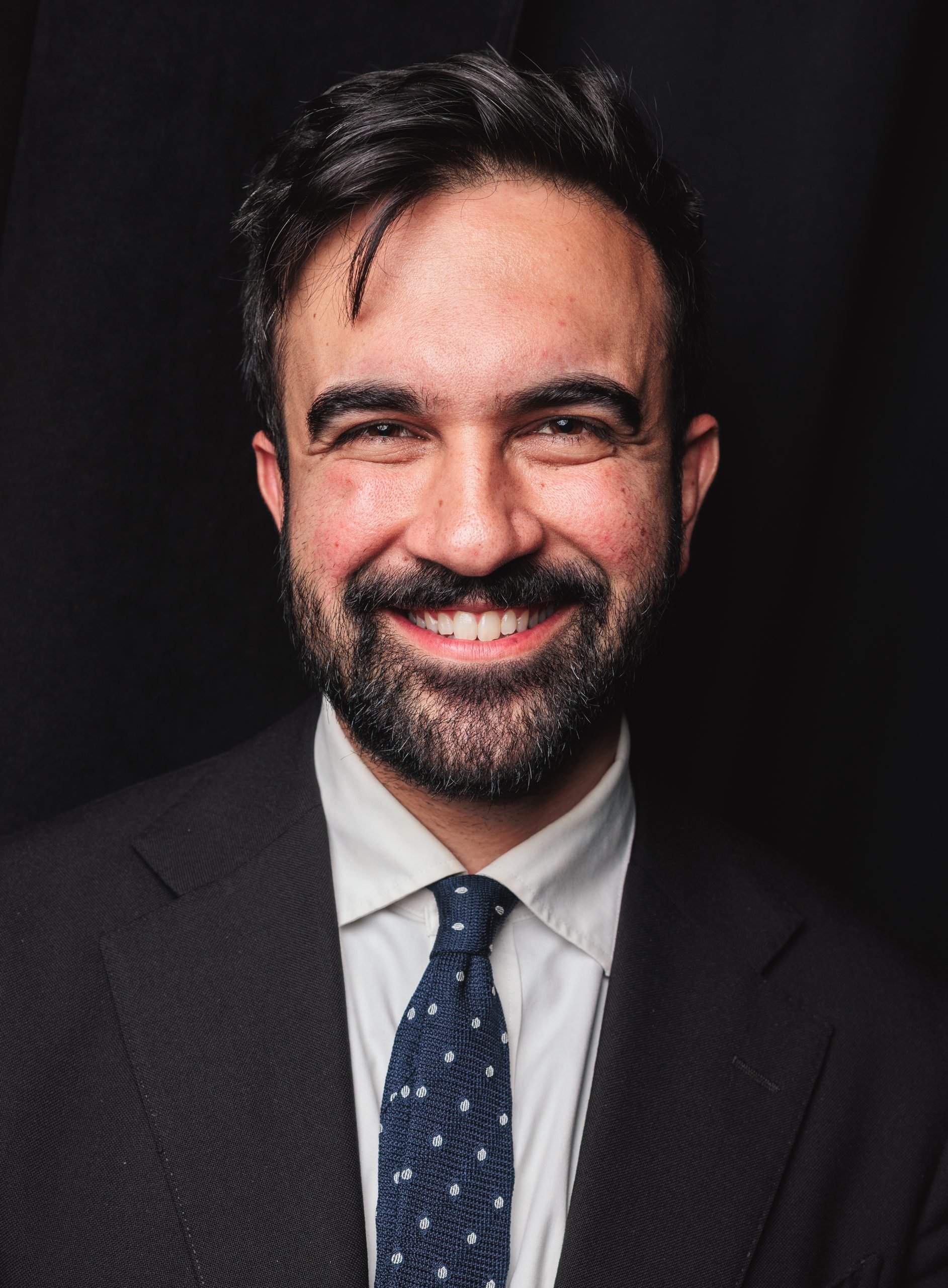
As New York Car Accident Lawyers, we have seen firsthand how decisions made at City Hall shape the risks ordinary New Yorkers face every day. From how fast cars travel on city avenues to how aggressively police pursue fleeing drivers, the policies of each administration directly affect who lives and who dies on our streets.
A Shift from “Law and Order” to “Community Safety”
Mamdani’s campaign centered on the creation of a new Department of Community Safety — a civilian-led agency meant to handle issues that are now largely in the hands of the NYPD. His plan emphasizes outreach workers in transit hubs, expanded mental health crisis response teams, and violence-prevention programs.
This shift could signal a broader rethinking of how New York handles street safety enforcement. Instead of focusing solely on ticketing drivers or conducting punitive crackdowns, the city may move toward prevention, data-driven accountability, and equitable enforcement. For victims of traffic crashes, this could lead to stronger oversight when city agencies or contractors fail to maintain safe conditions, and more transparency when emergency vehicles or police pursuits cause harm.
In our experience, accountability begins with documentation — and a mayor who demands transparency from every agency, including the NYPD and the Department of Transportation, could make it easier for victims to obtain the evidence they need in court.
A Transit-First Agenda Could Redesign the Streetscape
Mamdani has long been an advocate for fare-free bus service, dedicated bus lanes, and safer street design for cyclists and pedestrians. If his administration delivers on that promise, the results could be transformative.
A transit-first city inevitably changes traffic patterns. Fewer private cars on major corridors mean fewer opportunities for high-speed crashes. But new bus lanes, curbside loading zones, and redesigned intersections also bring transition risks — especially in the first months after implementation, when drivers and pedestrians are still adjusting.
We’ve handled numerous cases where confusing new signage, poorly marked crosswalks, or incomplete curb redesigns contributed directly to serious pedestrian and cyclist injuries. As the city builds new infrastructure, temporary hazards — like unfinished barriers or missing signals — can create new dangers. The city has a duty to warn, to mark, and to maintain safe construction zones. Victims injured during these transitions deserve the same full compensation as anyone harmed by reckless driving.
Police Car Chases Under Scrutiny
One area where the new administration could have an immediate impact is police pursuit policy. Under prior leadership, high-speed chases through crowded city streets have led to devastating injuries and wrongful deaths.
Mamdani has spoken frequently about accountability and ensuring that “everyone across this city is held to the same standard of the law.” That philosophy may extend to the NYPD’s chase policy — determining when an officer may initiate or continue a pursuit, how supervisors must monitor it, and how data on pursuit-related injuries are disclosed to the public.
For victims, greater oversight could mean a clearer path to justice. When a police chase causes a crash, injured bystanders often face an uphill battle against secrecy and bureaucracy. Reforms under Mamdani could require the NYPD to release internal logs, body-cam footage, and pursuit authorizations more readily — helping victims’ attorneys uncover whether protocols were violated.
Vision Zero — A New Chapter
New York City’s Vision Zero initiative was once a model for cities nationwide, aiming to eliminate traffic deaths entirely. But in recent years, progress has stalled. Speeding, reckless driving, and dangerous intersections continue to claim hundreds of lives each year.
Mamdani’s background as an organizer and policy advocate could breathe new energy into Vision Zero’s mission. His administration is expected to align with safety organizations like Transportation Alternatives and Families for Safe Streets, who have called for stronger speed enforcement, wider use of red-light cameras, and redesigned corridors with protected bike lanes.
For pedestrians, cyclists, and drivers alike, that means safer design — and for injured victims, it means clearer standards of care. When the city formally adopts new safety measures, property owners and contractors working on adjacent projects are legally obligated to comply. Failure to do so can establish negligence per se, strengthening the plaintiff’s case.
The Built Environment and Municipal Liability
Beyond policing and transit, Mamdani’s housing and affordability agenda could have indirect but meaningful effects on road safety. Encouraging mixed-use, walkable neighborhoods often brings slower traffic and more pedestrian activity — but it also requires better street lighting, visibility at crosswalks, and enforcement of delivery-truck parking rules.
If the administration pushes for “complete streets” in every borough, the city must ensure consistent design standards and timely maintenance. We’ve seen countless cases where missing signage, broken pedestrian signals, or obstructed sightlines contributed to catastrophic injuries.
A mayor focused on equity and livability could reframe those oversights not as isolated errors, but as preventable systemic failures — the kind that demand accountability in court and reform in policy.
What Victims Should Watch for in the Coming Year
The transition period between administrations can be a confusing time. Policies shift, leadership changes, and records may be reorganized. For anyone injured in a traffic collision or police chase, it’s crucial to act quickly. The statute of limitations for personal injury and wrongful death claims remains unchanged — but municipal policies on evidence retention, internal review, and claims procedures may evolve.
Here’s what to monitor as the Mamdani administration begins:
-
Revisions to NYPD pursuit policy — new criteria for initiating or terminating chases could redefine liability.
-
DOT redesign projects — pay attention to neighborhoods with ongoing bus lane or curb expansion work, as temporary hazards may arise.
-
Vision Zero updates — new safety targets could affect how negligence is evaluated in future crash cases.
-
Transparency rules — any city directive expanding public access to crash or enforcement data could strengthen plaintiffs’ access to evidence.
Moving Forward: Holding the City to Its Promises
Leadership changes at City Hall won’t instantly make New York’s streets safe. But they can set a new tone — one that prioritizes prevention, accountability, and compassion for victims.
Our attorneys have represented countless New Yorkers whose lives were shattered by reckless drivers, unsafe road designs, and high-speed police pursuits. We welcome any effort to reduce those tragedies. But we also know that change doesn’t happen without vigilance.
If you or a loved one has been seriously injured in a traffic accident, pedestrian collision, or police chase, contact Gair, Gair, Conason, Rubinowitz, Bloom, Hershenhorn, Steigman & Mackauf at 212-943-1090 for a free consultation. Our New York Car Accident Lawyers have been representing victims for more than a century — and we remain committed to ensuring that every driver, agency, and policymaker is held to the same standard of accountability.