 New York Personal Injury Attorneys Blog
Following Reports of 17 Deaths, Boston Scientific Updates Instructions for Watchman Heart Device Components


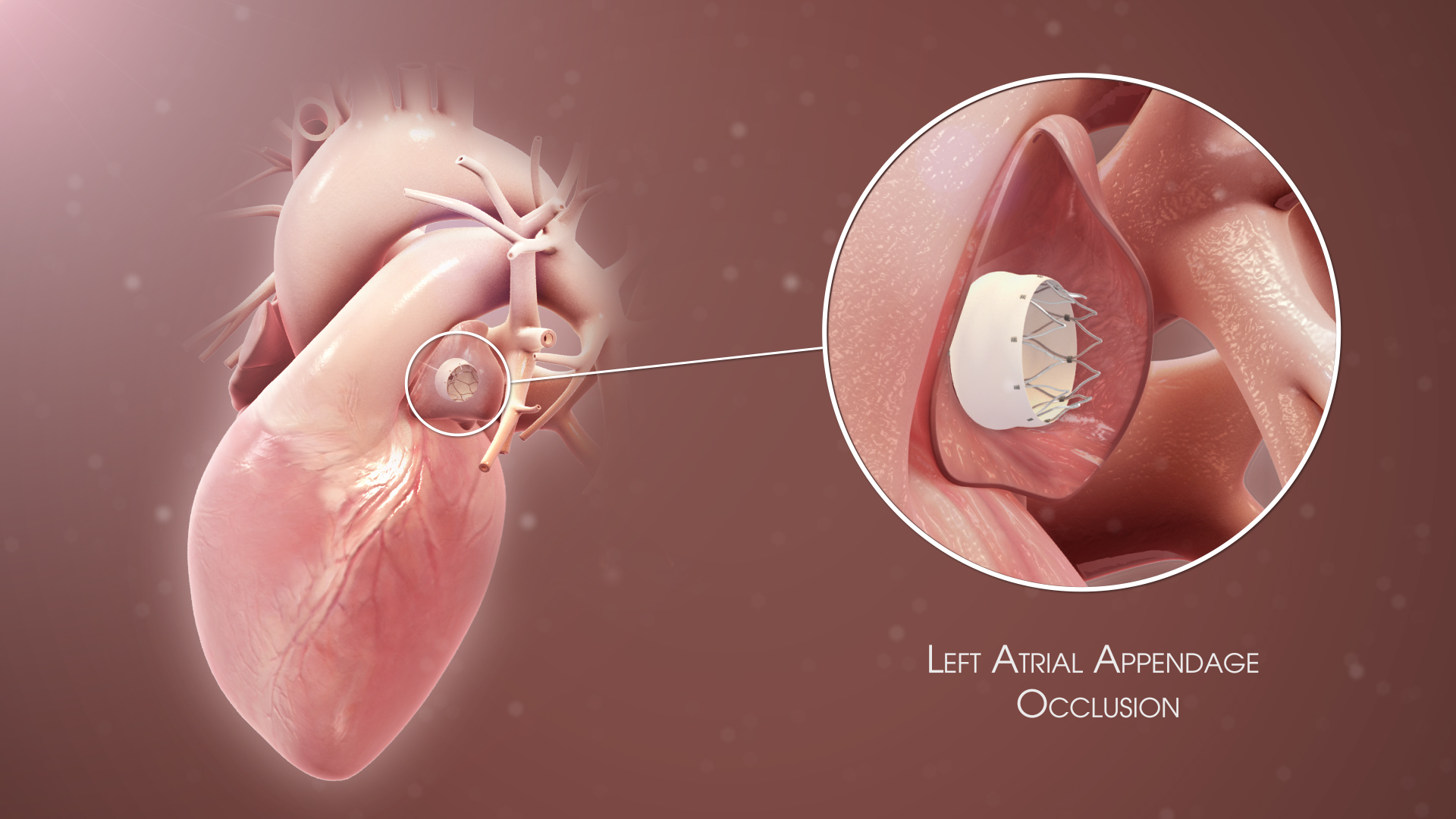 Boston Scientific has issued updated instructions for products used in the implantation of its Watchman left atrial appendage closure device after the Food and Drug Administration (FDA) linked the procedure to 120 serious injuries and 17 patient deaths.
FDA Safety Alert Highlights Increased Risk Under Sedation
According to an FDA safety communication released on August 8, 2025, the updated instructions apply to the FXD Curve, Truseal, and Trusteer access systems—all of which are used to implant the Watchman device. The FDA warned that patients sedated but not placed on mechanical ventilation during the procedure face a heightened risk of air embolism, a dangerous condition caused when an air bubble enters the bloodstream.
Under general anesthesia, a ventilator controls a patient’s breathing, reducing pressure fluctuations in the heart. Sedated patients, however, breathe on their own, which can lead to negative pressure in the left atrium, increasing the likelihood that air will be drawn into the vascular system through the access device.
Once in the bloodstream, air bubbles can cause life-threatening complications, including:
-
Abnormal heart rhythm
-
Stroke
-
Hemodynamic collapse
-
Organ failure
Published clinical data cited by the FDA shows that patients undergoing the procedure under sedation are three times more likely to experience these complications compared to those under general anesthesia.
Boston Scientific’s Updated Recommendations to Physicians
In its safety notice, Boston Scientific advised physicians to take preventive measures when performing the procedure on sedated patients, including:
-
Ensuring patients are not hypovolemic (suffering from severe fluid loss)
-
Keeping the access valve below the level of the heart
-
Exchanging devices as the patient exhales to reduce the risk of air entry
Legal Implications for Patients and Providers
While Boston Scientific’s update may help reduce future risks, the fact remains that 17 lives have already been lost and many more have been harmed. If the updated instructions could have prevented these injuries, questions may arise regarding the timing and adequacy of the company’s warnings.
Furthermore, hospitals and physicians performing these procedures have a responsibility to ensure patient safety by following the most current protocols. If they failed to use appropriate precautions—or continued to perform the procedure under high-risk conditions without adequate safeguards—patients or their families may have grounds for a medical malpractice claim or product liability claim.
Protecting Your Rights After a Medical Device Injury
As product liability attorneys, we have extensive experience holding both medical device manufacturers and negligent healthcare providers accountable when defective products or unsafe practices cause harm. If you or a loved one experienced severe complications or death following the implantation of a Watchman device, it is important to:
-
Seek immediate medical review of the procedure and any related hospital records
-
Preserve all device information and any communication from your medical provider
-
Consult with an attorney experienced in defective medical device litigation
Our legal team investigates these cases thoroughly, consulting with leading medical experts to determine whether a device defect, delayed safety update, or provider negligence contributed to the injury.
Contact Gair, Gair, Conason, Rubinowitz, Bloom, Hershenhorn, Steigman & Mackauf to discuss your case confidentially. Call 212-943-1090 or visit our Product Liability Practice Page for more information.
