 New York Personal Injury Attorneys Blog
Newport PATH Station Train Fire: What Commuters and Injured Passengers Should Know


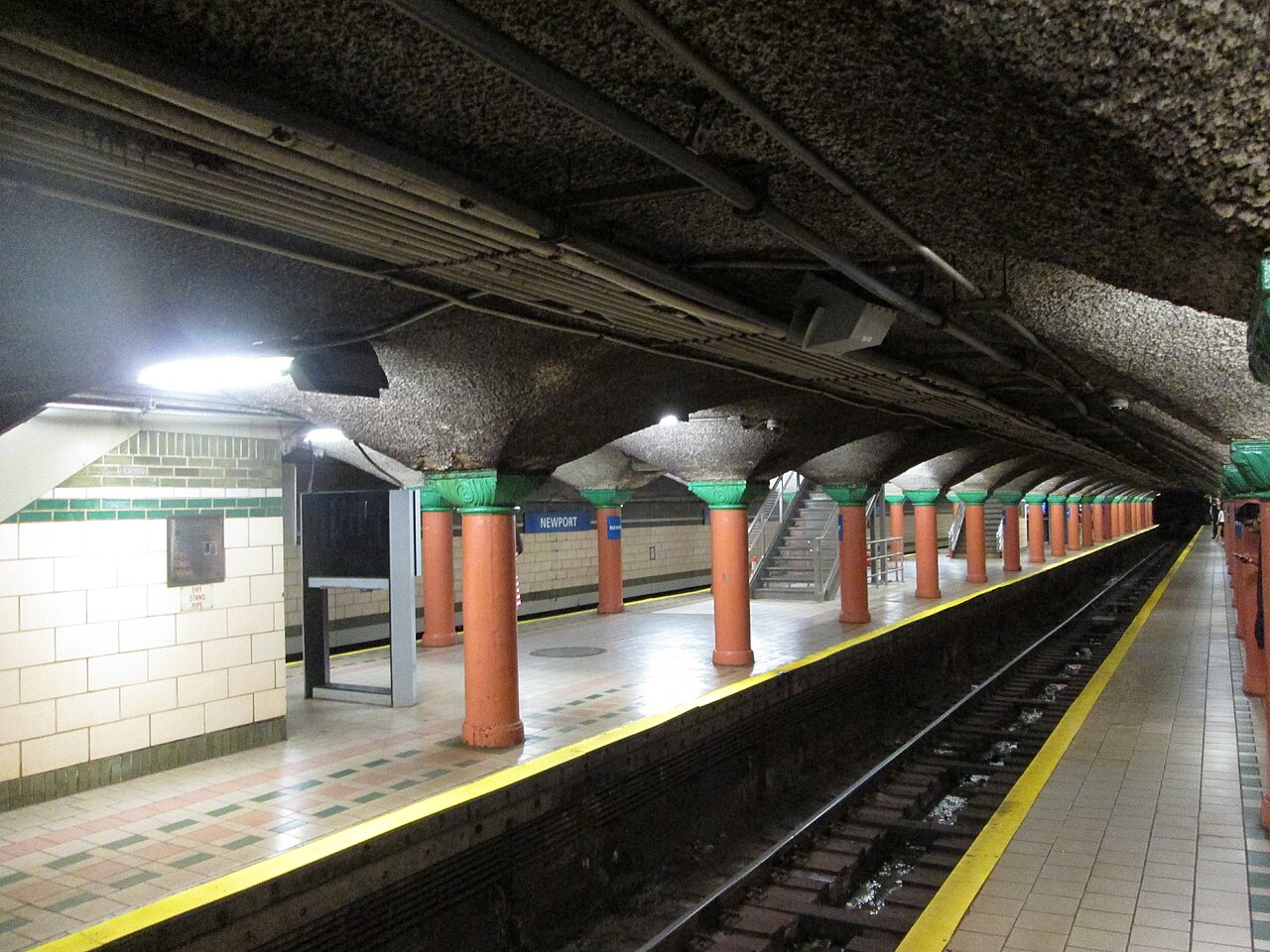 This morning, at approximately 6:19–6:20 a.m., a fire ignited under an eastbound PATH train at the Newport Station in Jersey City. The blaze spewed thick smoke into the train car and station, prompting a rapid evacuation onto the platform. Local fire and PATH crews responded promptly as video footage captured flames shooting from beneath the train and visible panic among passengers trapped by closed doors.
Thirteen people were treated at the scene for smoke inhalation; nine were transported to hospitals for further evaluation . Fortunately, no fatalities have been reported.
Service Impact
Service was suspended for several major PATH lines during the morning rush:
-
Hoboken ↔ World Trade Center
-
Journal Square ↔ 33rd Street
The Hoboken–33rd Street line did resume mid‑morning, with full service on affected routes restored by approximately 11 a.m.
During the suspension, NJ Transit rail & bus services and NY Waterway ferries cross-honored PATH tickets to assist stranded commuters
Why This Incident Matters — A Legal Perspective
1. Duty of Care and Safety Obligations
Train operations are legally bound to a high standard of safety, especially regarding equipment inspections, fire prevention systems, and emergency response protocols. Malfunctioning components or delayed maintenance underlies potential liability.
2. Passenger Evacuation & Emergency Protocol Compliance
Video accounts highlight trapped passengers calling for door release amidst smoke. If evacuation protocols were not followed or delays occurred, operators could be exposed to legal scrutiny.
3. Person Injury Claims
Smoke inhalation can result in conditions such as lung inflammation, respiratory distress, or delayed symptoms. Although hospitalizations were non-fatal, affected individuals may face ongoing injuries or medical expenses.
4. Liability Scope
Liability may involve:
-
Port Authority / PATH operator for system failures
-
Maintenance contractors if faulty components triggered the fire
-
Equipment manufacturers, depending on design defects
Investigations remain open.
What Commuters and Affected Passengers Should Do
If You Were on the Train or Treated for Smoke Inhalation:
-
Seek medical evaluation, especially if symptoms persist or emerge later.
-
Document your experience: names, times, photos/videos of the scene, any correspondence with emergency staff or transit personnel.
-
If you incurred medical costs (hospital visits, tests, prescriptions), keep detailed records.
-
Consider consulting with a train accident attorney to understand legal rights—this includes possible compensation for medical expenses, lost wages, pain and suffering, and more.
At Gair, Gair, Conason, Rubinowitz, Bloom, Hershenhorn, Steigman & Mackauf, our attorneys are highly familiar with the legal complexities of accidents involving the PATH system. We have successfully represented victims of transit negligence, including securing a $20 million settlement for a tourist who fell onto the PATH tracks and suffered catastrophic injuries. Our team has the experience and trial power to investigate these incidents thoroughly and hold negligent parties accountable. If you were injured in today’s PATH train fire or any other transit-related event, contact us to discuss your legal options at 212-943-1090 or fill a form online.
Picture: By Adam Moss from Tonawanda, New York, United States – Pavonia – Newport Station,
