 New York Personal Injury Attorneys Blog
NYC’s New Deliverista Charging Hub: A Real Step Toward Preventing Deadly Apartment Fires


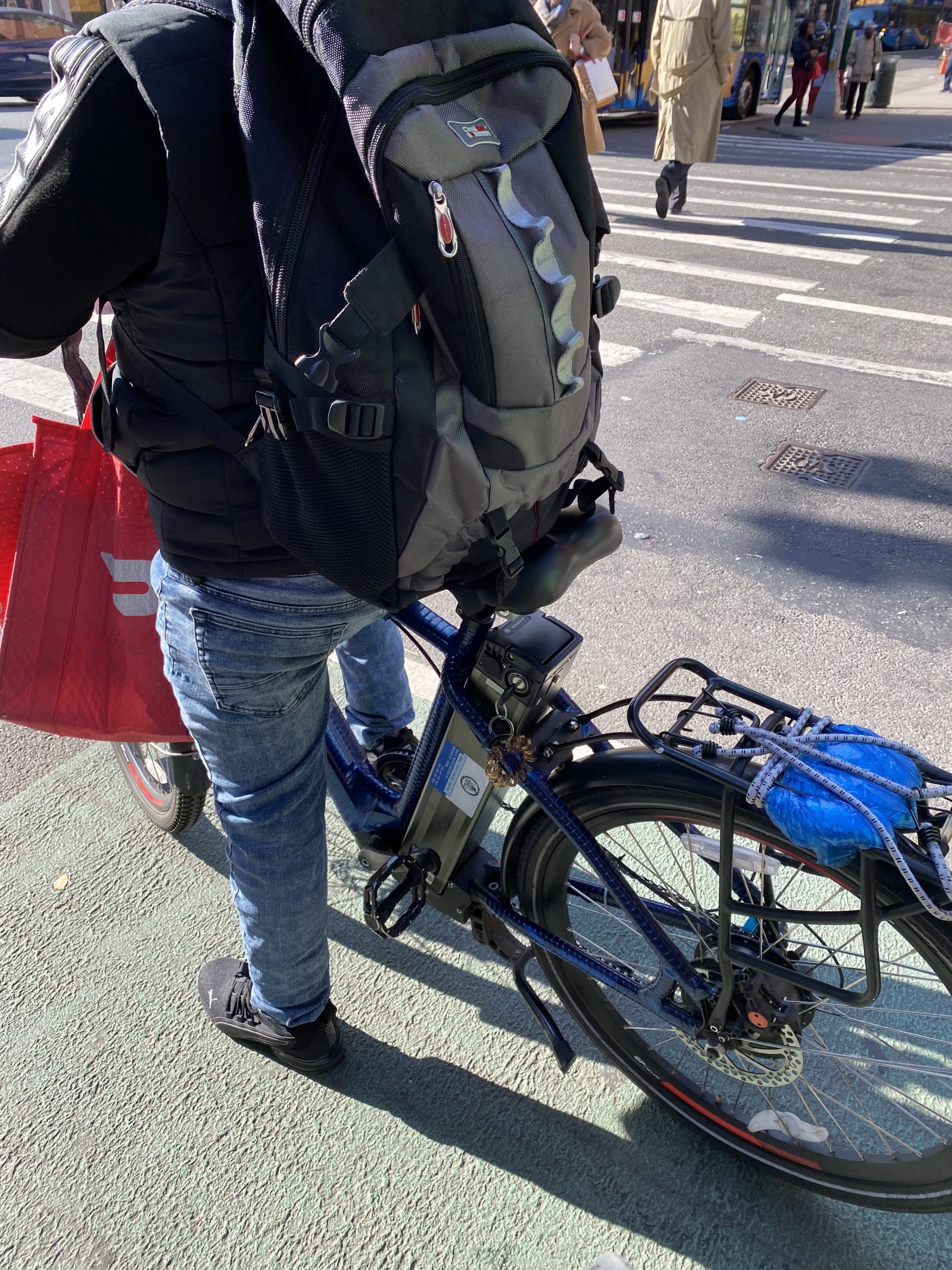 A new piece of infrastructure in Lower Manhattan may quietly become one of the most important fire prevention measures New York City has introduced in years.
In April 2026, the City opened the Deliverista Hub at City Hall Park, a worker-designed facility that gives delivery workers a safe, regulated place to charge lithium-ion batteries. While the project is framed as worker support, its implications go far beyond convenience. It directly addresses one of the fastest-growing causes of catastrophic residential fires across NYC: unsafe indoor battery charging.
Why E-Bike Batteries Have Become a Major Fire Hazard
Lithium-ion batteries power the vast majority of e-bikes and scooters used by NYC’s estimated 80,000 delivery workers. When properly manufactured and charged under controlled conditions, they are generally safe. But in real-world conditions, especially inside crowded apartments, they can become extremely dangerous.
Fires linked to these batteries often occur because of charging multiple batteries simultaneously in small living spaces, use of uncertified or damaged batteries, improper chargers or overcharging, and lack of ventilation and heat buildup.
When a lithium-ion battery fails, it can trigger thermal runaway, leading to fast-moving fires that are difficult to extinguish and often deadly in multi-unit buildings.
How the Deliverista Hub Reduces Fire Risk
The Deliverista Hub is not just a charging station, it is a controlled environment specifically designed to eliminate the risks associated with indoor charging.
Removing charging from apartments is the most important safety benefit. Batteries are no longer being charged inside residential units, meaning fewer batteries are plugged into bedrooms, hallways, or kitchens where fires can spread quickly.
The hub provides 40 secure charging lockers built for battery charging. These systems are designed to prevent overcharging, isolate batteries during charging, reduce heat buildup, and limit fire spread if a failure occurs. This is a significant improvement over improvised home setups.
Workers can swap depleted batteries for charged ones instead of charging overnight in their apartments. This eliminates one of the highest-risk scenarios, which is unattended overnight charging.
On-site staff from the Worker’s Justice Project provide guidance on safe battery handling, recognizing defective batteries, and avoiding unsafe charging practices. Education plays a key role, particularly for workers relying on second-hand equipment.
A Citywide Fire Prevention Strategy in the Making
The City Hall Deliverista Hub is just the beginning.
New York City has already launched additional pilot charging locations, including Cooper Square, Essex Market, and Plaza de las Americas.
The broader plan is to expand to 25 charging hubs by 2027, focusing on high-traffic delivery zones in Manhattan, the Bronx, Brooklyn, and other parts of the city.
As more workers rely on public charging infrastructure, fewer lithium-ion batteries will be charged inside residential buildings, reducing overall fire risk.
Why This Matters for NYC Residents
This initiative directly impacts public safety across the city.
Many of the most serious lithium-ion battery fires in NYC have occurred in small apartments, NYCHA housing, and multi-family buildings with limited escape routes.
By relocating charging activity out of these environments, the city is addressing the root cause rather than responding after fires occur.
The Legal Perspective: A Shift in Risk Allocation
From a liability standpoint, this development may influence future fire-related claims.
As safer alternatives become more widely available, landlords may enforce stricter rules on indoor charging, building owners may face fewer claims tied to battery fires, and questions may arise about whether unsafe charging practices were avoidable.
Access to safe charging infrastructure could become a key factor in determining liability when these fires occur.
The Bottom Line
The Deliverista Hub represents a practical, scalable solution to a growing public safety issue.
By giving workers a safe place to charge their batteries, New York City is reducing the likelihood of devastating apartment fires across the five boroughs.
If expanded effectively, this model could become one of the most impactful fire prevention strategies the city has implemented in decades.
