 New York Personal Injury Attorneys Blog
Understanding New York’s Medical Indemnity Fund Crisis: What Families Need to Know in 2025


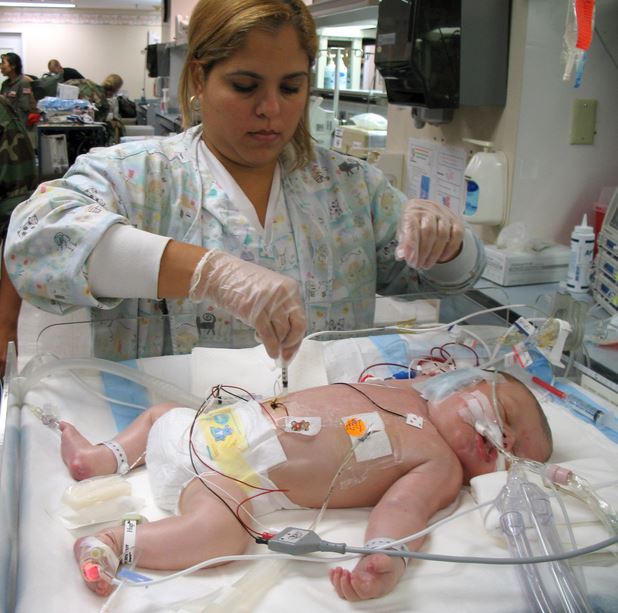 If your child suffered a birth-related neurological injury because of medical negligence, it is critical to speak with an attorney as soon as possible. New York has a unique system for addressing the lifetime medical needs of children harmed during labor and delivery: the Medical Indemnity Fund, commonly known as the MIF. Recent changes in state funding have placed this program under intense scrutiny, and families need to understand how these developments can affect their rights, their care, and their long-term financial security.
What Is the Medical Indemnity Fund?
The Medical Indemnity Fund was created to ensure that infants who sustained birth-related neurological injuries because of malpractice receive the future health-care services they will need throughout their lives. Instead of providing a lump sum for future care in a settlement or verdict, qualified plaintiffs are enrolled in the fund, which then pays for approved medical expenses as they arise.
The MIF covers a wide range of services, including hospital care, therapy, medication, nursing, and durable medical equipment. In theory, it is intended to relieve families of the crushing financial burden of long-term care, while also reducing the exposure of hospitals and physicians in catastrophic birth-injury cases.
A Funding Boost That Still Falls Short
Despite its critical role, the MIF has been under serious financial strain. In prior years, New York allocated roughly $52 million annually to keep the program running. Families reported delays, denials, and sudden wording changes in reimbursement notices that raised concerns about whether the fund would continue to meet its obligations.
In 2025, New York State significantly increased the allocation to approximately $211 million—nearly quadrupling the previous year’s funding. Officials stated that the increase was essential to keep the program open for new applicants and to stabilize ongoing services.
Yet even with this increase, financial experts project that the MIF faces an estimated $3 billion long-term shortfall. Families enrolled in the program have publicly voiced concerns about the sustainability of services, the adequacy of reimbursement rates, and the risk that budget problems could lead to further restrictions or delays in care.
Why This Matters to Families in Birth Injury Cases
For children with permanent neurological injuries, access to uninterrupted medical care is not optional—it is vital. When the MIF functions properly, families may receive essential services for decades. But funding instability introduces significant risks that parents must understand.
These concerns can directly influence the legal strategy in a birth-injury malpractice case. If future care will depend on a state program facing long-term financial pressure, families may need to consider how the uncertainty affects their child’s needs, life-care planning, and settlement expectations. Hospitals and insurance carriers are also paying attention. A strained fund may shape how defendants approach negotiation and how damages related to long-term care are evaluated.
For these reasons, comprehensive legal guidance is essential. Navigating a catastrophic birth-injury case involves far more than proving negligence. It requires a full understanding of lifetime needs, state funding mechanisms, and the shifting landscape of medical reimbursement in New York.
What Families Should Do Now
Any parent who believes their child suffered a preventable birth injury should immediately take the following steps:
• Seek guidance from an experienced New York medical malpractice attorney who understands how the Medical Indemnity Fund works and how recent funding issues may impact your case.
• Preserve medical records, imaging, fetal monitoring strips, and any early neonatal care documentation.
• Obtain evaluations from specialists who can assess the extent of neurological injury and long-term care requirements.
• Ask whether your case may qualify for MIF enrollment and how that might affect both the legal strategy and the support your child receives over time.
A birth-injury lawsuit involving the MIF is highly complex. The legal, medical, and financial components must be thoroughly analyzed to secure the best possible outcome for the child.
How Our Attorneys Can Help
Gair, Gair, Conason, Rubinowitz, Bloom, Hershenhorn, Steigman & Mackauf has decades of experience litigating catastrophic medical malpractice cases and securing some of the highest verdicts and settlements in New York. Our attorneys understand how birth-injury cases intersect with the Medical Indemnity Fund and how to build a case that accounts for both immediate and lifetime needs.
As funding concerns continue and legislative scrutiny increases, families need advocates who can anticipate how these developments may influence negotiations, structured settlements, and long-term care planning.
The recent increase in MIF funding is a welcome step, but it does not resolve the underlying financial crisis facing the program. Families navigating the aftermath of a devastating birth injury deserve clarity, stability, and a legal team capable of protecting their child’s future.
If your child suffered a neurological injury at birth and you have questions about the Medical Indemnity Fund or your legal rights, contact our New York medical malpractice attorneys to discuss your case.
