 New York Personal Injury Attorneys Blog
SUV Driver Recalls Hitting “Something” in Brooklyn Crash That Killed Former Nickelodeon Star Kianna Underwood


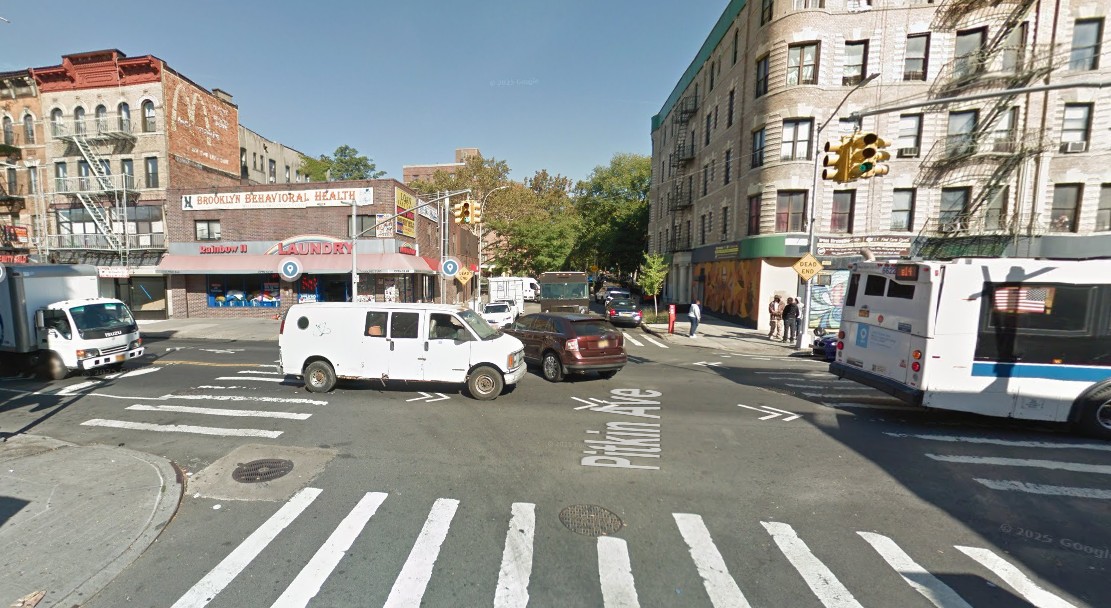 A fatal early-morning crash in Brownsville has raised serious legal and safety questions about driver conduct, hit-and-run responsibility, and how multi-vehicle collisions are investigated in Brooklyn.
Kianna Underwood, a 33-year-old former Nickelodeon child actor, was struck and killed on January 16, 2026, near Pitkin Avenue and Mother Gaston Boulevard. Police say she was first struck by a black Ford Explorer SUV and then run over and dragged more than two blocks by a second vehicle that fled the scene and has not been identified.
From a Brooklyn car accident lawyer’s perspective, this case underscores how quickly catastrophic harm can unfold—and how critical evidence preservation and accountability become when multiple drivers are involved.
What Police Say Happened
According to police and surveillance footage reviewed by investigators, the crash occurred around 6:50 a.m. The Ford Explorer was traveling westbound on Pitkin Avenue and had a green light. Investigators say the SUV crossed the double yellow line to pass another vehicle before striking Underwood in or near the crosswalk at Mother Gaston Boulevard.
Police report that Underwood was crossing against the traffic signal at the time of impact.
After the initial collision, a second vehicle—a black-and-gray sedan—ran over Underwood and dragged her for more than two blocks before her body became dislodged near Pitkin Avenue and Osborn Street. That driver left the scene and has not been located.
Underwood was pronounced dead at the scene.
The SUV Driver’s Statements and Ongoing Investigation
The SUV driver, a 71-year-old Brooklyn resident, later told reporters that he “felt like” he hit something in low-light conditions and pulled over shortly afterward. He has not been charged as of this writing. Police have impounded the SUV and continue to investigate.
From a legal standpoint, it is important to understand that a lack of criminal charges does not determine civil liability. In fatal Brooklyn car accident cases, responsibility is assessed based on negligence—not criminal intent.
Key questions investigators and civil attorneys examine include:
-
Whether the SUV was driven in a reasonable and lawful manner
-
Whether crossing the double yellow line constituted negligent operation
-
Whether speed or visibility played a role
-
Whether the driver complied with post-crash obligations under New York law
New York Vehicle and Traffic Law imposes strict duties on drivers involved in collisions involving injury or death, including remaining at the scene and reporting the incident. The precise timeline of when and how the SUV driver left the immediate area remains a critical factual issue.
The Second Driver and Hit-and-Run Liability
The most legally significant unresolved issue is the unidentified second driver.
Under New York law, leaving the scene of a collision involving serious injury or death is a felony. From a civil perspective, a hit-and-run driver can face substantial financial liability for wrongful death damages, including lost earnings, medical expenses, and conscious pain and suffering.
When a hit-and-run driver is not located, victims’ families may still have legal options, including:
-
Claims against other negligent drivers involved in the chain of events
-
Uninsured or underinsured motorist coverage
-
Claims involving roadway design or traffic control failures, if applicable
Multi-vehicle pedestrian fatalities often require accident reconstruction, video analysis, and forensic vehicle inspections to determine how responsibility is apportioned.
Pedestrian Conduct and Comparative Fault in New York
Police have stated that Underwood was crossing against the light. While that fact is relevant, New York follows a pure comparative negligence system. This means that a pedestrian’s actions do not bar recovery entirely—even if they contributed to the incident.
Instead, liability is apportioned among all responsible parties based on fault percentages. Drivers are still required to exercise due care, particularly in urban corridors like Pitkin Avenue where pedestrian activity is common, even during early morning hours.
Vehicle History and Pattern Evidence
Public records show the Ford Explorer involved had previously accumulated numerous traffic violations, including speeding citations. While prior violations do not establish fault in a specific crash, they can become relevant in civil litigation depending on the circumstances and admissibility rulings.
In serious Brooklyn car accident cases, attorneys often examine vehicle history, driver records, and compliance with traffic laws to identify broader patterns that may support negligence claims.
Why Evidence Preservation Matters Immediately
Cases involving multiple vehicles, surveillance footage, and disputed timelines are highly evidence-sensitive. Video recordings from nearby businesses, buses, traffic cameras, and private residences can be overwritten within days or weeks if not promptly secured.
Vehicle data, including event data recorders (EDRs), braking information, and onboard systems, may also be lost if vehicles are repaired, destroyed, or released without proper legal intervention.
Legal Accountability After a Fatal Brooklyn Crash
This investigation remains active. As police continue searching for the second driver and analyzing evidence, the legal system will evaluate responsibility based on facts—not assumptions, notoriety, or headlines.
Fatal pedestrian crashes in Brooklyn demand careful, independent investigation to ensure accountability and to prevent similar tragedies from recurring.
If a pedestrian or family member is killed in a Brooklyn motor vehicle collision, early legal involvement can be critical to preserving evidence, identifying all responsible parties, and protecting the right to pursue full compensation under New York law. Contact us online or call us at 212-943-1090 for a free consultation with a top Brooklyn car accident attorney.
