 New York Personal Injury Attorneys Blog
Two Seniors Run Over by Rolling Car in Huntington: What Rights Do Injured Passengers Have?


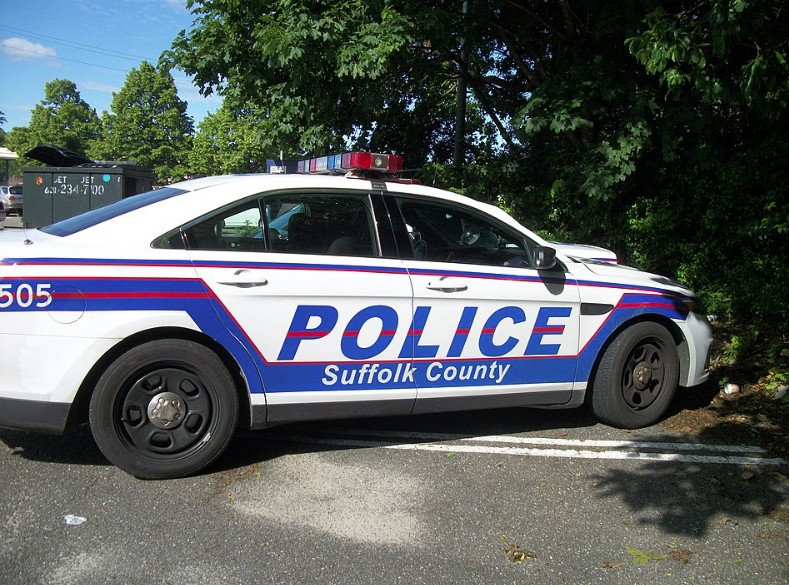 Two 66-year-old women were injured Tuesday afternoon in Huntington, Long Island, NY, when a 2020 Mazda began rolling backward on a sloped driveway. According to Suffolk County Police, the driver was exiting the vehicle when it moved; her arm was run over as she tried to re-enter. The passenger’s leg was also run over while attempting to get out. Both were treated at Huntington Hospital; one injury was described as serious but not life-threatening. Police say the car also rolled through bushes and struck another vehicle. The reason the Mazda moved has not yet been explained.
As New York car accident lawyers, here’s how we analyze an incident like this and the options available to injured passengers.
Key Liability Questions
1) Was the vehicle properly secured?
New York drivers must take reasonable steps to prevent a parked vehicle from moving—e.g., shifting into park, engaging the parking brake, and turning the wheels appropriately on an incline. If a driver fails to secure a vehicle and it rolls, that is classic negligence.
2) Could a mechanical defect be to blame?
If the parking brake, transmission, or electronic systems malfunctioned, the injured parties may have a product liability claim against the manufacturer and potentially a dealership or repair shop (for negligent maintenance/repair). Preserving the vehicle immediately is critical so experts can inspect it.
3) Did any property conditions contribute?
Steep grades, inadequate wheel stops, or unsafe driveway design can raise premises liability issues against a property owner if a dangerous condition contributed to the rollaway.
4) What about the struck vehicle and landscaping?
Owners of damaged property have separate property-damage claims; their photographs and repair estimates can also help reconstruct how the incident unfolded.
Immediate Steps for Injured Passengers
- Get no-fault benefits started.
New York’s no-fault (PIP) coverage typically applies to occupants of the vehicle, regardless of fault, and can cover medical bills and a portion of lost wages (usually up to $50,000 combined). The No-Fault application (NF-2) must be filed within 30 days of the crash—missing this deadline can jeopardize coverage. - Preserve the vehicle and evidence.
Send a litigation hold letter to the vehicle owner and insurer demanding preservation of the Mazda for inspection. Ask that no repairs be performed until your experts examine braking components, transmission/gear selector, electronic parking brake modules, and software logs. Many vehicles store data in an Event Data Recorder (EDR) that may show whether the car was in gear and whether brakes were applied. - Collect key documents.
Obtain the police accident report (MV-104A), photographs of the scene, driveway slope measurements, any available home-security or doorbell-cam footage, and medical records from Huntington Hospital. Witness names and phone numbers matter; rolling incidents often happen fast and neutral witnesses help pin down sequence and timing. - Check for recalls and service history.
Your attorney will review any NHTSA recalls or Technical Service Bulletins for the exact year/model and request dealership service records to see whether parking brake or transmission concerns were documented.
Potential Claims
- Negligence against the driver/owner for failing to secure the vehicle before exiting.
- Product liability (design defect, manufacturing defect, or failure to warn) if a defect caused or contributed to the rollaway.
- Negligent maintenance/repair against a shop or dealership, if applicable.
- Premises liability if driveway design or conditions were unreasonably dangerous.
- Property damage claims by the owner of the struck vehicle and landscaping.
New York’s comparative negligence rules apply—fault can be allocated among multiple parties. Even if the driver made a mistake while trying to re-enter the moving car, a manufacturer defect or unsafe property condition can still share liability.
Pain-and-Suffering vs. No-Fault: Meeting New York’s “Serious Injury” Threshold
Beyond PIP, injured passengers can pursue pain-and-suffering damages if they meet the Insurance Law § 5102(d) “serious injury” threshold (e.g., fracture, significant limitation of use, a qualifying period of disability, etc.). The passenger described as having a “serious” but non-life-threatening leg injury should be carefully evaluated—fractures, ligament tears, and certain surgery-indicating injuries typically qualify.
Deadlines (Statutes of Limitations)
- Negligence / Product Liability: Generally 3 years from the date of the incident.
- Claims against a municipality or public entity: Shorter deadlines may apply (e.g., Notice of Claim within 90 days and a 1 year-and-90-day suit deadline). These may become relevant if a public-entity vehicle or roadway condition were involved.
Because these deadlines vary and evidence can disappear quickly (especially vehicle data), contact counsel immediately to protect your rights.
How We Build These Cases
- Coordinate prompt expert inspections (braking, transmission, and EDR).
- Retain a biomechanical/accident reconstruction expert to analyze grade, roll distance, speed, and occupant kinematics.
- Work with treating physicians to document injuries, causation, and long-term prognosis.
- Pursue all responsible parties and insurance layers to maximize recovery.
Questions We Often Hear
Who pays my medical bills now?
No-fault/PIP from the Mazda typically pays first, up to policy limits, regardless of fault.
Can a passenger sue the driver they rode with?
Yes, if the driver was negligent (e.g., failed to secure the vehicle). Passengers routinely bring claims against the driver’s liability coverage.
What if a defect caused the rollaway?
Your claim may include the automaker and others in the chain of distribution. That makes vehicle preservation vital.
Do I have a case if I tried to jump out and got hurt?
Likely yes. In emergencies, the law doesn’t penalize reasonable split-second decisions to avoid harm. Comparative negligence, if any, simply reduces damages proportionally—it doesn’t eliminate your claim.
Talk to a New York Car Accident Attorney
If you or a loved one was injured in a rollaway incident in Long Island or anywhere in New York, speak with an attorney as soon as possible. We can secure the vehicle, file your no-fault application within 30 days, and begin the investigation before key evidence disappears.
Free consultation: 212-943-1090.
