 New York Personal Injury Attorneys Blog
Why NYC Health + Hospitals Woodhull Received a “D” Safety Grade – and What You Should Know as a Patient


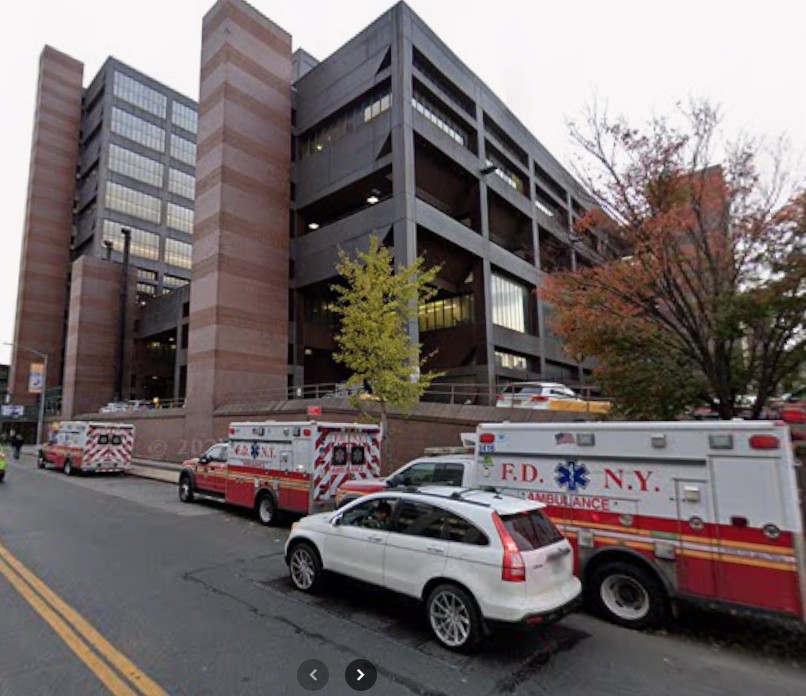 NYC Health + Hospitals Woodhull, located at 760 Broadway in Brooklyn, received a “D” Hospital Safety Grade from The Leapfrog Group based on data submitted June 30, 2025.
A “D” grade does not mean that every aspect of care is unsafe. In fact, Woodhull performs well in several important areas, including medication safety, leadership accountability, and hand hygiene. However, Leapfrog grades are driven by patterns of risk, and Woodhull’s score reflects persistent safety vulnerabilities that patients and families should understand before undergoing treatment—especially for complex or invasive care.
Below is a clear, patient-focused breakdown of what drove the lower grade and what it means in real-world terms.
1. Gaps in Responding to Serious Medical Errors (“Never Events”)
Leapfrog places significant weight on how hospitals respond when a serious, preventable medical error occurs—known as a never event. Woodhull showed limited achievement in this area.
While the hospital reports errors and waives costs related to the event, it fell short in key transparency and accountability steps:
- Patients and families are not consistently interviewed as part of the event analysis.
- Patients are not always informed about what corrective actions were taken to prevent recurrence.
- The hospital does not make its never-events policy readily available to patients and insurers.
Why this matters:
After a serious error, patients need full disclosure and a clear explanation of what went wrong and how it will be prevented in the future. Gaps in communication can delay corrective care, undermine trust, and limit a patient’s ability to make informed decisions.
2. Elevated Rates of Certain Hospital-Acquired Infections
Although Woodhull performs well on some infection measures—such as C. difficile and MRSA—it underperformed in others that strongly affect Leapfrog’s grading:
- Catheter-associated urinary tract infections (CAUTIs):
Standardized Infection Ratio (SIR) of 1.542, meaning significantly more infections than expected. - Central line–associated bloodstream infections:
SIR of 1.158, also above the expected benchmark.
These infections are widely recognized as largely preventable with proper protocols and are a frequent cause of severe complications, sepsis, prolonged hospitalization, and medical malpractice claims.
Why this matters:
Hospital-acquired infections can dramatically worsen outcomes, particularly for elderly patients, surgical patients, and those with compromised immune systems.
3. Informed Consent: Important Details Missing
Woodhull achieved only partial compliance with informed-consent standards. While doctors explain risks and recovery and interpreters are available, Leapfrog found notable shortcomings:
- Consent forms do not consistently list all doctors involved in a procedure.
- Patients are not always informed when trainees or substitute physicians will participate.
- Only some consent forms meet a 6th-grade reading level, which is the recommended standard for patient comprehension.
Why this matters:
Informed consent is not just a signature—it is a patient’s right to understand who is performing the procedure and what risks they are accepting. Missing information can directly affect decision-making and legal rights.
4. Low Surgical Volumes for Certain Complex Procedures
For several complex surgeries, Woodhull does not meet Leapfrog’s minimum volume standards, including:
- Carotid artery surgery
- Rectal cancer surgery
- Lung resections
- Total hip replacements
Low procedural volume is associated with higher surgical complication rates and poorer outcomes, particularly for high-risk operations.
Why this matters:
When hospitals and surgeons perform complex procedures infrequently, there is less opportunity to maintain proficiency and identify complications early.
5. Mixed Results in Maternity and Pediatric Care
Woodhull meets standards in several maternity measures, including episiotomy rates, newborn jaundice screening, and blood-clot prevention. However:
- The hospital had limited achievement for outcomes involving very low birth-weight infants.
- Pediatric CT scans of the abdomen and pelvis exceeded recommended radiation benchmarks.
Why this matters:
Pregnant patients and families with children should be aware of outcome trends and ask detailed questions about experience levels and safety protocols.
What Patients Should Do Before Receiving Care
If you or a loved one are considering treatment at NYC Health + Hospitals Woodhull:
- Ask specific questions about infection-prevention protocols.
- Request a clear explanation of who will be involved in any procedure, including trainees.
- Confirm whether the hospital has recent experience with the exact surgery being recommended.
- If complications arise, document everything and request full disclosure in writing.
When Safety Concerns Lead to Harm
A lower hospital safety grade does not automatically mean negligence occurred—but when preventable infections, surgical complications, or communication failures result in serious injury, patients may have legal rights.
If you believe substandard care contributed to harm NYC Health + Hospitals Woodhull, consulting an experienced Brooklyn medical malpractice lawyers can help determine whether accepted safety standards were violated and whether a claim should be pursued.
This article is part of an ongoing series examining New York City hospitals evaluated by The Leapfrog Group’s Hospital Safety Grade program, including facilities that receive failing or near-failing grades, to help patients make informed decisions about their care.
