 New York Personal Injury Attorneys Blog
Brooklyn Hit-and-Run Accident on Linden Boulevard Highlights Ongoing Pedestrian Safety Failures


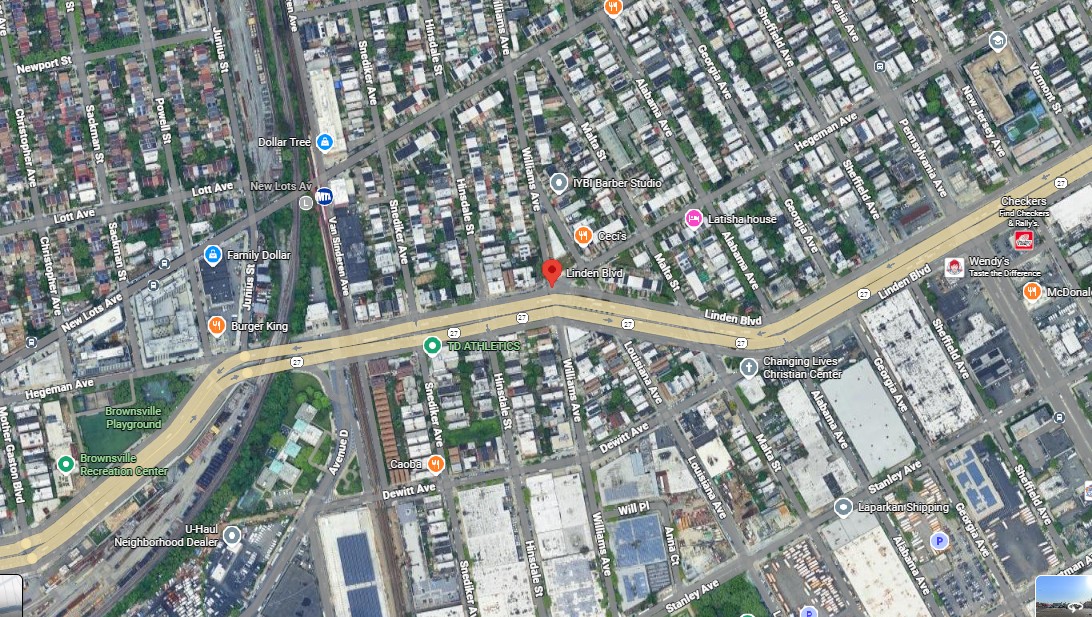 A fatal hit-and-run on Linden Boulevard in East New York underscores the persistent dangers pedestrians face on Brooklyn’s widest and fastest corridors. Just after midnight on New Year’s Day, a 68-year-old Brooklyn resident was struck while crossing near Linden Boulevard and Ashford Street. The driver stopped briefly, then fled. The victim was transported to Brookdale University Hospital, where he died hours later.
According to court records, the vehicle involved—a Mercury Grand Marquis with Pennsylvania plates—hit the pedestrian at approximately 12:55 a.m. Police later arrested a 70-year-old local resident, who admitted he fled because he “got scared.” He has been charged with leaving the scene of a fatal accident and released pending further court proceedings.
A Known Dangerous Stretch of Roadway
Residents have long warned that this section of Linden Boulevard invites excessive speed and inattentive driving. Multiple wide travel lanes, long crossing distances, and late-night traffic patterns create a high-risk environment—particularly after dark. Even where pedestrian behavior is scrutinized, New York law still imposes clear duties on drivers to operate with due care, avoid collisions, and remain at the scene when a crash occurs.
Hit-and-Run Liability Is Not Excused by Fear
Fleeing a crash scene compounds the harm. Under New York Vehicle and Traffic Law, leaving the scene of an accident involving serious injury or death is a felony. Beyond criminal exposure, hit-and-run drivers face significant civil liability. Evidence such as vehicle damage, surveillance footage, license-plate readers, cell-phone records, and witness statements can establish responsibility even when a driver initially escapes.
When a Pedestrian Is Alleged to Be “Against the Signal”
Police indicated the pedestrian was crossing against the signal. That allegation does not automatically bar recovery. New York follows comparative negligence, meaning responsibility can be apportioned. Speed, failure to yield, poor lighting, roadway design, and driver distraction are all factors that may still support a civil claim for a pedestrian accident.
What Families Should Know After a Fatal Hit-and-Run
- Preserve evidence immediately: Request nearby video, 911 audio, and traffic data.
- Investigate roadway design: Long crossings and excessive lane widths can contribute to crashes.
- Pursue all coverage: Auto liability, SUM/UM policies, and potential municipal claims may apply.
- Act quickly: Strict notice and limitation periods can affect wrongful-death and negligence claims.
A Preventable Pattern
This tragedy reflects a broader pattern on Brooklyn arterials where speed and design overwhelm pedestrian safety. Until meaningful traffic-calming measures—lane reductions, improved lighting, shorter crossings, and enforcement—are implemented, similar crashes will continue.
A Brooklyn car accident lawyer with deep experience in hit-and-run and pedestrian cases evaluates not only driver conduct, but also the roadway conditions that make these crashes foreseeable—and preventable.
picture courtesy of Google Map
