Personal Injury Prevention: “Be Smart with Sharps” and learn how to safely discard needles and other sharps at home, at work, at school or while traveling
Every year 850,000 people are injured by needles or other sharp medical devices that have not been discarded properly. Sharps is the medical term for any device with a sharp point that can puncture or cut the skin for example, needles, syringes, lancets, auto injectors, infusion sets or connection needles.
An estimated 9 million patients in the US have medical conditions such as diabetes, allergies, arthritis, cancer, hepatitis or AIDS and use sharps at home, at work, at school and also while traveling. These patients and their caregivers need to properly discard needles and other sharp devices to protect others from injuries and infections spreading such as Hepatitis B, Hepatitis C and HIV.
The FDA estimates that 7 billion sharps are loosely discarded yearly in regular trash instead of being safely discarded in a dedicated container.
New York Personal Injury Attorneys Blog


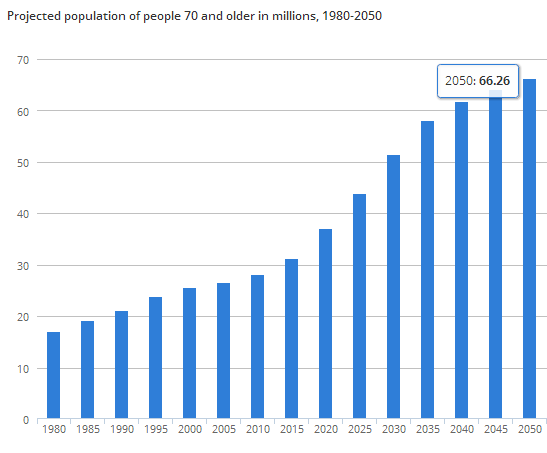
Every year in NYC more than 45,000 seniors suffer personal injury that requires medical treatment after a fall. Around 28,000 of them visit the Emergency Room, 17,000 are hospitalized and 300 die from their injuries. As the New York aging population continues to grow so do the number of personal injuries related to falls. In the report Falls Among Older Adults in New York City, The New York Department of Health indicates that there was an increase of 22% of fall related emergency department visits by seniors between 2006 and 2010. 
When the power goes down, portable generators are very handy products but they are deadly if not used properly. Carbon monoxide poisoning from the the toxic engine exhaust can happen in minutes if a generator is used indoors! From 1999 to 2012, the Consumer Product Safety Commission received 547 reports of Carbon Monoxide Exposure incidents associated with portable generators. 732 people died as a result of these incidents (see
Severe
Little is known so far about the risk of personal injury for astronauts who are participating in long-duration and exploration space flight.
A 16 month-old child