 New York Personal Injury Attorneys Blog
MTA Work Zone Speed Cameras Now Issuing Fines: What the New Enforcement Means for New York Accident Liability?


Beginning September 22, 2026, motorists who speed through active construction zones on MTA bridges a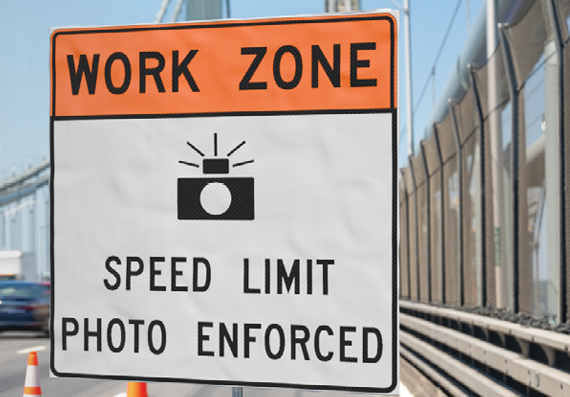 nd tunnels can face automated fines under New York’s expanded Automated Work Zone Speed Enforcement Program.
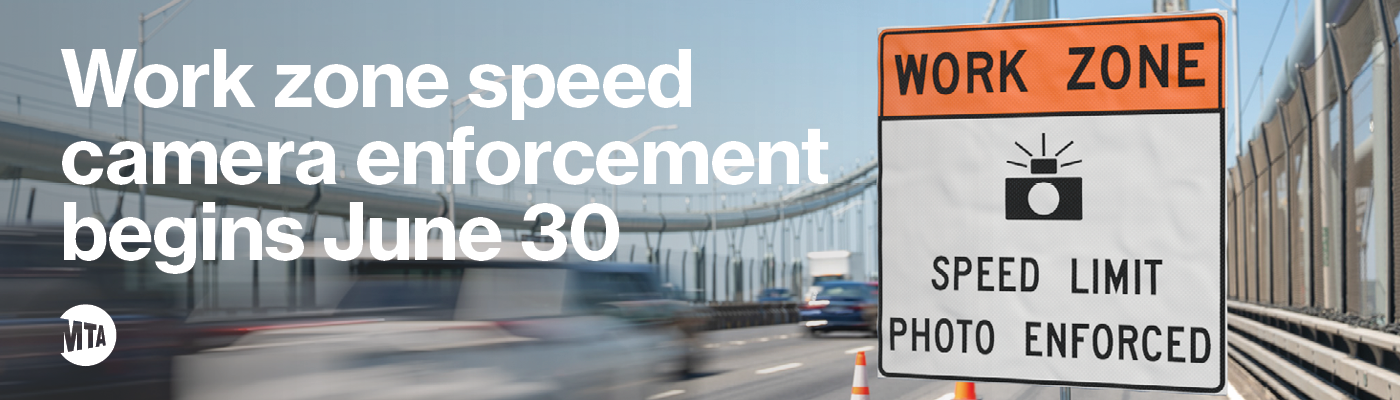
The Metropolitan Transportation Authority began operating work-zone speed cameras at its bridges and tunnels earlier this summer, initially issuing warnings. Drivers are now subject to fines when a vehicle is recorded traveling more than 10 miles per hour above the posted speed limit in an active work zone.
The enforcement program covers construction and maintenance zones at MTA Bridges and Tunnels facilities, including the Verrazzano-Narrows Bridge, Robert F. Kennedy Bridge, Bronx-Whitestone Bridge, Throgs Neck Bridge, Queens Midtown Tunnel and Hugh L. Carey Tunnel, among others.
While the new fines are intended primarily to deter dangerous driving and protect road workers, the program also highlights a broader legal issue: excessive speed in a work zone can have serious consequences when it results in a collision and injury.
New York Law Now Allows Automated Enforcement at MTA Work Zones
New York Vehicle and Traffic Law § 1180-e authorizes automated speed enforcement in qualifying highway construction and maintenance zones, including facilities operated by the Triborough Bridge and Tunnel Authority, which operates MTA Bridges and Tunnels.
Under the statute, the registered owner of a vehicle may be held financially responsible when the vehicle is recorded traveling more than 10 miles per hour above the posted speed limit in an active work zone.
The penalties are:
- $50 for a first violation;
- $75 for a second violation within 18 months; and
- $100 for a third or subsequent violation within 18 months.
Additional penalties may apply when a vehicle owner fails to respond to a notice of liability.
Importantly, these automated violations are treated differently from a traditional speeding ticket issued directly to a driver. Under the statute, liability is imposed on the vehicle owner, and the violation is not treated as a conviction of the driver, does not become part of the person’s driving record, and cannot be used for motor vehicle insurance purposes.
A Camera Fine and Civil Liability After a Crash Are Different Issues
Receiving a work-zone camera violation does not itself determine who is legally responsible for an accident.
If a speeding vehicle causes a collision, however, the circumstances surrounding the driver’s speed may become part of a separate negligence investigation.
In their case investigation, personal injury attorneys may examine evidence such as:
- the posted speed limit;
- whether a reduced work-zone speed limit was in effect;
- vehicle speeds immediately before impact;
- surveillance or construction-site video;
- vehicle event data;
- witness testimony;
- police reports;
- roadway and lane configurations;
- construction signage and traffic-control devices; and
- records relating to the work-zone enforcement system.
New York’s automated enforcement law specifically requires photographs or other recorded images supporting a violation and provides that a properly certified record based on those images constitutes prima facie evidence of the facts contained in the certification for purposes of adjudicating the automated violation.
Whether camera records or related evidence may be relevant or admissible in a separate personal injury lawsuit will depend on the circumstances of the case and applicable evidentiary rules.
Why Speeding in a Work Zone Can Be Particularly Dangerous
Construction zones frequently present conditions that require drivers to exercise additional caution. Lanes may narrow or shift, shoulders may disappear, workers may be positioned close to moving traffic, and vehicles may have less room to take evasive action.
Those conditions can make excessive speed especially dangerous.
The MTA reported that during the warning phase of its new program, tens of thousands of vehicles were recorded traveling more than 10 mph above the posted limit in work zones. In some cases, vehicles were reportedly traveling at extraordinarily high speeds.
New York expanded its automated work-zone enforcement program after initially introducing the system on state highways. The program now includes MTA Bridges and Tunnels and New York State Bridge Authority facilities, and the state has also expanded the number and types of work zones in which automated enforcement may be used.
Who May Be Liable When a Work-Zone Crash Occurs?
When a serious accident occurs in or near a construction zone, determining liability can require considerably more than establishing whether one driver was speeding.
Depending on the facts, an investigation may examine the conduct of:
- the driver or drivers involved in the collision;
- vehicle owners;
- commercial trucking or transportation companies;
- contractors and subcontractors;
- entities responsible for traffic control;
- governmental or transportation authorities; and
- other parties responsible for roadway or construction-site safety.
For example, a crash may involve allegations that a driver entered a work zone at an unsafe speed while separate questions arise concerning inadequate signage, lane configuration, construction vehicles, barriers or other traffic-control conditions.
Claims involving governmental transportation entities may also be subject to special procedural requirements and significantly shorter notice deadlines than ordinary negligence lawsuits. For that reason, evidence preservation and early investigation can be particularly important after a serious accident involving an MTA facility or other public roadway.
Automated Enforcement Reflects a Larger Work-Zone Safety Problem
The purpose of the camera program is not simply to generate speeding tickets. New York describes the Automated Work Zone Speed Enforcement Program as a safety initiative intended to change driver behavior and reduce collisions involving both highway workers and motorists.
That distinction matters.
A driver traveling through an active construction area may be only feet away from workers, temporary barriers, construction equipment and vehicles moving into or out of closed lanes. Even a relatively small increase in speed can reduce the time available to react when traffic patterns suddenly change.
For motorists, the practical message is straightforward: posted work-zone speed limits should be treated as safety requirements, not simply as enforcement thresholds.
For people injured in a work-zone collision, determining what happened may require obtaining and preserving multiple sources of evidence before they disappear.
Gair, Gair, Conason, Rubinowitz, Bloom, Hershenhorn, Steigman & Mackauf represents people seriously injured in motor vehicle, and construction accidents throughout New York. When a serious collision occurs in a highway, bridge or tunnel work zone, our attorneys investigate the actions of all potentially responsible parties and the circumstances that contributed to the accident.
If you or a family member has been seriously injured in a New York work-zone accident, call 212-943-1090 or contact us online to discuss your legal options.
