 New York Personal Injury Attorneys Blog
NYPD Sergeant Charged With Aggravated Vehicular Homicide After Alleged Wrong-Way DWI Crash on the Taconic State Parkway


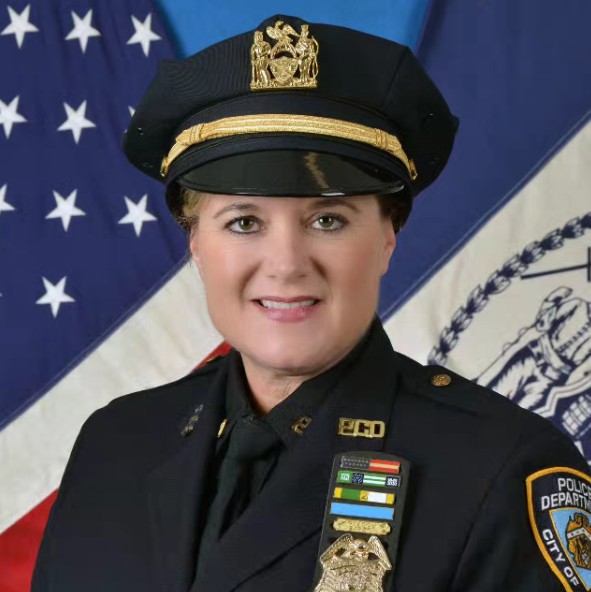 A fatal wrong-way crash on the Taconic State Parkway in Mount Pleasant has led to the arrest of an off-duty NYPD sergeant on aggravated vehicular homicide charges. According to published reports, Sgt. Tiffany Howell was allegedly driving south in the northbound lanes at approximately 11:40 p.m. when her 2021 Infiniti struck a 2024 Toyota operated by 61-year-old Manuel Boitel.
Investigators determined that Howell’s blood alcohol content was allegedly .26 — more than three times New York’s legal limit of .08. She was arraigned in Westchester Supreme Court and released on $500,000 bond.
Boitel, who was returning home from work as a Manhattan doorman, was transported to Westchester Medical Center, where he was pronounced deceased.
While the criminal case will proceed through the courts, families should understand that criminal prosecution and civil liability are two entirely separate legal matters.
Criminal Charges Do Not Replace a Civil Wrongful Death Lawsuit
An arrest for aggravated vehicular homicide addresses the State’s interest in punishment. It does not compensate the victim’s family.
Under New York law, the family of a person killed by a drunk or reckless driver may bring a wrongful death action seeking financial recovery for:
- Funeral and burial expenses
- Lost income and future financial support
- Loss of services and household contributions
- Medical expenses incurred before death
- Conscious pain and suffering (if provable)
In catastrophic drunk-driving cases — particularly wrong-way collisions — civil juries may consider the egregious nature of the conduct when evaluating damages.
Civil Liability in Wrong-Way DWI Crashes
Driving the wrong direction on a parkway combined with alleged intoxication at .26 BAC presents strong evidence of negligence and potentially recklessness. In civil court, liability may be established through:
- Police crash reports
- Toxicology findings
- Event data recorder (black box) evidence
- Witness testimony
- Surveillance or traffic camera footage
Even when a defendant faces criminal charges, the burden of proof in civil court is lower. A family may pursue a claim regardless of the outcome of the criminal proceeding.
When the Defendant Is a Law Enforcement Officer
Although the crash occurred off duty and outside New York City, these cases often raise additional legal and insurance questions, including:
- Available auto liability coverage
- Personal umbrella policies
- Potential dram shop liability (if alcohol was overserved at a commercial establishment)
- Venue considerations in multi-county litigation
Every case requires immediate investigation to preserve evidence.
Immediate Legal Action Is Critical
In any fatal car accident — especially those involving intoxication — early action matters. Evidence can disappear. Vehicles are repaired or destroyed. Electronic data may be lost. Witness memories fade.
If the collision involves a municipality or public entity, strict notice requirements may apply. In many cases involving public agencies, a Notice of Claim must be filed within 90 days. Failing to act quickly can permanently bar recovery.
Protecting Families After Fatal Drunk-Driving Crashes
Head-on crashes are among the most violent and preventable roadway tragedies. When alcohol, excessive speed, or reckless conduct is involved, civil accountability is essential.
Families navigating the aftermath of a fatal crash should consult a New York car accident attorney immediately to evaluate their rights, preserve evidence, and pursue the full measure of compensation available under the law.
For a confidential consultation, contact a New York car accident attorney at 212-943-1090 or contact us online.
Picture source: courtesy of NYPD/Instagram
