 New York Personal Injury Attorneys Blog
Articles Tagged with building collapse lawyers

Three Injured in Queens Facade Collapse: Building Owner Cited for Failure to Maintain Property


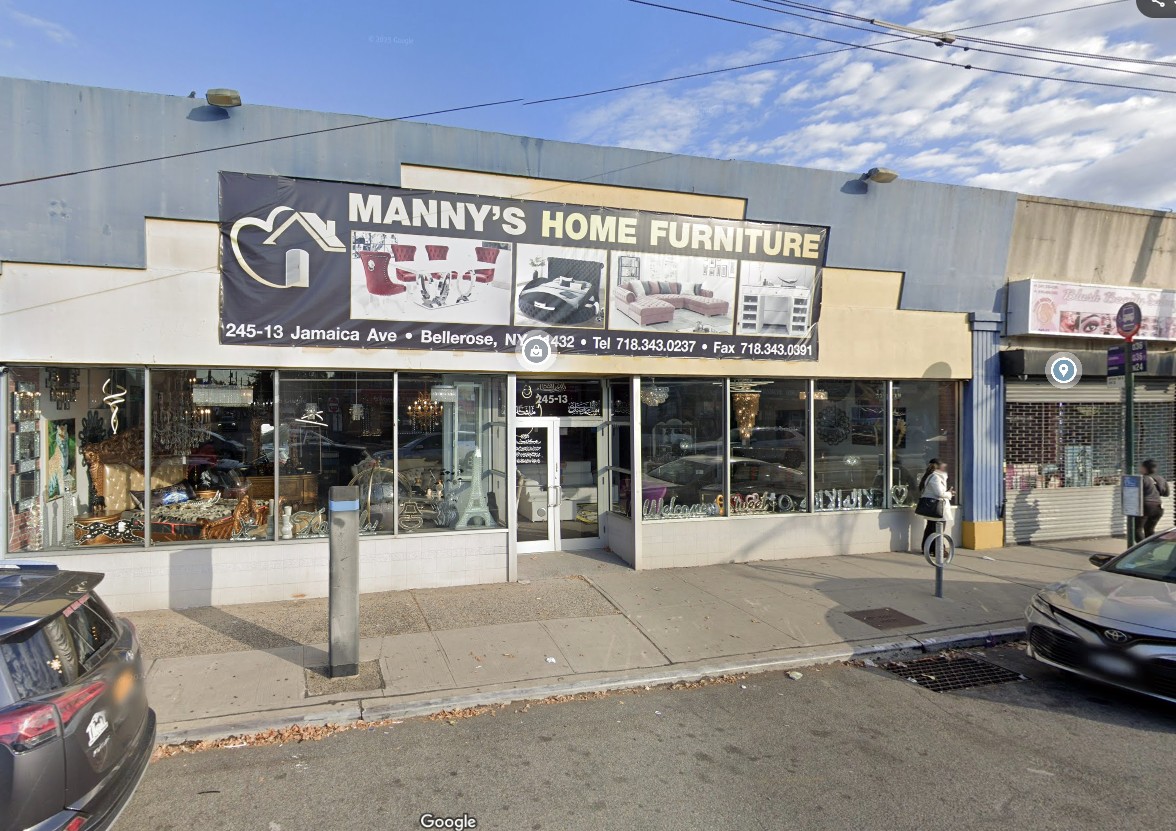 Three people, including two young girls, were injured last week, when a large section of a building facade collapsed onto the sidewalk and parked cars outside a furniture store in the Bellerose section of Queens. The parapet wall—approximately 175 linear feet—suddenly gave way, prompting emergency response teams and an investigation by the New York City Department of Buildings (DOB).
At Gair, Gair, Conason, Rubinowitz, Bloom, Hershenhorn, Steigman & Mackauf, our Queens personal injury lawyers are closely monitoring developments in this case. When building owners fail to maintain their properties, the consequences can be catastrophic. Tragically, this is not the first time innocent pedestrians have been harmed due to neglected structural hazards.
DOB inspectors issued an OATH/ECB violation to the building owner for “failure to maintain the building.” While the exact cause of the collapse is still under investigation, a prior complaint filed in June alleged the building was not up to code and had holes in the ceiling and floor. A contractor familiar with the structure noted that the parapet had rusted metal beams and may have required more extensive repairs than had been performed.
When Natural Forces Collide With Infrastructure: Yonkers Building Collapse Highlights Risks for Businesses Near Rock Outcroppings
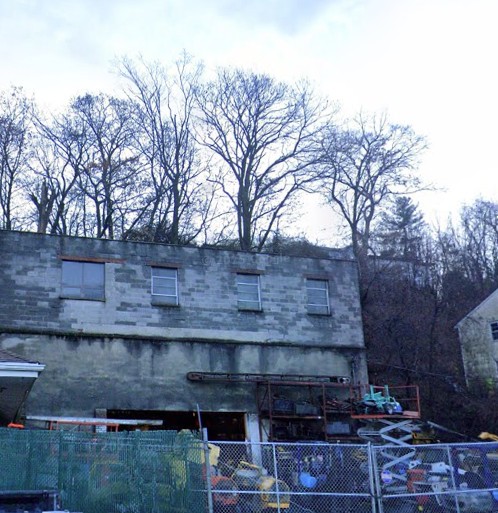 Last night in Yonkers, New York, a massive boulder dislodged from a hillside and crashed into a two-story commercial building on Saw Mill River Road, causing a structural collapse and fuel spill. Fortunately, no injuries were reported, but the damage underscores the real and often overlooked dangers of placing buildings in close proximity to unstable terrain. As New York building collapse attorneys, we’re paying close attention to the implications.
The Collapse: What Happened?
The building, owned by Peterson Tool Rental—a trusted local business since 1953—was used to store heavy construction equipment such as Bobcats. Around 7 a.m. on Monday, first responders discovered that the southern portion of the building had completely collapsed after a boulder tore through the rear wall overnight. Officials suspect recent rainstorms loosened the hillside, dislodging the boulder embedded in the slope above the property.
Proactive Inspections for Aging Buildings: A New Dawn for NYC’s Safety
 In a monumental move to safeguard New York City’s residents, the City Council has passed a bill mandating proactive inspections for residential buildings based on their structural risks. As building collapse attorneys in New York City, this development is not only welcome but long overdue. The city’s new initiative promises to prevent tragedies by identifying potential hazards before they become catastrophic failures.
A Shift from Reactive to Proactive
Historically, New York City’s approach to building safety has been largely reactive, relying on complaints and reports of visible damage before taking action. This method has proven insufficient, as evidenced by recent incidents of structural collapses that have caused significant disruption and loss.
The Importance of Rigorous Building Inspections: Insights from our NYC Building Collapse Attorneys
 As building collapse attorneys based in New York City, we are deeply concerned about the recent findings concerning the parking garage collapse in Lower Manhattan. More than a year has passed since this tragic event, and the root cause remains undetermined, highlighting significant gaps in our city’s approach to building safety and regulation.
The recent declaration by the Department of Buildings (DOB) that the Ann Street parking garage did not fail due to overloading is a critical piece of information. It suggests that other factors, possibly related to the structural integrity of the building itself, might have led to the collapse. Notably, University of Arizona engineering professor Sammy Tin speculated that the garage’s condition at the time of collapse might have been a contributing factor, despite the walls and pillars appearing pristine and undamaged.
It’s alarming to learn that prior to the collapse, there were open violations dating back to 2003 and 2009 for issues such as loose or missing concrete. These findings were brought to light almost immediately after the collapse by investigative journalists. This raises significant concerns about the enforcement of building codes and the efficacy of the inspections process in New York City.
