 New York Personal Injury Attorneys Blog
Why NYC Health and Hospitals Kings County Received a D Grade From The Leapfrog Group


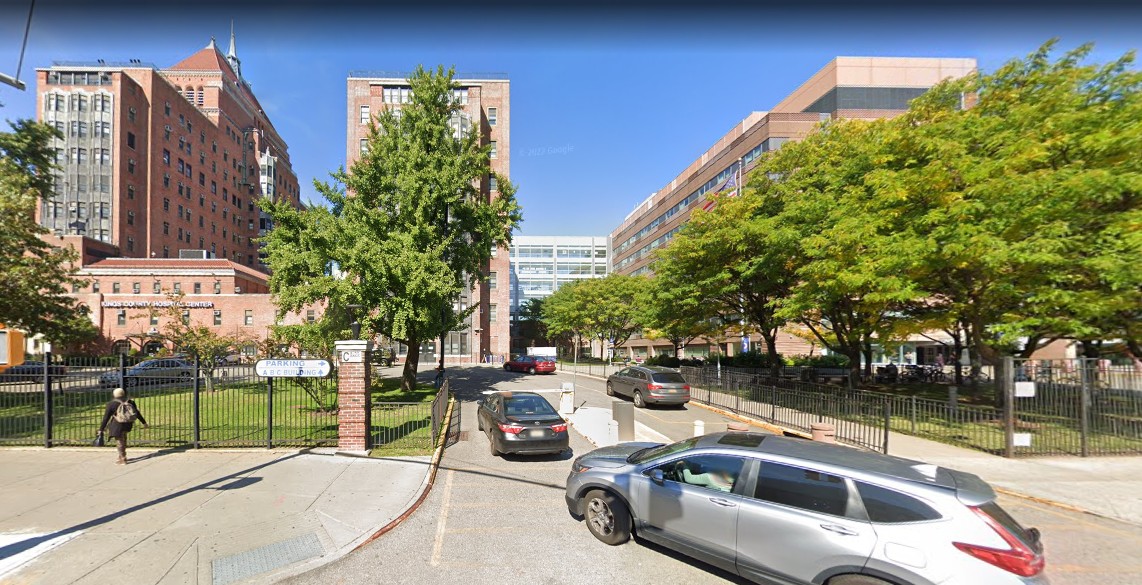 An analysis from our Brooklyn medical malpractice lawyers
Leapfrog hospital safety grades are designed to give patients and families a clear, data-driven picture of how safely a hospital delivers care. Despite some areas of strong performance, received a D grade, reflecting systemic safety concerns that directly intersect with the types of cases Brooklyn medical malpractice lawyers routinely investigate.
Below is a clear breakdown of why this hospital scored poorly—and what it can mean for patients.
The Core Issue: Inconsistency in High-Risk Areas of Care
Leapfrog grades are not based on bedside manners or patient volume. They focus on preventable harm, staffing adequacy, surgical safety, and outcomes in complex care. At Kings County, the data reveals a troubling pattern:
Strong policies on paper, but uneven execution in the areas where errors cause the most severe injuries.
1. Informed Consent: A Partial Failure With Serious Legal Consequences
Kings County showed only “Some Achievement” in informed consent—an area that frequently underpins medical malpractice claims.
Key red flags include:
- Consent forms do not consistently list all physicians involved in a procedure
- Patients are not reliably informed when trainees participate in their care
- Consent documents are not uniformly written at a 6th-grade reading level
From a legal perspective, these gaps matter. When patients are not fully informed who will perform a procedure—or what risks they face—consent may be legally defective, even if the procedure itself was technically competent.
2. Nursing Staffing Levels: A Known Driver of Preventable Harm
Leapfrog data shows Kings County achieved only “Some Achievement” in both:
- Total nursing hours per patient day (7.26)
- Registered nurse (RN) hours per patient day (4.68)
Understaffing is strongly linked to:
- Missed symptoms
- Delayed interventions
- Medication errors
- Falls and pressure injuries
In Brooklyn malpractice cases, inadequate nursing coverage is one of the most common underlying causes of catastrophic injury—especially in medical-surgical and med-surg units.
3. Surgical Safety: Low-Volume, High-Risk Procedures
One of the most significant contributors to the D grade is Kings County’s limited performance in complex adult surgeries.
Examples include:
- Carotid artery surgery: 1 procedure annually (Leapfrog standard: 20)
- Lung cancer resections: 1 procedure (standard: 40)
- Pancreatic cancer surgery: 3 procedures (standard: 20)
- Rectal cancer surgery: 2 procedures (standard: 16)
Why this matters:
Low surgical volume is directly correlated with higher surgical complication rates, increased mortality, and worse long-term outcomes. Leapfrog penalizes hospitals that allow surgeons to perform complex procedures without meeting minimum experience thresholds—and rightly so.
4. Post-Surgical Infections: A Critical Outlier
While many infection measures met expectations, one stood out sharply:
- Surgical site infections after colon surgery
Standardized Infection Ratio (SIR): 2.342
That means patients experienced more than double the expected infection rate—a major safety failure. Post-operative infections are often preventable and can lead to:
- Sepsis
- Repeat surgeries
- Permanent organ damage
- Death
These are exactly the outcomes that give rise to high-value malpractice litigation.
5. Pediatric Experience: Missing Data Is a Red Flag
Leapfrog was unable to calculate Kings County’s score for:
- Pediatric communication
- Safety and comfort
- Parent experience measures
In safety scoring, missing or unreportable data is itself a concern, especially in a hospital that treats vulnerable pediatric populations.
Why This Matters for Brooklyn Patients
A D grade does not mean every patient will be harmed. But it does mean:
- Safety systems are inconsistent
- Certain departments operate below national benchmarks
- Preventable medical errors are more likely
When those failures result in injury or death, patients and families have the right to seek accountability.
When a Hospital Safety Failure Becomes Medical Malpractice
Medical malpractice cases often arise from the same factors reflected in Leapfrog’s scoring:
- Inadequate staffing
- Poor surgical oversight
- Defective informed consent
- Preventable infections
- Systemic breakdowns, not isolated mistakes
Brooklyn patients treated at Kings County who suffer unexpected complications, worsening conditions, or unexplained outcomes should have their case reviewed by experienced medical malpractice counsel.
Speak With our Brooklyn Medical Malpractice Lawyers
If you or a loved one was injured while receiving care at a Brooklyn hospital—and the outcome does not make sense—legal review is critical. Medical records, staffing data, and safety benchmarks like Leapfrog scores often tell a far clearer story than discharge summaries.
An experienced Brooklyn medical malpractice lawyer can determine whether a preventable safety failure played a role—and whether compensation may be available under New York law. Contact us at 212-943-1090 for a free consultation.
