 New York Personal Injury Attorneys Blog
Published on:
Manhattan Excavation Rescue Highlights Strict Liability and Safety Mandates for Deep Underground Worksites


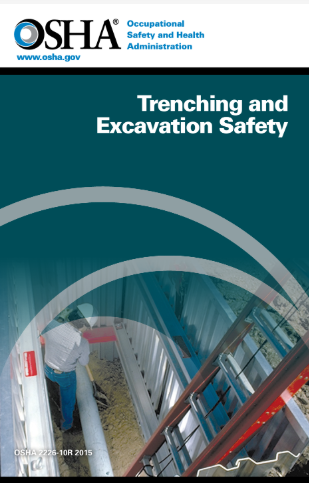 Yesterday afternoon’s emergency rescue of a construction worker who suffered a seizure 70 feet underground on Manhattan’s Upper East Side underscores a critical issue under New York construction law: property owners and general contractors bear strict, non-delegable legal duties to protect laborers working in deep subterranean excavations.
While officials have not yet determined whether environmental conditions at the East 67th Street and York Avenue site triggered the worker’s seizure, any medical emergency or injury seven stories below grade immediately triggers scrutiny under New York Labor Law § 241(6), New York Industrial Code Rule 23, and federal OSHA Excavation Standards.
Statutory Duties on Deep Excavation Sites
Under New York law, general contractors and site owners cannot delegate away their responsibility to maintain safe atmospheric and physical conditions in deep foundation pits. When a worker is stationed 70 feet below street level, specific statutory protections govern the worksite:
-
- Atmospheric Monitoring and Ventilation (12 NYCRR § 23-1.7(g) & 29 CFR § 1926.651(g)). New York Industrial Code Rule 23 and OSHA regulations strictly mandate that excavations deeper than four feet, or any enclosed subterranean work area where hazardous atmospheres may exist, must be tested for oxygen deficiency and toxic gases before entry and continuously monitored during work. Heavy gases like carbon monoxide and hydrogen sulfide sink in deep pits, creating an invisible risk of hypoxia and neurotoxic exposure that can provoke acute seizures even in healthy workers.
- Emergency Extraction and Rescue Readiness (29 CFR § 1926.651(g)(2)). Contractors are legally required to have emergency rescue equipment, such as breathing apparatus, safety harnesses, and rapid vertical extraction systems, readily available on-site whenever hazardous atmospheric conditions exist or could reasonably develop. When a worker suffers a medical emergency seven stories underground, any delay caused by inadequate extraction planning can turn a treatable event into a catastrophic injury.
- Protection Against Elevation-Related Hazards (New York Labor Law § 240(1)). Working in and hoisting personnel or materials out of a 70-foot excavation shaft involves grave elevation-related risks. New York’s Scaffold Law imposes absolute liability on owners and contractors if inadequate hoisting equipment, rigging failures, or defective access systems cause or worsen a worker’s injury during excavation operations or emergency extraction.
Why Immediate Legal Investigation Matters
In deep excavation incidents, critical evidence is often altered or erased within hours. Air-monitoring logs, ventilation maintenance records, daily safety inspection sheets, and site-specific emergency action plans are controlled by the general contractor and subcontractors.
When a worker experiences a seizure, loss of consciousness, or sudden trauma underground, determining liability requires swift preservation of evidence to establish whether:
-
- Atmospheric testing was skipped or falsified prior to the shift.
- Mechanical ventilation systems were offline or insufficient for a 70-foot depth.
- A pre-existing medical condition was aggravated by heat stress, poor air quality, or a delayed vertical rescue.
Recovering Compensation Beyond Workers’ Compensation
Workers’ Compensation covers basic medical bills and a portion of lost wages regardless of fault, but it does not compensate injured workers for pain and suffering or full lifetime earning capacity. If an investigation reveals that a property owner, general contractor, or third-party subcontractor violated New York Labor Law or Industrial Code safety mandates, the injured construction worker has the right to pursue a third-party personal injury lawsuit for full damages.
If you or a loved one suffered a medical emergency or injury on a New York City construction site, consulting an experienced NYC construction accident attorney immediately can protect your rights and ensure vital air-quality and safety records are preserved.
https://www.youtube.com/watch?v=oLICcqUxuW8
