 New York Personal Injury Attorneys Blog
Brooklyn Building Collapse: Who Is Legally Responsible for Deaths and Injuries Caused by Construction Excavation?


 By Our Brooklyn Construction Accident and Building Collapse Attorney Teams
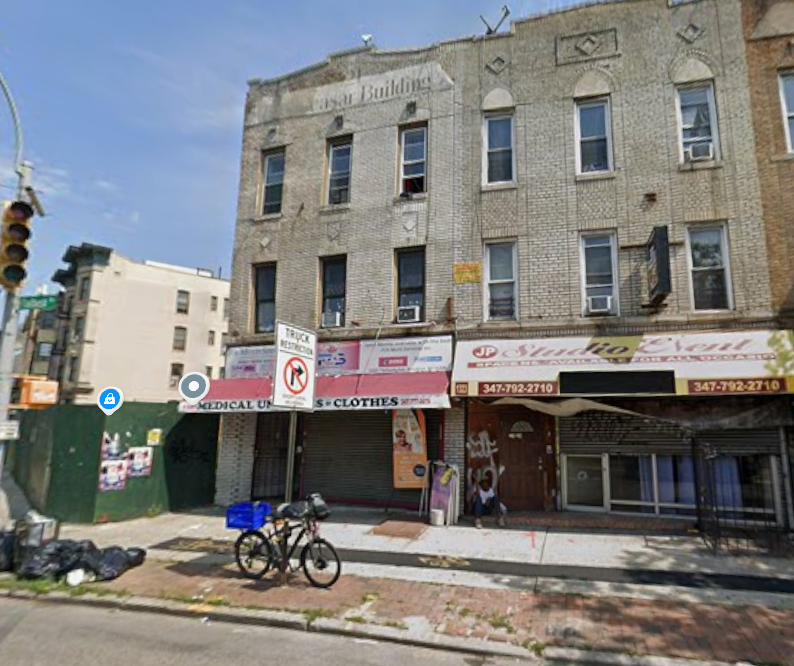
A devastating building collapse in Brooklyn’s Flatbush neighborhood on Wednesday, November 11, 2026, left one person dead and 11 others injured, including several construction workers in critical condition. The tragedy has raised serious questions about construction site safety, excavation practices, and the responsibility of developers and contractors to protect neighboring structures.
The collapse occurred shortly after 4 p.m. at 1321 Flatbush Avenue, a three-story mixed-use building situated next to an active construction site at 2625 Bedford Avenue.
Emergency responders worked through the rubble searching for survivors. Among those rescued was a pregnant woman who had been trapped beneath the debris.
Four construction workers were reported critically injured, while six others sustained less serious injuries. One worker died.
As investigators work to determine what caused the collapse, the incident highlights the potentially catastrophic consequences of construction activities performed near existing buildings.
Could Excavation Work Have Contributed to the Brooklyn Building Collapse?
According to published reports, construction crews were excavating a neighboring property for a planned nine-story building with a cellar.
The collapsed structure stood directly adjacent to the excavation site, and debris from the building fell into the construction pit. A neighboring building also sustained a partial collapse.
Although the precise cause has not been established, excavation near existing structures presents significant engineering and safety challenges.
Removing soil alongside a building can compromise its foundation or the support provided by surrounding earth if adequate protective measures are not implemented.
New York City construction regulations impose strict requirements intended to prevent these dangers.
Investigators will need to determine whether the excavation was properly engineered, whether neighboring foundations were adequately protected, and whether appropriate inspections and safety precautions were followed.
What Are the Responsibilities of Contractors and Developers During Excavation?
New York City construction projects must comply with building codes designed to protect workers, neighboring properties, and the public.
Under New York City Building Code Section 3309, construction and excavation operations must incorporate safeguards for adjoining properties. Depending on the circumstances, these obligations may include:
- Evaluating the condition of neighboring buildings before excavation begins.
- Providing appropriate underpinning, shoring, bracing, or other structural support.
- Monitoring adjacent structures for movement, settlement, or instability.
- Protecting neighboring foundations against damage caused by excavation.
- Implementing engineering and safety measures appropriate to the depth and nature of the work.
New York law also recognizes important protections for neighboring property owners under Building Code Section 3309 and applicable provisions of the New York City Administrative Code.
Whether any of these requirements were violated in the Flatbush collapse remains a matter for investigation.
Who Can Be Held Liable for a Building Collapse in New York?
When a building collapses during nearby construction, several parties may potentially bear legal responsibility, depending on their involvement and the cause of the accident.
These may include the property owner, developer, general contractor, excavation contractor, subcontractors, and engineering or design professionals.
Determining liability often requires a detailed examination of construction permits, excavation plans, structural engineering reports, inspection records, safety procedures, and the sequence of events leading to the collapse.
A thorough investigation may also examine whether warning signs, such as cracks, shifting walls, or unusual structural movement, were reported before the incident.
Can Injured Construction Workers File a Lawsuit After a Building Collapse?
Construction workers injured in a building collapse may have legal remedies beyond workers’ compensation.
New York Labor Law Sections 200, 240(1), and 241(6) provide protections to construction workers under different circumstances.
Depending on how the accident occurred, the work being performed, and the parties involved, an injured worker may be able to pursue a personal injury lawsuit against a negligent property owner, general contractor, or another responsible third party.
Labor Law Section 240(1), commonly known as the Scaffold Law, may apply to certain elevation-related accidents, including qualifying incidents involving falling structural materials. However, it does not automatically apply to every building collapse.
Labor Law Section 241(6) may also provide a basis for liability when an applicable, sufficiently specific Industrial Code safety requirement has been violated.
Families of workers killed in construction accidents may have grounds to pursue wrongful death claims.
What Legal Rights Do Residents Have When a Neighboring Building Collapses?
Building collapses can also cause devastating injuries to people who are not involved in construction.
Residents, tenants, pedestrians, and visitors may suffer serious injuries when nearby excavation or demolition operations destabilize an existing structure.
Unlike construction workers, these individuals generally pursue claims under negligence and premises liability principles rather than the specialized protections of New York’s construction worker Labor Laws.
Potential claims may involve unsafe excavation practices, inadequate structural support, failure to investigate known hazards, or other negligent conduct.
Victims may be entitled to compensation for medical expenses, lost earnings, pain and suffering, and other legally recoverable damages.
Experienced New York Building Collapse and Construction Accident Attorneys
For more than a century, Gair, Gair, Conason, Rubinowitz, Bloom, Hershenhorn, Steigman & Mackauf has represented individuals and families affected by catastrophic accidents throughout New York.
The firm’s attorneys have extensive experience litigating complex construction accident, premises liability, and wrongful death cases involving serious injuries and disputed questions of responsibility.
Building collapse litigation frequently requires a multidisciplinary investigation involving structural engineers, construction safety specialists, and other qualified experts.
The firm’s attorneys understand the importance of identifying every potentially responsible party and preserving critical evidence before it is lost or altered.
Individuals seriously injured in a Brooklyn building collapse, as well as families who have lost a loved one, can contact the firm’s experienced trial attorneys to discuss their legal rights and options. For a free consultation, call 212-943-1090.
The cause of the November 11, 2026, Flatbush building collapse remains under investigation. No determination of negligence or legal liability has been made. Our Brooklyn construction accident and building collapse attorneys will continue to monitor developments and provide updates as new information becomes available.
