 New York Personal Injury Attorneys Blog
After Deadly Fires in the Bronx and Brooklyn: Can Families Sue Over a Lithium Battery Fire?


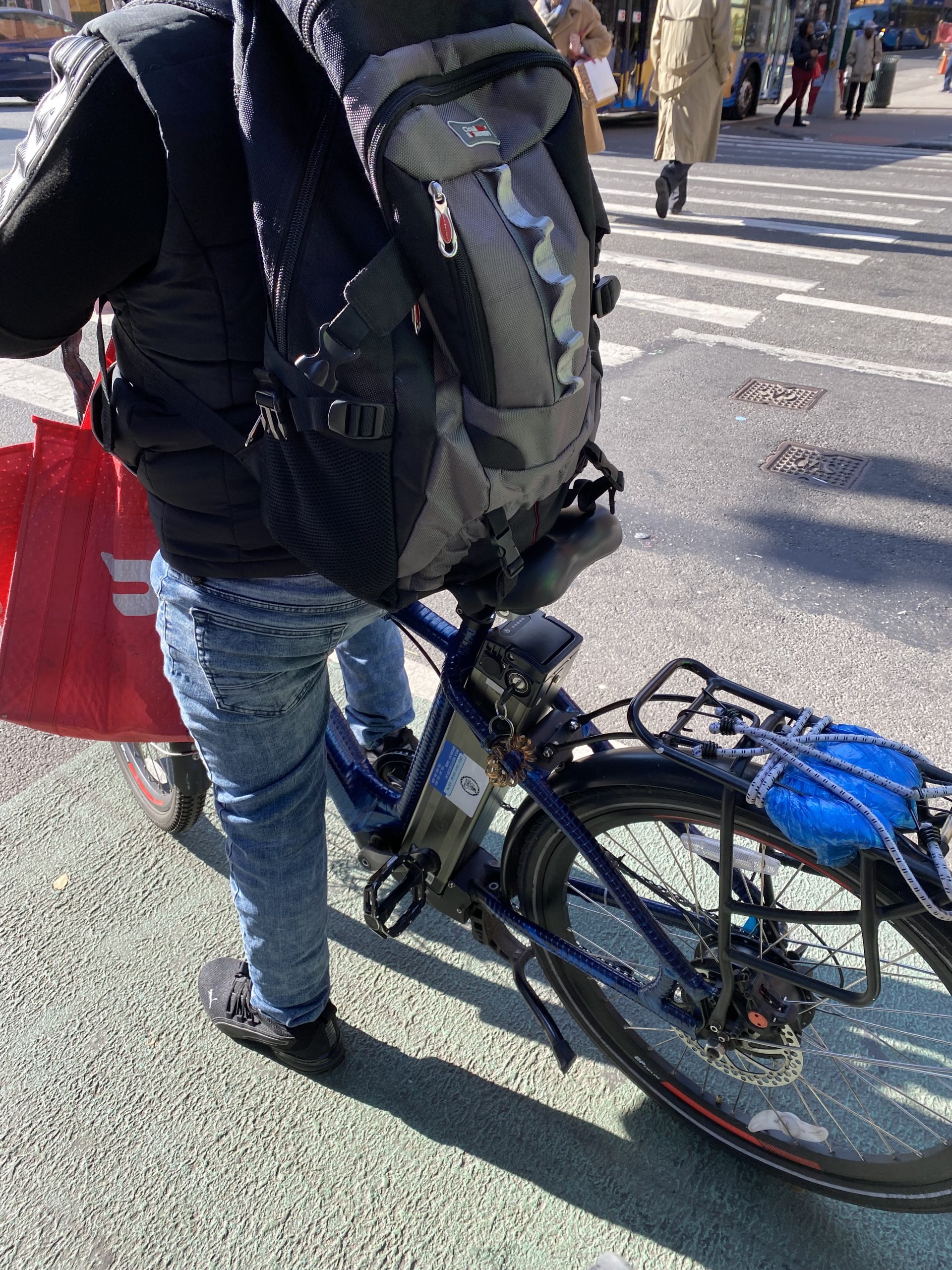 Following deadly fires in the Bronx and Brooklyn, the New York City Council announced a November 20 emergency oversight hearing to examine residential fire safety, lithium-ion battery storage, and enforcement of existing laws. For people who have suffered serious injuries or lost loved ones, another urgent question is whether those responsible can be held accountable through a civil lawsuit.
Under New York law, injured victims and families may have claims against a battery manufacturer, seller, repair business, property owner, or another responsible party. A successful case requires evidence connecting a defective product or negligent conduct to the harm. Responsibility cannot be determined from the occurrence of a fire alone.
What do the recent fires tell us—and what remains unknown?
According to the November 6 New York Daily News report, an e-bike battery fire at the Patterson Houses in the Bronx killed four members of a family. Fire officials reported that the bicycle was charging near the apartment’s only exit.
A separate fire in Sunset Park killed six people. Although batteries were found at that scene, the cause remained under investigation in the November 6 reporting and the Council’s announcement. Finding a battery in a burned building does not, by itself, establish that it started the fire.
These distinctions matter. A legal investigation must establish where the fire began, what caused it, how it spread, and whether dangerous conditions prevented people from escaping.
Can families sue the battery manufacturer or seller?
Yes, if a defective battery, charger, or e-bike caused the injuries or death. New York product liability law can permit claims against manufacturers and other businesses in the product’s distribution chain when a defect substantially contributed to the harm.
An investigation may examine:
- Design defects: Whether the product’s design made it unreasonably dangerous.
- Manufacturing defects: Whether a problem during production made the particular battery or charger unsafe.
- Inadequate warnings: Whether necessary instructions or warnings about foreseeable hazards were missing or insufficient.
These are recognized product liability theories, but each requires supporting evidence. A fire alone does not establish a particular defect.
Attorneys and experts may also investigate whether a repair business improperly rebuilt a battery, substituted cells, or supplied an incompatible charger. Purchase records, repair receipts, model numbers, and the physical remains can help identify the responsible businesses.
Does selling an uncertified battery matter?
It can. New York City restricts the sale, lease, or rental of covered mobility devices and batteries that lack required safety certification. The city also restricts certain battery assembly and reconditioning practices involving cells removed from used batteries.
Evidence of noncompliance may be relevant to a civil claim. However, a lawsuit still needs to connect the unsafe product or conduct to the fire and resulting harm. Certification status is one part of the investigation, not a substitute for determining the cause.
Can a landlord be responsible even if the landlord did not start the fire?
Potentially. An investigation should examine whether building conditions contributed to the injuries by delaying detection, allowing smoke to spread, or obstructing escape.
Relevant questions may include whether required smoke alarms were installed, whether fire doors worked properly, whether exits were obstructed, and whether management received complaints about dangerous conditions.
Landlord liability is not automatic. The case must establish an applicable duty, a breach of that duty, and a causal connection to the injuries. Responsibility for a particular condition—including a smoke detector—can depend on installation, maintenance obligations, and notice. New York courts have rejected fire claims where those elements were not established.
What compensation may be available after a death?
A wrongful death lawsuit is generally brought by the deceased person’s court-appointed personal representative for the benefit of eligible surviving family members. Individual relatives do not automatically have authority to file that claim themselves.
New York’s wrongful death law focuses on financial losses, which may include lost support and services, together with qualifying medical and funeral expenses. It does not generally compensate relatives for grief alone. Separately, the estate may pursue a surviving personal injury claim, including compensation for the deceased person’s conscious pain and suffering when supported by evidence.
People who survive with serious injuries may have their own personal injury claims.
What should families do after a suspected battery fire?
Early action can help preserve evidence before cleanup, disposal, or repairs make an investigation more difficult.
- Prioritize medical care and safety. Do not reenter an unsafe building or handle a damaged battery. Coordinate access and recovery with authorities and qualified professionals.
- Preserve purchase and repair records. Save receipts, online orders, seller messages, product listings, warranties, and charger information.
- Keep existing photographs and communications. Images taken before the fire may show the device, charging location, exits, or building conditions. Preserve complaints and messages sent to management.
- Arrange professional evidence preservation. An attorney can coordinate preservation requests and expert inspections involving the device, charger, fire scene, surveillance footage, and relevant records.
- Document the losses. Keep medical records, bills, employment information, funeral expenses, and other records of the fire’s consequences.
Families should not attempt to test or dismantle a damaged battery themselves.
How long do families have to bring a claim?
Many New York personal injury claims generally have a three-year filing period, while wrongful death claims generally must be filed within two years of death. Exceptions and different rules can apply.
Claims involving NYCHA or another public entity require immediate attention. A notice of claim may be required within 90 days. For wrongful death, the statutory notice period generally runs from appointment of the estate representative; a separate personal injury claim may have a different starting date. NYCHA negligence claims for personal injuries also generally carry a shorter lawsuit deadline of one year and 90 days.
Families should not wait for the Council hearing or a final investigative report before obtaining advice about preservation and deadlines.
Investigating legal responsibility after a serious fire
A thorough investigation looks beyond the battery itself. It examines the product’s manufacture and sale, any repairs or modifications, the charging equipment, and the building conditions that affected detection and escape.
Families seeking legal guidance after a catastrophic fire can contact Gair, Gair, Conason, Rubinowitz, Bloom, Hershenhorn, Steigman & Mackauf to discuss whether the evidence supports a personal injury or wrongful death claim.
