Gair, Gair, Conason, Rubinowitz, Bloom, Hershenhorn, Steigman & Mackauf is a New York Plaintiff's personal injury law firm specializing in automobile accidents, construction accidents, medical malpractice, products liability, police misconduct and all types of New York personal injury litigation.

Articles Posted in Delay to Treat or Failure to Diagnose a Medical Condition

Published on:

Diagnostic errors are not a new problem, in 1991 the Harvard medical Practice Study, investigated Medical Malpractice in New York Hospitals and found out that diagnostic errors were accounting for 14% of physicians errors and that 75% of them were due to doctors negligence.

In 1999 a study from the Institute of Medicine “To Err is Human”, looks at diagnostic errors and classifies them in four different categories: error or delay in diagnosis, failure to employ indicated tests, use of outmoded tests or therapy and failure to act on results of monitoring or testing.

Despite these studies, diagnostic errors have been largely ignored until recent research calculated the impact of such errors. Results from a 2009 report funded by the federal Agency for Healthcare Research and Quality showed that 28% of diagnostic mistakes were life-threatening or had resulted in death or permanent disability.

Published on:

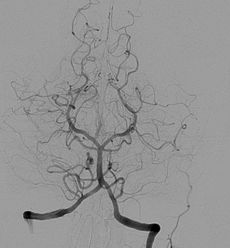
230px-Cerebral_angiography%2C_arteria_vertebralis_sinister_injection.JPG Angiography alone doesn’t detect Ischemia and may lead to misdiagnosis when a patient is being checked for chest pain. A routine Functional Flow Reserve Measurement (FFR) after the angiography would lead to a change of diagnosis for 1 out of 4 patients according to a new study presented at EuroPCR 2013 by Nick Curzen, Professor of Interventional Cardiology, University Hospital Southampton NHS Foundation Trust and Faculty of Medicine, University of Southampton, Southampton, UK.

Most cadiologists base their decision on the angiography only. The angiography is an X-ray of the blood vessel (see picture) that the cardiologist uses to assess if some blood vessels are blocked or damaged. The study argues that angiography only doesn’t detect ischemia, a restriction in blood supply to tissues, causing a shortage of oxygen and glucose needed to keep tissue alive. This may lead cardiologists to fail to diagnose a medical condition and to develop an inappropriate treatment plan for the patient.

Researchers, studied 200 patients suffering from Chest Pain. Each patient underwent an angiography. Based on the angiography only a cardiologist made a diagnosis and developed a treatment plan for each patient as well as recommendations for medical treatment such as percutaneous coronary intervention (PCI), coronary artery bypass grafting (CABG) or request for more information. The cardiologist left the room and then each patient had a Fractional Flow Reserve (FFR) measurement. Results with FFR were shown again to the cardiologist. Based on this additional information the cardiolgist changed the treatment for 25% of the patients.

Published on:

According to a new study by New York Presbyterian Hospital and Weill-Cornell Medical College presented at Digestive Disease Week® (DDW), usual methods to diagnose and treat gastrointestinal problems are controversial and lead to a high rate of misdiagnosis.

Gastroesophageal reflux disease (GERD) happens when stomach acid or bile flows back into the esophagus from the stomach, causing acid reflux and heartburn. The usual method used to treat this condition is to submit the patient to an eight eight-week trial of proton-pump inhibitors (PPI) and then to observe the patient to see if symptoms subside.

According to David Kleiman, MD, a research fellow in the department of surgery at New York Presbyterian Hospital, “Many patients remain on proton-pump inhibitors for years after the trial period without any confirmation that they are being treated for the right diagnosis,”. This leads to unnecessary expenses and increased medical risks linked to extended PPI use.