 New York Personal Injury Attorneys Blog
Injured in an MTA Bus Accident? Don’t Miss the 90-Day Notice of Claim Deadline


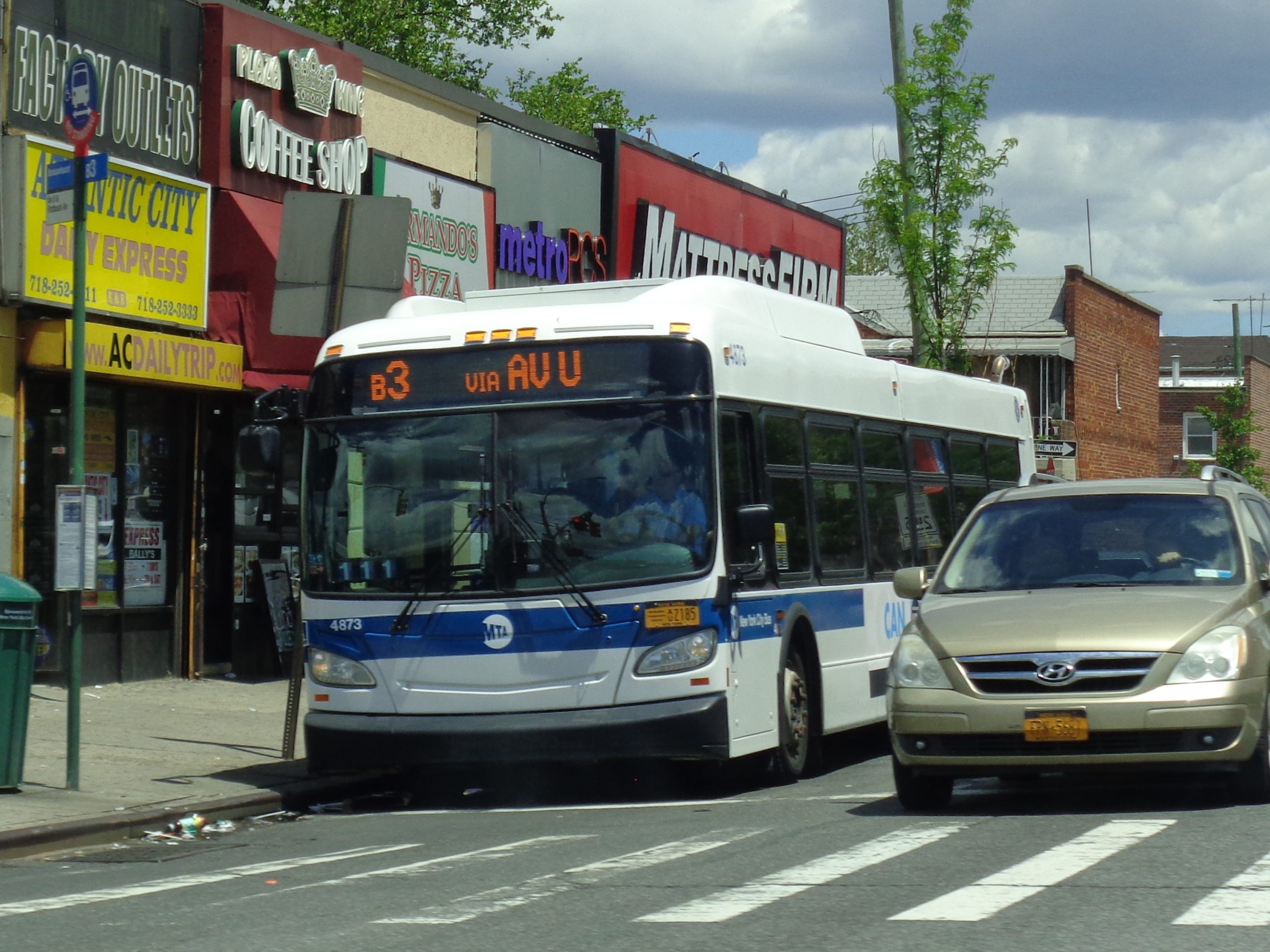 A recent MTA bus accident in Brooklyn serves as an important reminder that injured victims have far less time to protect their legal rights than they may realize.
On July 6, 2026, an MTA bus collided with a truck in the Gravesend neighborhood of Brooklyn, reportedly injuring 15 people. While investigators continue to determine what caused the collision, the accident highlights an important legal issue that many New Yorkers are unaware of: if you are injured in an accident involving an MTA bus, you generally have only 90 days to file a Notice of Claim.
Unlike a typical car accident claim, cases involving the Metropolitan Transportation Authority (MTA) and its operating agencies are subject to special legal rules and strict deadlines. Failing to comply with these requirements can result in losing your right to pursue compensation, regardless of how serious your injuries may be.
Why Is There a 90-Day Deadline?
The MTA is a public authority, not a private company. As a result, New York law requires anyone seeking compensation from certain public entities to first serve a Notice of Claim before filing a lawsuit.
A Notice of Claim is a formal legal document that provides the public authority with basic information about the accident, including:
- The date and location of the accident
- How the incident occurred
- The injuries sustained
- The damages being claimed
This requirement gives the MTA an opportunity to investigate the incident while evidence is still available and witnesses’ memories remain fresh.
Although it may seem like a simple procedural step, serving a timely Notice of Claim is often essential to preserving your right to recover compensation.
The Clock Starts Running on the Day of the Accident
One of the biggest misconceptions is that injured victims have months, or even years, to decide whether they want to pursue a claim.
That is not the case.
In most situations, the 90-day period begins on the date of the accident, not when your injuries are fully diagnosed or when you complete medical treatment.
Many accident victims spend weeks attending doctor appointments, undergoing diagnostic testing, and hoping their injuries will improve. By the time they begin thinking about legal action, a significant portion of the 90-day deadline may have already passed.
For this reason, it is important to speak with an experienced MTA bus accident attorney as soon as possible, even if you are still receiving medical care.
What Happens If You Miss the 90-Day Deadline?
Missing the Notice of Claim deadline can have serious consequences.
In many cases, failing to serve a timely Notice of Claim may prevent an injured person from pursuing compensation against the MTA.
Although New York courts may, in limited circumstances, permit the filing of a late Notice of Claim, those requests are not automatically granted. Courts consider several factors, including whether the public authority had timely knowledge of the accident, whether there is a reasonable explanation for the delay, and whether the delay would prejudice the public authority’s ability to investigate the claim.
Because these situations are highly fact-specific, injured victims should never assume that an extension will be available.
The safest course is to act well before the 90-day deadline expires.
Filing a Notice of Claim Is Not the Same as Filing a Lawsuit
Many people mistakenly believe that filing a Notice of Claim means they have filed their lawsuit.
It does not.
The Notice of Claim is the first procedural step required before a lawsuit can generally be brought against the MTA or another public authority.
After the Notice of Claim is served, additional legal procedures typically follow, including a hearing conducted by the public authority and, if necessary, the filing of a lawsuit.
Claims against the MTA are also subject to a separate statute of limitations. In many cases, a lawsuit must be commenced within one year and ninety days from the date of the accident. Meeting one deadline does not eliminate the need to comply with the other.
Why Waiting Can Hurt Your Case
The legal deadline is only one reason to act quickly.
The sooner an attorney begins investigating your claim, the better the opportunity to preserve valuable evidence, including:
- Surveillance video from inside the bus
- Exterior camera footage
- Electronic event data and GPS records
- Driver schedules and work logs
- Dispatch communications
- Vehicle inspection and maintenance records
- Police reports
- Witness statements
Some of this evidence may only be retained for a limited period. Prompt action helps ensure that important information is identified and preserved before it is lost.
Who May Need to File a Notice of Claim?
The Notice of Claim requirement may apply to many different types of accident victims, including:
- Passengers riding on an MTA bus
- Drivers involved in a collision with an MTA bus
- Pedestrians struck by a bus
- Cyclists involved in a bus accident
- Individuals injured while boarding or exiting a bus
- Passengers injured by malfunctioning bus doors or sudden bus movements
Because every accident is unique, determining which public entity is responsible and which legal requirements apply should be evaluated on a case-by-case basis.
The Recent Brooklyn MTA Bus Accident Is a Reminder for Every New Yorker
The recent collision in Gravesend demonstrates how quickly an ordinary commute can turn into an unexpected emergency. Whether an accident results in minor injuries or life-changing trauma, understanding the legal deadlines that apply is essential.
Many people have never heard of a Notice of Claim until after they have been injured. Unfortunately, by that point, valuable time may already have been lost.
Knowing that you generally have only 90 days to act can make the difference between preserving your legal rights and losing the opportunity to seek compensation.
Protect Your Rights Before Time Runs Out
If you or someone you love has been injured in an accident involving an MTA bus, do not assume that the same rules that apply to ordinary automobile accidents apply to your case.
Claims against public authorities involve unique legal procedures and strict deadlines. Waiting too long can jeopardize your ability to recover compensation, even when liability appears clear.
For more than a century, Gair, Gair, Conason, Rubinowitz, Bloom, Hershenhorn, Steigman & Mackauf has represented injured New Yorkers in complex transportation accident and catastrophic injury cases. Our attorneys understand the procedural requirements involved in claims against public authorities and move quickly to investigate accidents, preserve evidence, and protect our clients’ rights.
If you have questions about your legal options after an MTA bus accident, contact our office as soon as possible. The 90-day deadline begins running immediately, and taking prompt action may be one of the most important steps you can take to protect your claim.
