 New York Personal Injury Attorneys Blog
NYC Unveils New Vision Zero Plan to Reduce Pedestrian Deaths and Serious Traffic Injuries


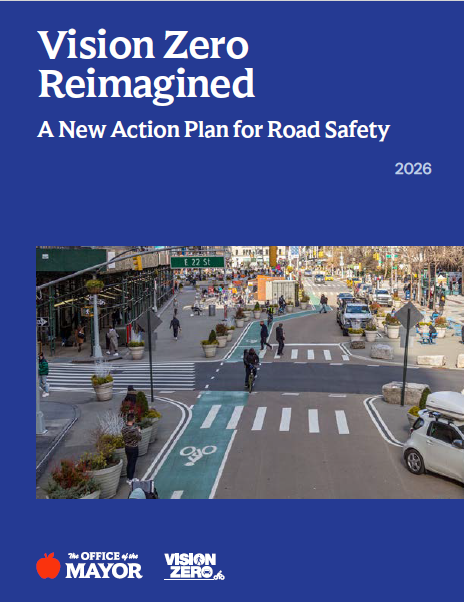 New York City has announced a major expansion of its Vision Zero street-safety initiative, introducing more than 100 commitments intended to reduce pedestrian deaths, serious injuries and dangerous driving throughout the five boroughs.
Mayor Zohran Mamdani announced the 10-year “Vision Zero Reimagined” plan on September 15, 2026. The initiative calls for changes to the way New York City addresses speeding and repeat dangerous drivers, intersection design, oversized vehicles, e-bikes and scooters, and the safety of municipal vehicles.
For the millions of New Yorkers who walk, bike or drive on city streets, the proposals could eventually result in significant changes to both street design and the measures used to identify and address dangerous driving.
NYC Targets Repeat Dangerous Drivers
One of the most significant elements of the plan is its focus on drivers with repeated traffic violations.
According to the City, a relatively small group of drivers with documented histories of reckless behavior is associated with 37% of traffic deaths. The City also reports that vehicles receiving more than 16 speed-camera violations in a year are twice as likely to become involved in a crash causing a serious injury or death.
Vision Zero Reimagined calls for stronger measures to identify and address these drivers, including a new “Super Speeder” program, expanded automated enforcement and efforts to combat illegal or obscured “ghost plates.”
For NYC car accident lawyers investigating a catastrophic collision, a driver’s history can be important. Prior violations, licensing records, vehicle ownership, insurance information and the driver’s actions before a crash may all become relevant depending on the circumstances of the case.
A serious collision should therefore be investigated as more than an isolated event. Understanding what happened may require examining the driver’s conduct, the vehicle, available electronic data, surveillance footage, witnesses and other evidence.
Safer NYC Intersections and Lower Speed Limits
Street design is another major component of the new Vision Zero plan.
The City intends to install hardened daylighting or other safety treatments at at least 1,000 intersections every year. Daylighting is designed to improve visibility near intersections by keeping vehicles and other obstructions away from areas where motorists need to see pedestrians approaching or entering a crosswalk.
The administration also plans safety redesigns along untreated Vision Zero Priority Corridors.
These measures matter because intersections are among the places where pedestrians are particularly vulnerable. A driver making a turn may have only seconds to see and react to someone entering a crosswalk, especially on congested streets where parked vehicles, trucks and other obstructions can limit visibility.
The City is also continuing to lower speeds around schools. More than 200 school locations had received 15 mph School Slow Zones by mid-2026, with hundreds more planned.
Speed can dramatically affect the severity of a pedestrian collision. Reducing vehicle speeds and improving visibility are therefore important components of preventing catastrophic injuries on streets shared by pedestrians, cyclists, cars, trucks, buses, e-bikes and scooters.
Pedestrian-Only Areas Could Change Parts of NYC
Vision Zero Reimagined also proposes creating New York City’s first pedestrian-only and pedestrian-priority districts.
Additional proposals include protected bicycle infrastructure, traffic-calmed corridors and other measures designed to encourage walking, public transportation, micromobility and shared transportation.
The plan also addresses the increasing size and weight of vehicles on city streets, including proposals involving safer truck designs and policies aimed at the risks associated with oversized passenger vehicles.
Not every proposal will take effect immediately. Some measures remain in the planning stage, while others may require legislative or regulatory action.
E-Bikes and Scooters Are Increasingly Part of NYC Traffic Safety
Any modern effort to reduce traffic injuries in New York City must also address e-bikes, scooters and other forms of micromobility.
Vision Zero Reimagined proposes a broader regulatory framework for these devices, including measures addressing unsafe riding behavior, illegal or uncertified devices and accountability involving delivery platforms.
The rapid growth of e-bikes and scooters has changed the traffic environment throughout New York City. When a serious accident involvese-bikes, determining responsibility can raise questions about who was operating the vehicle, who owned it, whether a business or delivery platform was involved, and what insurance coverage or other sources of compensation may be available.
NYC Traffic Deaths Have Declined, but Serious Accidents Continue
New York City reports that traffic deaths have declined substantially since Vision Zero began in 2014. Earlier this year, NYC DOT also reported historically low pedestrian fatalities during the first half of 2026, excluding the unusual traffic conditions during the COVID-19 pandemic.
That progress is encouraging, but pedestrians, cyclists and motorists continue to suffer catastrophic and fatal injuries on New York City streets.
Vision Zero Reimagined reflects the City’s position that reducing those crashes further will require a combination of safer street design, enforcement, technology, driver accountability and changes in transportation policy.
Why Evidence Matters After a Serious NYC Car, Pedestrian Accident or bicycle accident
No street-safety program can eliminate every collision. When a catastrophic accident does occur, determining exactly what happened can be critical.
Important evidence can disappear quickly after a crash. Surveillance and traffic-camera footage may be overwritten, vehicles may be repaired, witnesses can become difficult to locate, and the physical conditions at the accident scene can change.
An investigation may include obtaining available video footage, locating witnesses, examining vehicle damage, reviewing driver and vehicle records, preserving electronic or telematics data and analyzing the roadway and traffic controls.
In some cases, the investigation may also reveal that responsibility extends beyond the individual driver. Depending on the facts, other potentially responsible parties could include a vehicle owner, employer, commercial operator, contractor or governmental entity.
Claims involving a municipality can also be subject to special procedural requirements and significantly shorter deadlines than ordinary negligence cases. Anyone seriously injured in a crash involving a City vehicle or potentially dangerous roadway condition should therefore seek legal advice promptly.
Injured in a Serious New York City Traffic Accident?
The NYC car accident lawyers at Gair, Gair, Conason, Rubinowitz, Bloom, Hershenhorn, Steigman & Mackauf represent people who have suffered catastrophic injuries and families who have lost loved ones in motor vehicle, pedestrian, bicycle, bus and other transportation accidents.
Our attorneys investigate serious accidents to determine how they occurred, preserve critical evidence and identify the parties that may be legally responsible.
If you or a family member has been seriously injured in a New York City traffic accident, call 212-943-1090 or contact us online for a free consultation.
