Gair, Gair, Conason, Rubinowitz, Bloom, Hershenhorn, Steigman & Mackauf is a New York Plaintiff's personal injury law firm specializing in automobile accidents, construction accidents, medical malpractice, products liability, police misconduct and all types of New York personal injury litigation.

Articles Tagged with premises liability lawyers NYC

Published on:

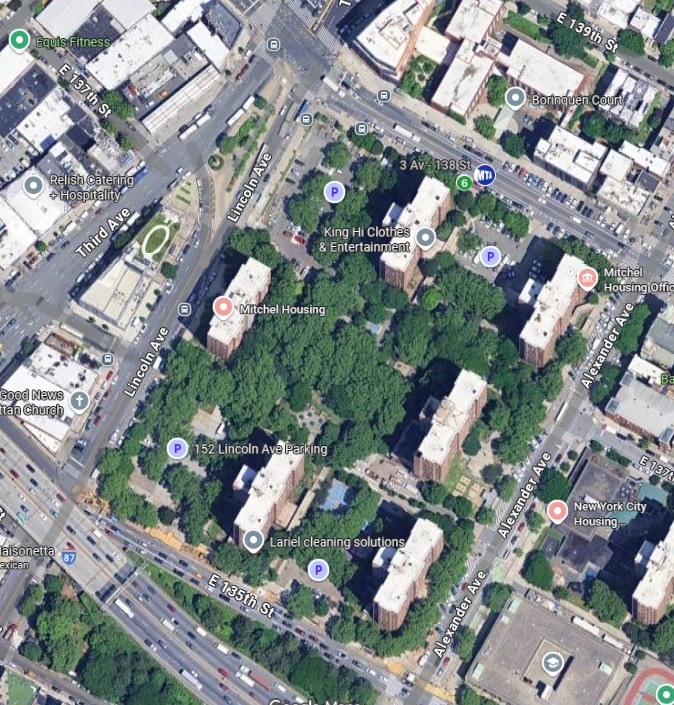
Mitchel Housing Complex in the Bronx where the collpase occuredWhen a portion of the 20-story Mitchel Houses in the Bronx collapsed on October 1, 2025, after an explosion in a ventilation shaft, hundreds of families were forced to evacuate. While no injuries were reported, residents lost access to their homes, belongings, and sense of safety. The collapse raises important questions about tenants’ rights, the legal responsibility of public housing authorities, and the options available to residents after such a catastrophic event.

Tenant Rights After a Building Collapse

New York tenants are legally entitled to safe and habitable housing. When a building becomes structurally unsafe—whether due to poor maintenance, faulty equipment, or systemic neglect—residents may have legal claims for:
Published on:

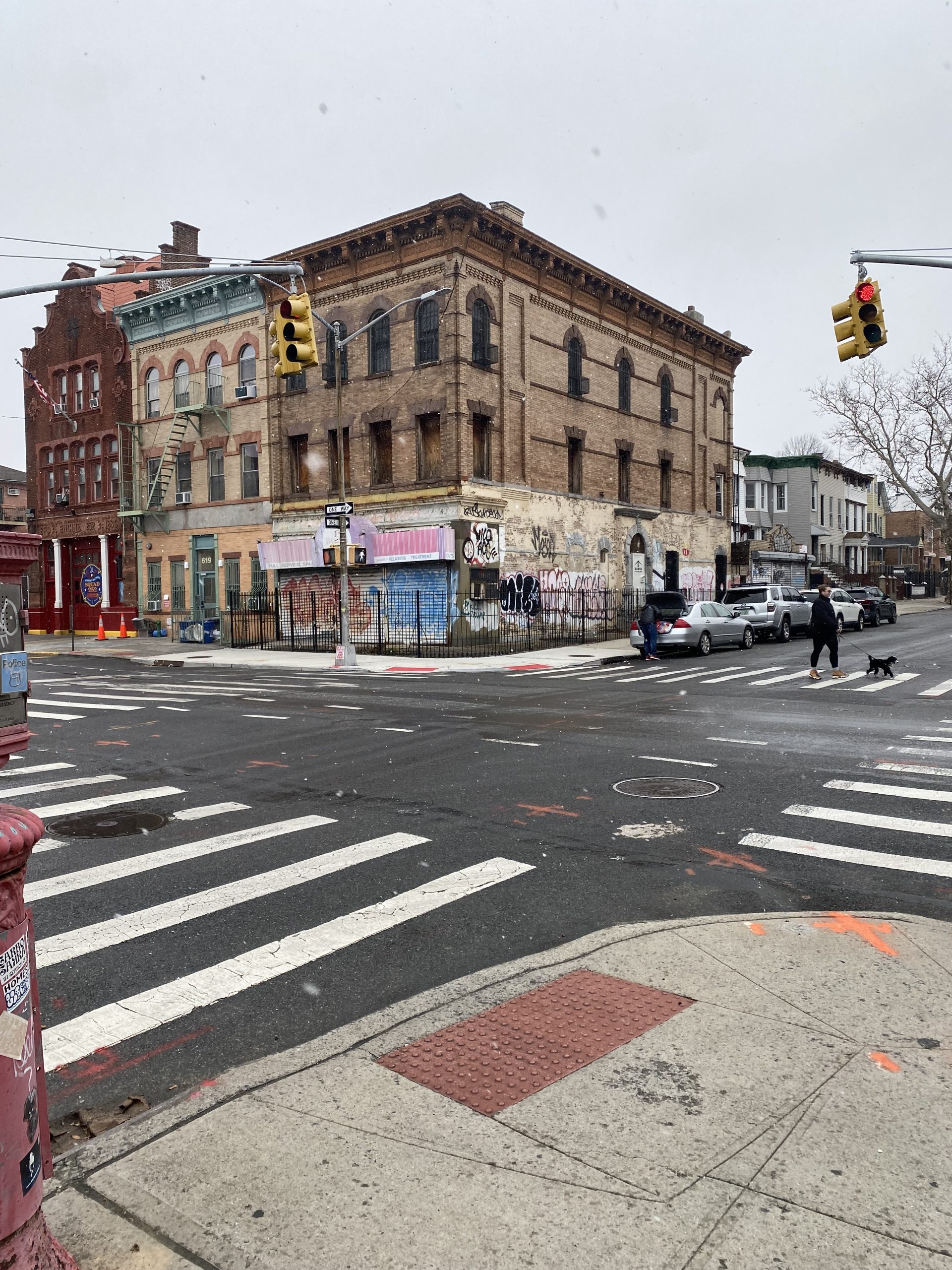
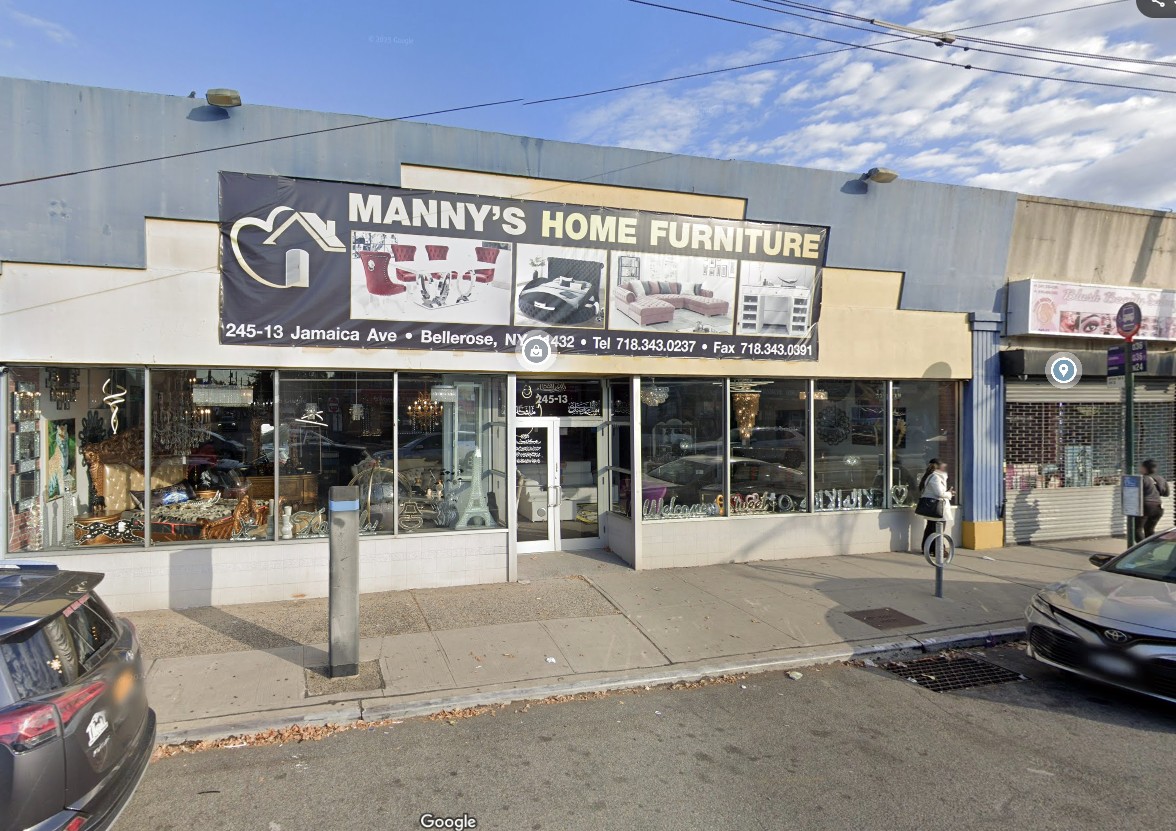
the-buidling-before-the-collapseThree people, including two young girls, were injured last week, when a large section of a building facade collapsed onto the sidewalk and parked cars outside a furniture store in the Bellerose section of Queens. The parapet wall—approximately 175 linear feet—suddenly gave way, prompting emergency response teams and an investigation by the New York City Department of Buildings (DOB).

At Gair, Gair, Conason, Rubinowitz, Bloom, Hershenhorn, Steigman & Mackauf, our Queens personal injury lawyers are closely monitoring developments in this case. When building owners fail to maintain their properties, the consequences can be catastrophic. Tragically, this is not the first time innocent pedestrians have been harmed due to neglected structural hazards.

DOB inspectors issued an OATH/ECB violation to the building owner for “failure to maintain the building.” While the exact cause of the collapse is still under investigation, a prior complaint filed in June alleged the building was not up to code and had holes in the ceiling and floor. A contractor familiar with the structure noted that the parapet had rusted metal beams and may have required more extensive repairs than had been performed.

Published on:

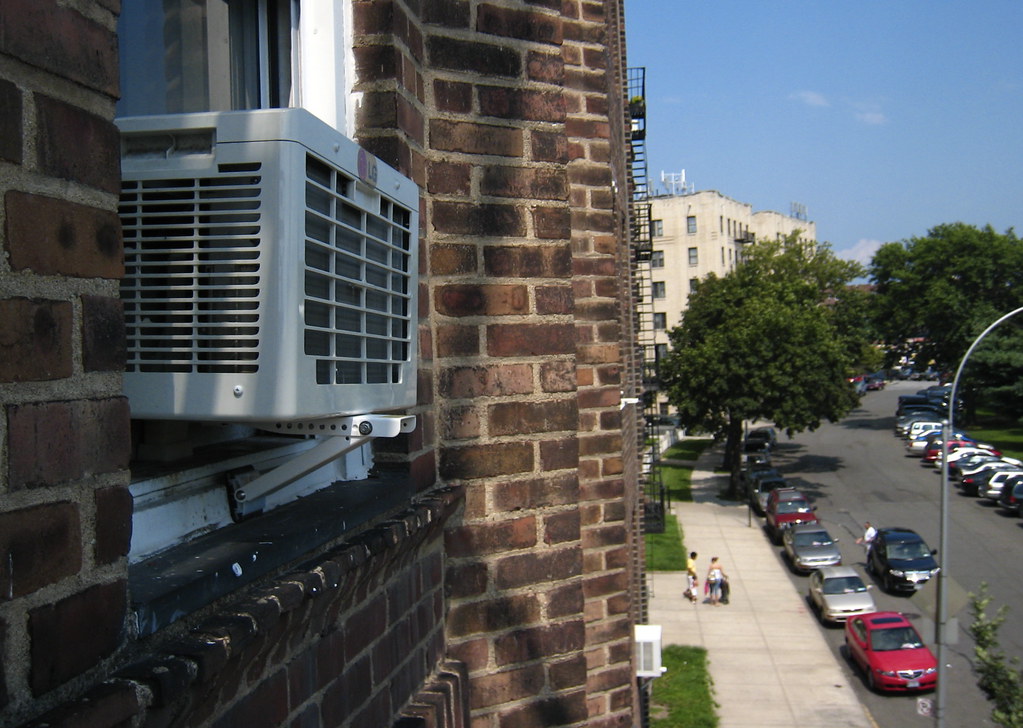
AC unit if not properly secured can be dangerous A 4-year-old boy was seriously injured in Brooklyn after he fell from a fifth-story window after an air conditioning unit’s side panel was pushed open. The child survived with serious injuries, and the story has raised important questions about premises liability, particularly in apartment complexes.

According to reports, the boy was playing near the bedroom window when he fell through the gap left by the air conditioner’s side panel. His mother, upon discovering him missing, found the panel ajar and immediately called emergency services. The child was hospitalized with multiple broken bones but is expected to recover. Thankfully, there were no injuries to his brain.

The incident underscores the vital need for proper installation and maintenance of window air conditioning units, especially in homes with young children.

Published on:

New York City aging buildings at risk of collapseIn the aftermath of the recent earthquake that shook New York City, concerns about the structural integrity of the city’s aging infrastructure have once again surged to the forefront of public consciousness. Even before the seismic event, many New Yorkers harbored apprehensions regarding the resilience of buildings that form the fabric of their daily lives. As a leading law firm specializing in premises liability, Gair, Gair, Conason, Rubinowitz, Bloom, Hershenhorn, Steigman & Mackauf (GGCRBHS&M) provides a unique perspective on the potential dangers lurking in the aftermath of such natural disasters.

New York City is home to approximately 1.1 million buildings, many of which were erected before modern safety standards were implemented in the 1990s. These older structures, particularly unenforced brick buildings, are deemed to be at the highest risk in the event of seismic activities. While the United States Geological Survey has assured the public that the recent earthquake was not powerful enough to inflict major damage, the event has undeniably heightened awareness and concern among residents and property owners alike.

In response, city officials and inspectors have ramped up efforts to assess the condition of buildings, focusing on construction sites and responding to complaints from the public. Structural engineers emphasize the importance of vigilant observation, advising property owners to note any new cracks in the floors, ceilings, and walls.

Published on:

The recent heartbreaking incident in Midwood, Brooklyn, where a baby tragically lost their life due to a steam radiator malfunction, has raised numerous concerns regarding premises liability and the safety standards in residential buildings.

A baby in Midwood, Brooklyn, suffered fatal injuries after being exposed to steam from a malfunctioning radiator. According to the Department of Buildings, the radiator exploded due to a separation in the part that connected the pipe feeding steam to the radiator. The mother, attending to another child in a different room, found the room filled with steam, likely exceeding 200 degrees.

Duty of Care

Published on:

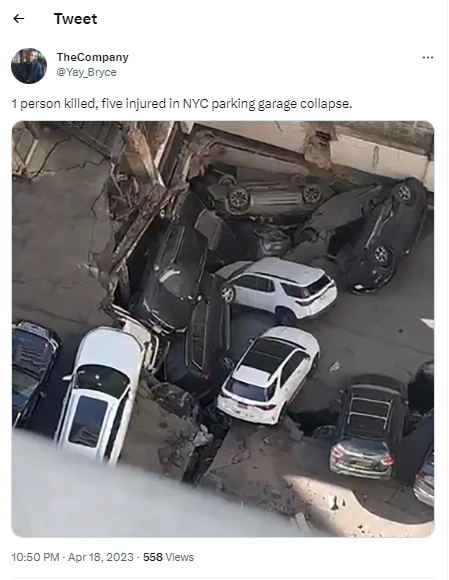
parking garage collapses in NYCOn Tuesday afternoon, a parking garage on Ann Street in Lower Manhattan collapsed, resulting in the death of one person and injuring five others. The collapse caused cars to pancake on top of one another, sending rubble from the top deck down to street level. Videos and pictures from the scene showed the extent of the damage, with dust rising from the wreckage.

As premises liability attorneys in New York City, it is alarming to see accidents like this happen. It is the responsibility of property owners to ensure that their premises are safe for those who use them, including visitors and employees. The collapse of the parking garage raises questions about the safety measures in place, maintenance of the structure, and whether there were any prior warnings of potential issues.

The building had open violations dating from 2003