 New York Personal Injury Attorneys Blog
Deadly Brooklyn Building Collapse: Engineer Behind Excavation Plans Previously Faced Four Lawsuits Over Neighboring Building Damage


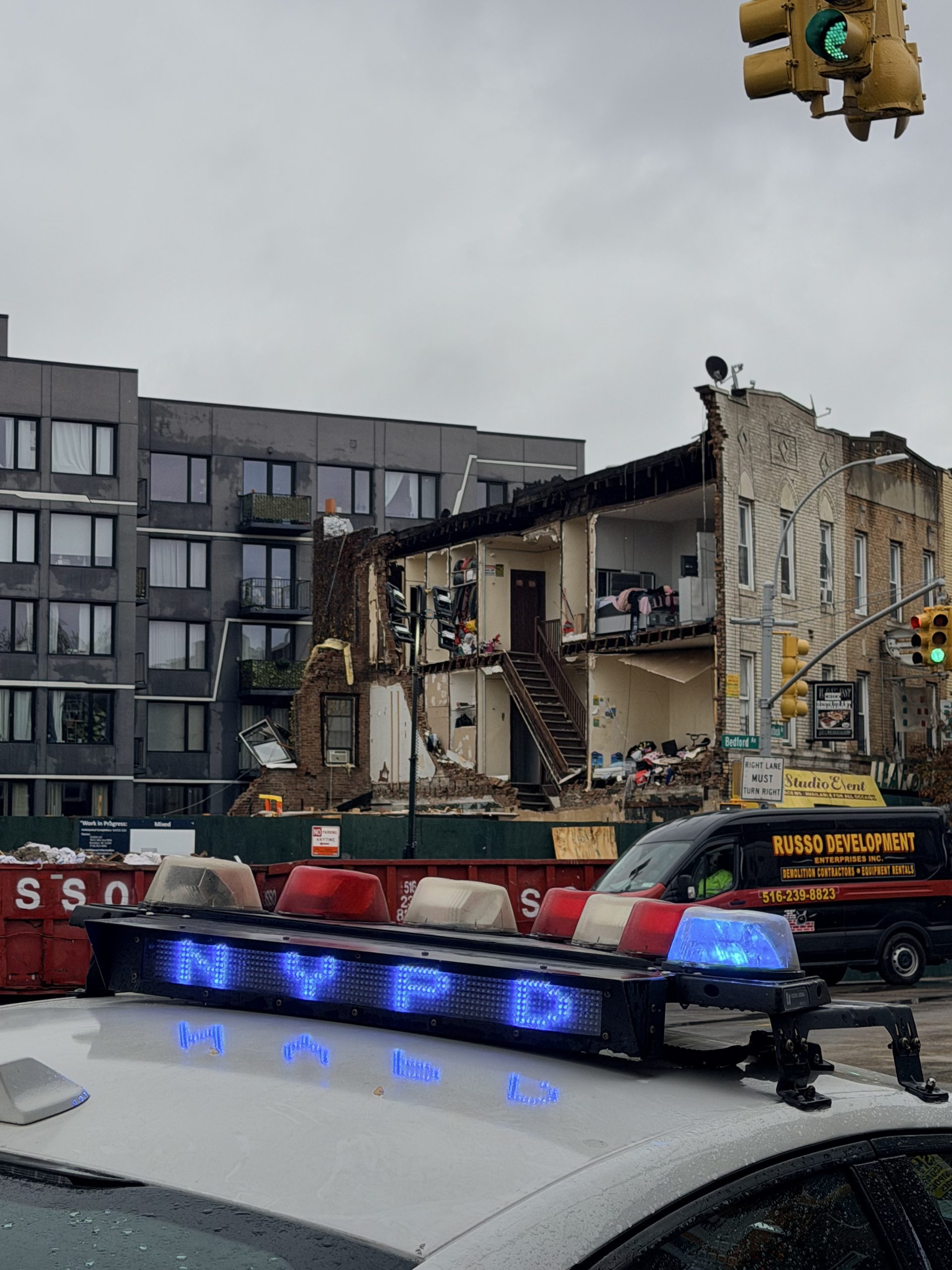 New questions about excavation safety and engineering oversight have emerged following the deadly November 11, 2026, building collapse in Flatbush, Brooklyn.
An investigation by NBC New York has revealed that the engineer responsible for preparing excavation and support plans for the construction project adjacent to the collapsed building had previously been named in four lawsuits alleging that excavation work at other construction sites damaged neighboring properties.
The engineer, Jieming Wang, president of LMW Engineering, had also been appointed twice, in 2017 and 2023, to committees advising on revisions to New York City’s Building Code.
These findings raise important questions about engineering oversight, excavation safety, and the responsibility of construction professionals to protect workers and neighboring buildings.
Engineer’s Previous Lawsuits Involved Allegations of Excavation Damage
According to NBC New York’s investigation, Wang and LMW Engineering were previously involved in four lawsuits concerning alleged damage to buildings adjacent to excavation projects.
The lawsuits, filed between 2009 and 2018, involved properties in Sunset Park, Gravesend, Prospect Heights, and another Brooklyn location.
The allegations included deficient excavation plans, inadequate supervision, structural cracks, and damage allegedly resulting from excavation, underpinning, or shoring operations.
Two cases resulted in settlements before trial, while the others were dismissed. Neither Wang nor LMW Engineering was found liable in these proceedings, and the settlements did not establish wrongdoing.
The existence of these lawsuits does not establish that the engineering company was negligent in connection with the Flatbush collapse. However, the history of litigation raises broader questions about how construction professionals’ prior experience and project histories are evaluated when they undertake work near occupied buildings.
Engineer Had Been Selected to Help Revise NYC Construction Codes
NBC New York also reported that Wang was appointed in both 2017 and 2023 to participate in committees advising on revisions to New York City’s construction regulations.
According to the Department of Buildings, these committees include industry professionals who volunteer to discuss potential code changes, which are ultimately subject to approval through the city’s legislative process.
Wang’s participation does not mean he personally wrote or approved the Building Code.
Nevertheless, the disclosure raises questions about how professionals are selected for these advisory positions and whether their prior litigation histories are considered.
Excavation Plans Had Been Approved by the NYC Department of Buildings
The construction project at 2625 Bedford Avenue involved plans for excavation reaching approximately 14 feet below ground level, immediately adjacent to the building that later collapsed.
The plans included measures intended to support the neighboring structure during excavation.
According to NBC New York, the Department of Buildings confirmed that the excavation and support plans underwent a full examination and were found to comply with city requirements.
However, approval of construction plans does not necessarily establish that excavation work was performed safely or that all required precautions were implemented at the construction site.
A thorough investigation must examine not only the approved engineering drawings but also how the excavation was actually carried out, whether site conditions changed, whether warning signs were identified, and whether appropriate protective measures were maintained throughout construction.
Who Is Responsible for Protecting Neighboring Buildings During Excavation?
Excavation near existing buildings presents serious structural risks, particularly when neighboring foundations may be affected by soil removal, vibration, or changes in ground support.
Under New York City Building Code Section 3309, construction operations must include appropriate safeguards to protect adjoining properties. The applicable requirements depend on the work and site conditions and may involve engineering assessments, underpinning, shoring, monitoring, and other protective measures.
Depending on their responsibilities and involvement, potentially accountable parties may include property owners, developers, general contractors, excavation subcontractors, engineers, and other construction professionals.
An engineer’s preparation of plans, a contractor’s implementation of those plans, and the inspection or monitoring of construction activities are distinct responsibilities that must be examined individually.
Whether any party violated an applicable duty in the Flatbush collapse remains under investigation.
Construction Workers and Neighboring Residents Have Legal Rights
The Flatbush tragedy highlights the potentially devastating consequences of structural failures at construction sites, not only for workers performing dangerous excavation work but also for residents and businesses in surrounding buildings.
Under New York law, injured construction workers and families of workers killed in construction accidents may have legal remedies, including workers’ compensation benefits and, where legally supported, claims against responsible third parties.
New York Labor Law Sections 200, 240(1), and 241(6) may apply depending on the specific circumstances, the nature of the accident, and the statutory requirements. Not every excavation or building collapse accident falls within every provision.
Residents, pedestrians, and neighboring property occupants who suffer injuries may also have potential negligence claims if the evidence establishes that a responsible party failed to exercise reasonable care.
Determining liability requires a careful investigation of engineering plans, site inspections, construction records, applicable safety requirements, and the circumstances of the collapse.
Experienced Brooklyn Building Collapse and Construction Accident Attorneys
Gair, Gair, Conason, Rubinowitz, Bloom, Hershenhorn, Steigman & Mackauf has extensive experience representing victims of catastrophic construction accidents and structural failures throughout New York City.
The firm’s experience includes the historic $272.5 million settlement arising from the 2008 Tribeca crane collapse, one of New York City’s most significant construction accident cases.
The firm’s attorneys understand the complex engineering, construction safety, and liability questions that can arise when serious accidents occur on or near construction sites. With extensive experience handling personal injury cases in Brooklyn, they are deeply familiar with the borough, its courts, and the litigation procedures of Kings County Supreme Court. This local knowledge, combined with decades of trial experience, allows the firm to effectively represent victims of serious construction accidents and building collapses throughout Brooklyn.
For more information about the November 11 tragedy, the ongoing investigation, and the legal rights of victims and their families, visit the firm’s dedicated page on the Flatbush Brooklyn building collapse.
Individuals injured in construction accidents and families who have lost loved ones may contact the firm at (212) 943-1090 for a free consultation.
The cause of the Flatbush collapse remains under investigation. No finding of negligence or wrongdoing by Jieming Wang, LMW Engineering, or any other identified party is implied by the reporting discussed in this article.
