 New York Personal Injury Attorneys Blog
New York Medical Malpractice – Hospital Negligence: two patients died at Coney Island Hopsital after being given wrong type of blood


Gross Medical Malpractice related to blood transfusion seems to occur again at Coney Island Hospital in Brooklyn, New York. According to the New York Post, the hospital blood lab was shut down yesterday after a 40 year old man died following a botched transfusion in which he was given blood that had been mislabeled by a lab technician. Today the Daily News reports that an 86 year old lady died after she was given the wrong type of blood on June 9th, just a month ago.
According to statistics the probability for a patient to receive the wrong type of blood is one out of every 14,000 transfusion.
Coney Island Hospital has a history of serious malpractice in handling blood. From 1990 to 1994 the hospital recorded five nonfatal transfusion mistakes. In 1995 , Ira Medjuck , a 30 year old paramedic, agonized for a month before her death after she was given a botched blood transfusion.
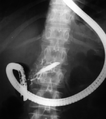 30 % of duodenoscopes, 24% of gastroscopes and 3% of colonoscopes have unacceptable level of “bio dirt” from previous clients bodies leading to a potential risk of infection according to a new study by researchers at 3M infection Prevention Division and presented at the 40th Annual Conference of the Association for Professionals in Infection Control and Epidemiology (APIC).