Gair, Gair, Conason, Rubinowitz, Bloom, Hershenhorn, Steigman & Mackauf is a New York Plaintiff's personal injury law firm specializing in automobile accidents, construction accidents, medical malpractice, products liability, police misconduct and all types of New York personal injury litigation.

Articles Tagged with medical malpractice lawyer

Published on:

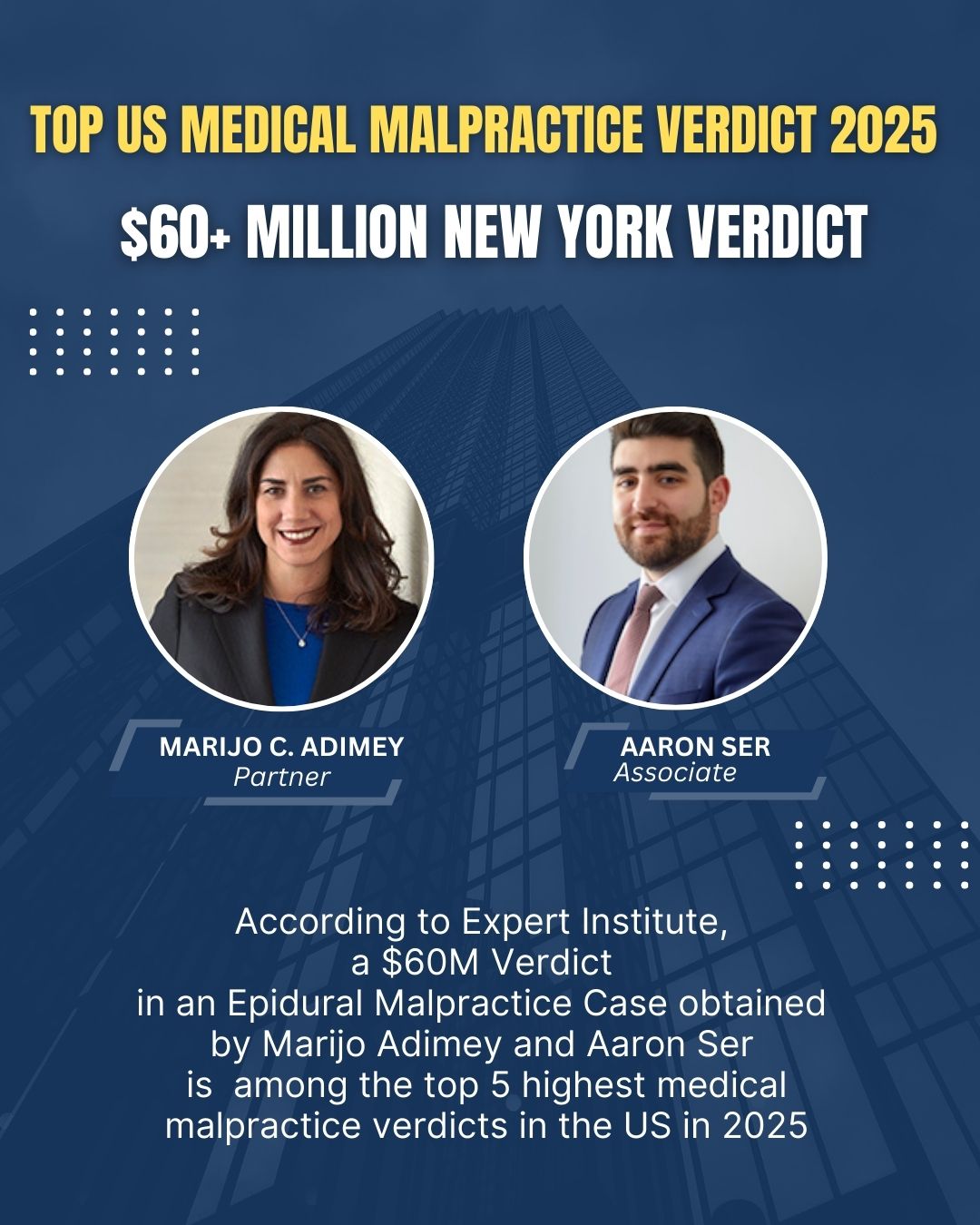
visual for a podcast on Medical Malpractice Lawyer Marijo Adimey on her recent $60 million verdictMedical malpractice trials are often cast as “battles of the experts.” But in this case, Marijo C. Adimey, partner at Gair, Gair, Conason, Rubinowitz, Bloom, Hershenhorn, Steigman & Mackauf, showed that the most powerful evidence isn’t just expert testimony—it’s the story jurors can see for themselves.

Through complex imaging, careful cross-examination, and relentless preparation, Adimey proved that “the treating doctor’s note in the patient’s chart cannot be right,” leading a Nassau County jury to return a record-setting $60 million verdict in favor of her client.

Inside the Trial with Gennady Volz and Marijo C. Adimey

Published on:

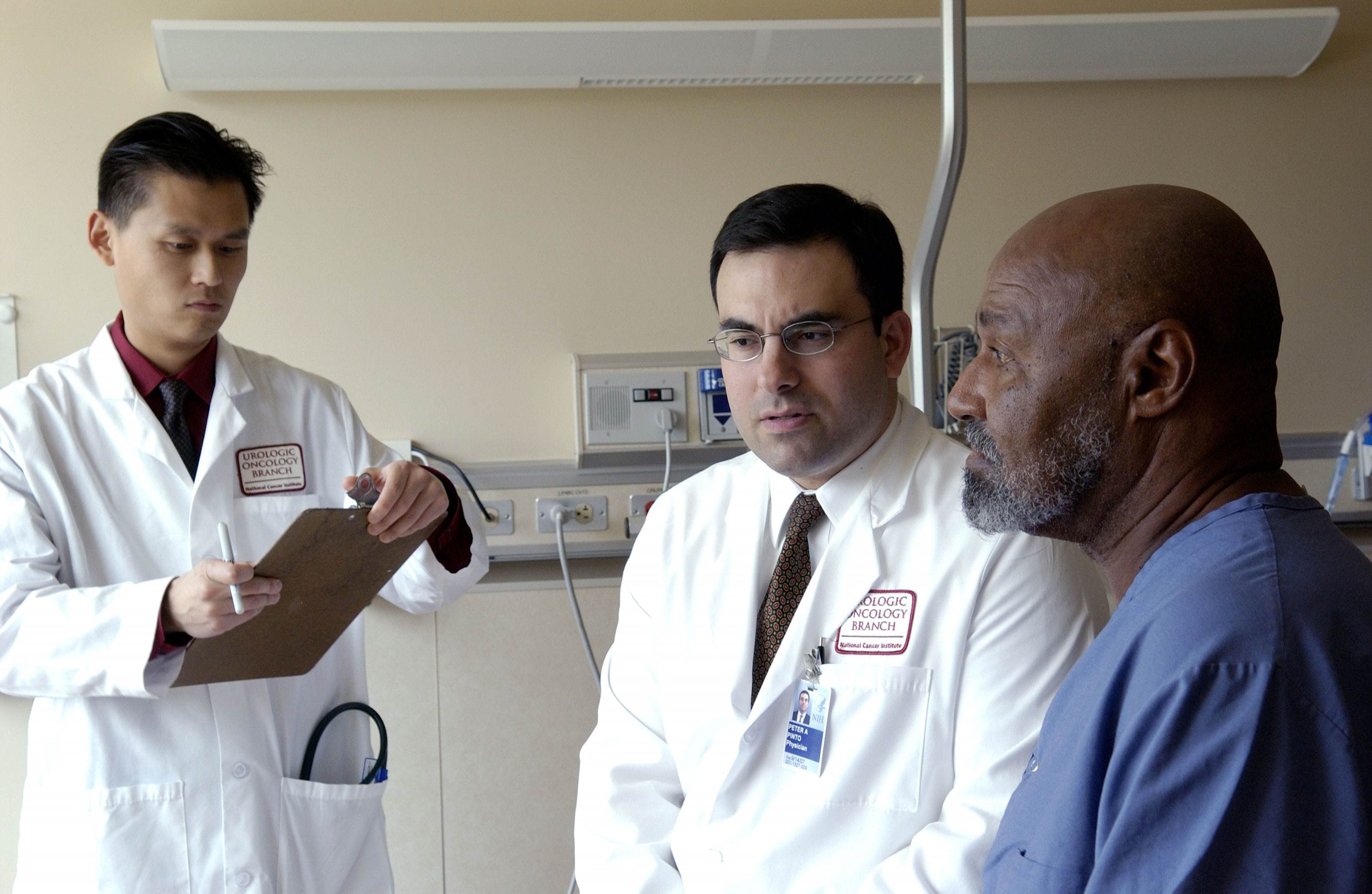
 Patient with DoctorsIn a case highlighted by The New Yorker—“If A.I. Can Diagnose Patients, What Are Doctors For? Large language models are transforming medicine—but the technology comes with side effects,” by Dhruv Khullar—we’re reminded how a missed diagnosis can spiral into life-altering harm and how patients increasingly turn to A.I. for answers when medicine falls short. The story of Matthew Williams, whose cecal volvulus was initially dismissed as “constipation,” illustrates both the stakes of diagnostic error and the complicated role A.I. now plays in modern care.

In 2017, Matthew Williams went from an active life to one shaped by fear of everyday foods after an emergency visit that clinicians dismissed as “probable constipation.” A missed diagnosis of cecal volvulus—an intestinal twist that cuts off blood flow and requires urgent surgery—cost him roughly six feet of intestine, and with it the ability to eat freely, social comfort, and a measure of his former life. Years of follow-up care, repeated consultations, and dietary restrictions followed before a simple experiment with an A.I. tool helped point toward a dietary explanation that clinicians had not identified.

How a missed diagnosis becomes medical malpractice

Published on:

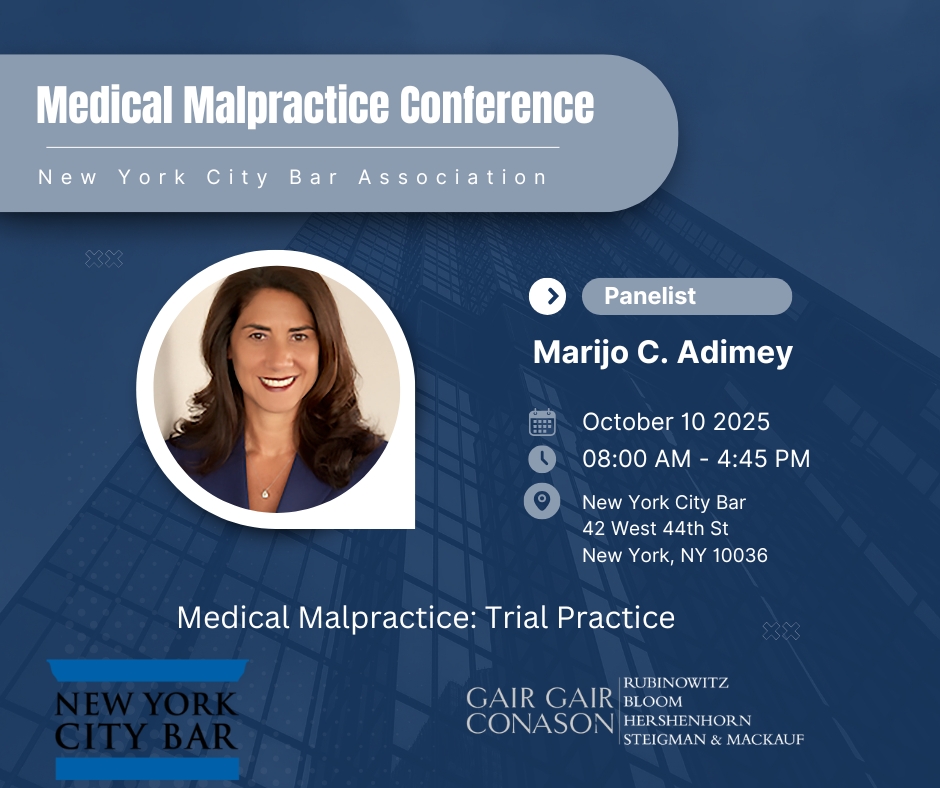
M Adimey Medical Malpractice (Facebook Post)Partner Marijo C. Adimey of Gair, Gair, Conason, Rubinowitz, Bloom, Hershenhorn, Steigman & Mackauf will be a panelist at the New York City Bar Association’s Medical Malpractice Conference on Friday, October 10, 2025.

She will join Hon. Tracy Catapano-Fox, Supreme Court, Queens County, and Adam Dulgacz, Heidell Pittoni Murphy & Bach, LLP, on the panel Medical Malpractice: Trial Practice. Together, they will share perspectives on trial strategy, jury dynamics, and a perspective from the bench,

Conference Overview

Published on:

Patients are at risk of technology hazardsArtificial intelligence is rapidly entering hospitals and clinics, powering devices that interpret imaging scans, assist with diagnoses, and monitor patient health in real time. While these tools hold enormous promise, a new study in JAMA Health Forum warns that many AI-enabled devices are being cleared for use without clinical validation — and those devices are significantly more likely to be recalled.

Why This Matters for Patient Safety

AI is increasingly trusted in critical areas of patient care. When these devices are rushed to market without real-world testing, the risks fall directly on patients:

Published on:

Hospitals across the country have been warned to immediately stop using certain Draeger mechanical ventilation filters after the U.S. Food and Drug Administration (FDA) issued a high-risk recall notice. The affected devices — SafeStar and TwinStar filters — are used during anesthesia and mechanical ventilation to prevent bacterial and viral contamination.

According to the FDA, the filters can cause misleading carbon dioxide readings during procedures. Carbon dioxide monitoring (capnography) is critical in surgery, particularly under anesthesia, as it helps ensure that a patient is ventilating properly. When readings are inaccurate, medical teams may administer unnecessary or harmful interventions — or fail to provide urgently needed care.

Scope of the Recall

Published on:

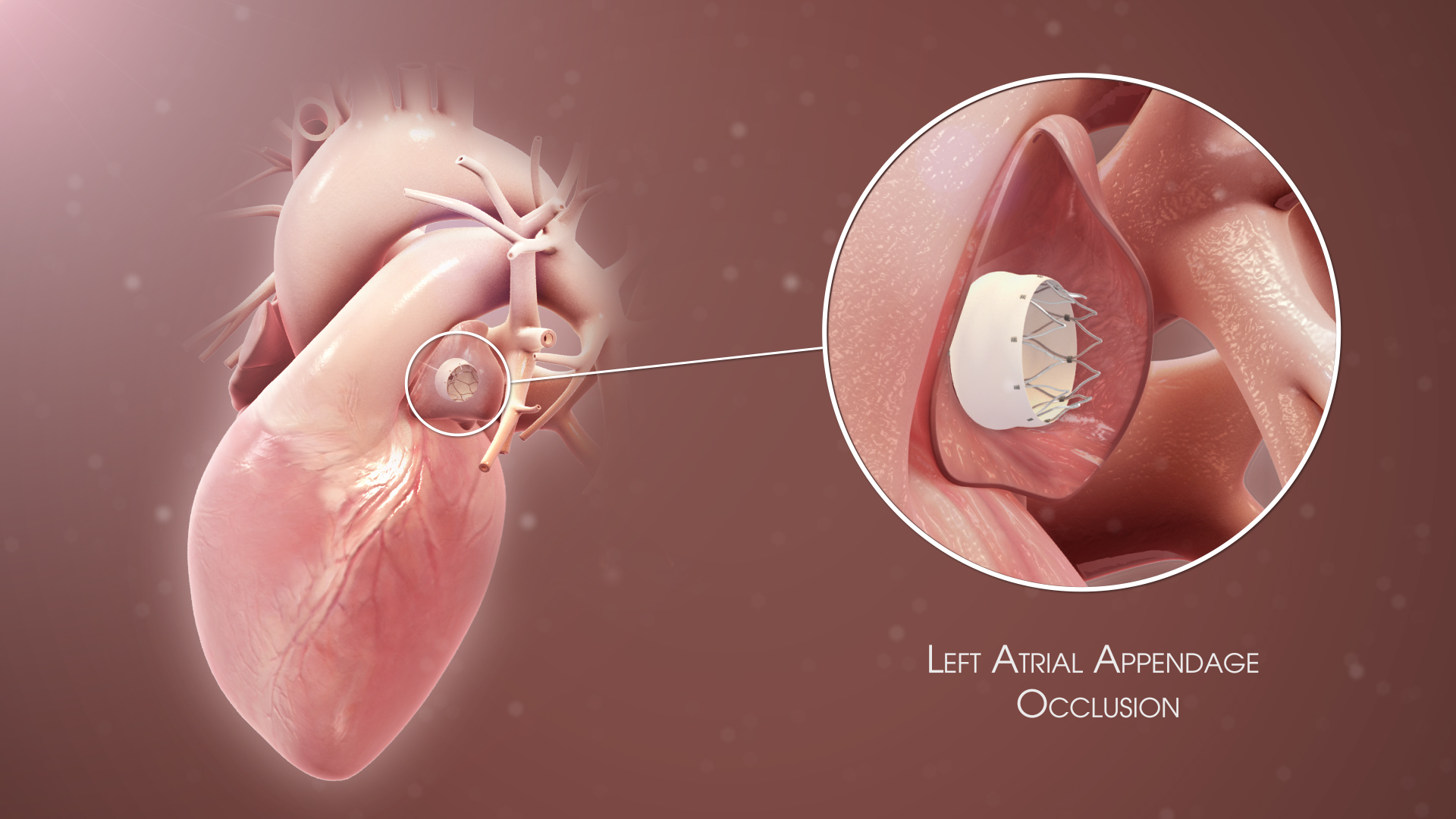
3D_Medical_Animation_of_Left_Atrial_Appendage_OcclusionBoston Scientific has issued updated instructions for products used in the implantation of its Watchman left atrial appendage closure device after the Food and Drug Administration (FDA) linked the procedure to 120 serious injuries and 17 patient deaths.

FDA Safety Alert Highlights Increased Risk Under Sedation

According to an FDA safety communication released on August 8, 2025, the updated instructions apply to the FXD Curve, Truseal, and Trusteer access systems—all of which are used to implant the Watchman device. The FDA warned that patients sedated but not placed on mechanical ventilation during the procedure face a heightened risk of air embolism, a dangerous condition caused when an air bubble enters the bloodstream.

Published on:

Stapler recalled by J&JFrom the Medical Malpractice and Product Liability Attorneys at Gair, Gair, Conason, Rubinowitz, Bloom, Hershenhorn, Steigman & Mackauf

Johnson & Johnson’s Ethicon division has issued a correction and Class 1 recall of its Echelon surgical stapler reload cartridges, following reports of a serious defect linked to at least one death and multiple injuries. The U.S. Food and Drug Administration (FDA) has confirmed that 678,526 units are affected by the recall, which involves staplers used to cut and staple tissue during surgery.

The FDA warned that the stapler may lock during use, failing to properly cut or seal tissue. This malfunction can result in the device becoming trapped in the patient, causing surgical delays, excessive bleeding, hemorrhagic shock, emergency conversion to open surgery, and even death.

Published on:

Veteran-Head_down-Wheelchair-NishapurBy the NYC Medical Malpractice Attorneys at Gair, Gair, Conason, Rubinowitz, Bloom, Hershenhorn, Steigman & Mackauf

Veterans of the United States Armed Forces face unique and complex health challenges—ranging from physical injuries sustained in combat to long-term psychological trauma. Yet in many civilian healthcare settings, these distinct needs are overlooked, leading to missed diagnoses, improper treatment, and in some cases, preventable harm. As the veteran population grows and more rely on non-military healthcare, these oversights are emerging as a serious patient safety concern.

Civilian Healthcare Providers Are Often Unprepared to Treat Veterans

Published on:

Common_Mens_Health_Concerns_2025As New York medical malpractice attorneys, we have seen firsthand how delayed diagnoses, improper screenings, and mismanaged care can have devastating consequences for male patients. In 2025, men continue to face serious health risks—including heart disease, cancer, stroke, and mental health issues—that demand timely, competent, and proactive medical attention. Unfortunately, when that care falls short, the outcome is too often life-altering or fatal.

1. Heart Disease

Heart disease remains the leading cause of death among men. It includes conditions like heart attacks and strokes—both of which can be fatal without prompt diagnosis and emergency care. High blood pressure, elevated cholesterol, diabetes, and smoking are key risk factors. Failure to monitor or manage these risk indicators may constitute medical negligence.

Published on:

Patients are at risk of technology hazardsOur Medical Malpractice Lawyers Explain How Data Breaches and Cyberattacks Are Endangering Patient Care in 2025

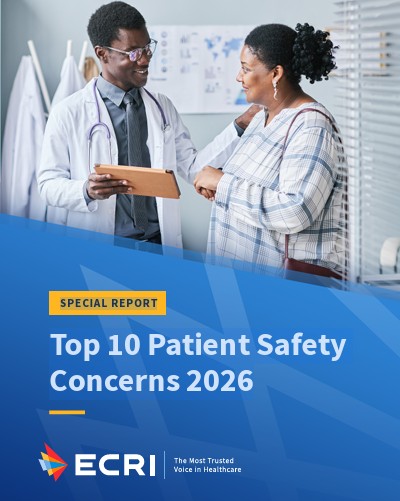
The landscape of healthcare risk continues to evolve, and in 2025, cybersecurity breaches have become one of the most pressing patient safety concerns. According to the most recent patient safety rankings, cybersecurity now ranks among the top threats to quality care in hospitals and healthcare systems across the United States.

As New York medical malpractice lawyers, we are seeing firsthand how data security failures can lead to devastating outcomes for patients and potential liability for healthcare providers.