 New York Personal Injury Attorneys Blog
Patient Safety Awareness Week: how to improve communication between patients and health care providers to mitigate harm?


 Medical errors and adverse events are among the leading causes of death and personal injury in the U.S. According to a recent study in the Journal of Patient Safety the number of premature deaths associated with preventable harm to patients is estimated at more than 400,000 per year. Serious harm seems to be 10- to 20-fold more common than lethal harm.
The patient safety awareness week is an annual campaign led by the National Patient Safety Foundation to create awareness about patient safety among healthcare providers and their patients. The campaign is running this week and the subject is “United in safety” . The emphasis is on better communication between healthcare providers and patients to reduce adverse events or medical errors.
Tomorrow Wednesday March 11th at 8:30 pm ET anyone interested can join a twitter chat on patient and family engagement using #PSAWunited to participate. People interested can also join a free webcast on patient safety on Thursday March 12th.
 To prescribe or recommend certain types of pain medicine to a pregnant woman can be medical malpractice that can result in miscarriage, birth defects or attention deficit hyperactivity disorder (ADHD).
 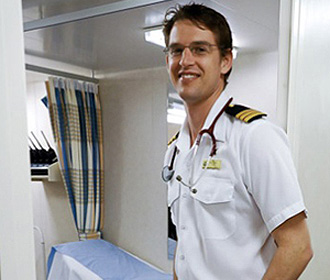 In 2011, the family of 82 year old Pasqualre Vaglio from New York sued a cruise line for medical malpractice after the medical staff on board
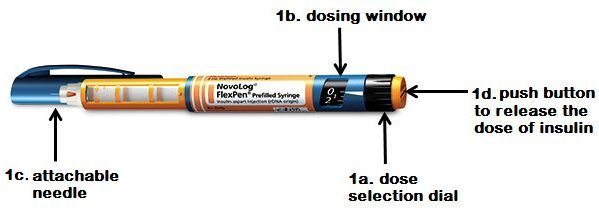
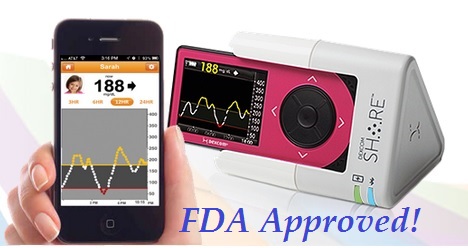
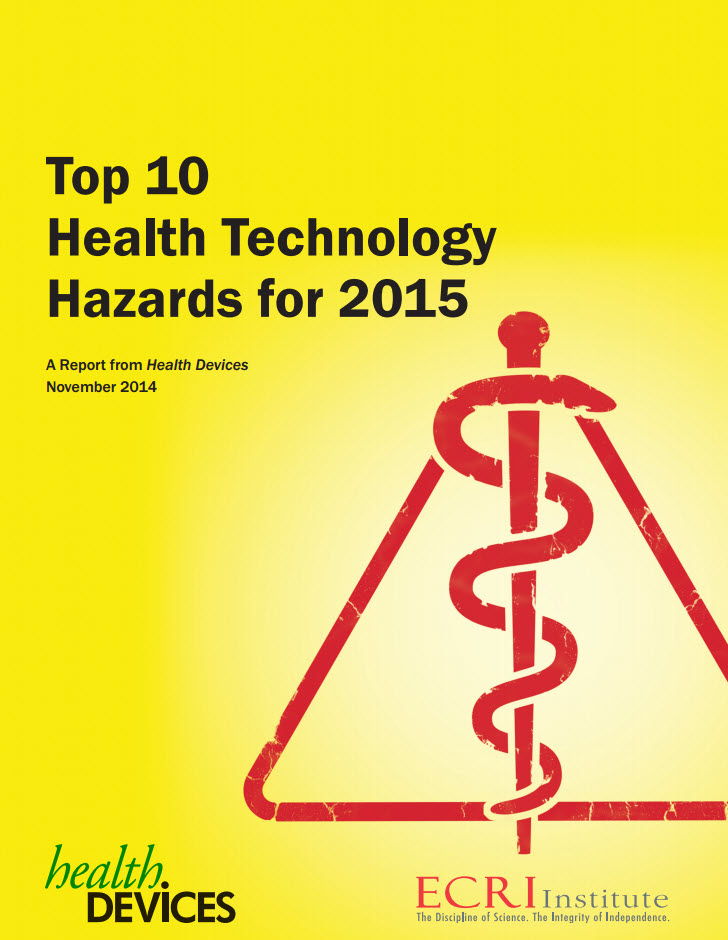 Device-related hazards can lead to medical malpractice. In its 2015 top 10 Health Technology hazards, ECRI Institute lists 10 safety topics deemed crucial for hospitals to address. Here is the list of the top 10 technology hazards;
