 New York Personal Injury Attorneys Blog
Musculoskeletal disorders and Injuries are the main cause of permanent disability among Construction Sheet Metal Workers


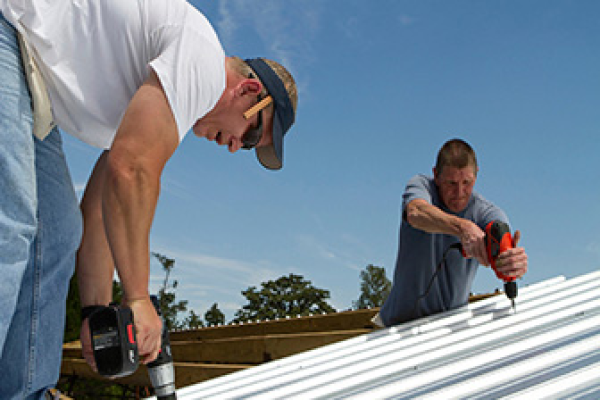 Among all construction workers, sheet metal workers have one of the highest risks of personal injury. Some of them are injured so badly that they are permanently disabled. A recent study published in the American Journal of Industrial Medicine provides an Analysis of Permanent Work Disability Among Construction Sheet Metal Workers. The authors Gavin H. West MPH1,*, Jaime Dawson MPH2, Claire Teitelbaum BA1, Rebecca Novello BA1, Katherine Hunting PhD, MPH2 and Laura S. Welch MD1,2 analyzed the pension records of disabled sheet metal workers to compare the causes of disabilities. They found out that 47% of the disabilities were related to Muskuloskeletal disorders (MSDs). 14% of them were related to circulatory diseases and 10 % were related to other injuries suffered at work.
Sheet metal workers are construction workers installing, repairing and maintaining heat and AC units or installing signs, rain gutters or roofs. They have one of the highest rate of non fatal personal injury among construction workers. The study indicates that these injuries are often related to working at heights and overexertion as well as manual material handling.




 ssed this year will include: distracted driving, interaction of side airbags for children in Child Restraint System (CRS) in the back seat, evaluation of side impact for children in CRS in the front seat, optimal recline angle for rear facing CRS and Consumer Report’s new child seat test protocol, efficiency of CRS recalls, LATCH use, Top Tether use, misuse and side impact, accident reconstruction and relation between New Car Assessment Programm (NCAP) and real world injuries.
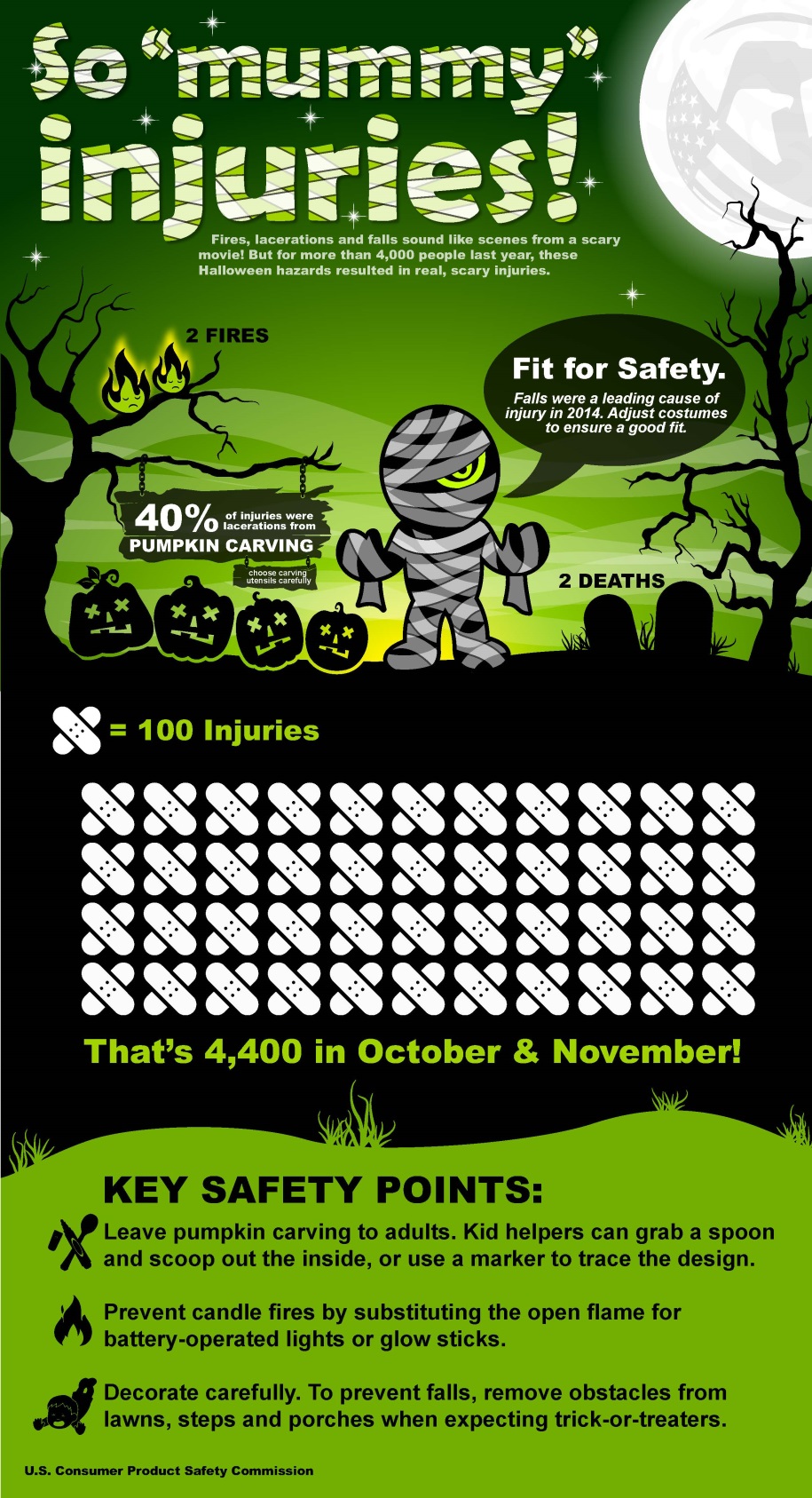 people died and 4000 suffered