Articles Posted in Surgical Errors & Complications
Trial Bible Podcast: How Marijo C. Adimey Turned Complex Medicine Into a Record-Setting $60 Million Medical Malpractice Verdict
Medical malpractice trials are often cast as “battles of the experts.” But in this case, Marijo C. Adimey, partner at Gair, Gair, Conason, Rubinowitz, Bloom, Hershenhorn, Steigman & Mackauf, showed that the most powerful evidence isn’t just expert testimony—it’s the story jurors can see for themselves.
Through complex imaging, careful cross-examination, and relentless preparation, Adimey proved that “the treating doctor’s note in the patient’s chart cannot be right,” leading a Nassau County jury to return a record-setting $60 million verdict in favor of her client.
Inside the Trial with Gennady Volz and Marijo C. Adimey
Cybersecurity and Patient Safety: A Growing Concern in Medical Malpractice Litigation
Our Medical Malpractice Lawyers Explain How Data Breaches and Cyberattacks Are Endangering Patient Care in 2025
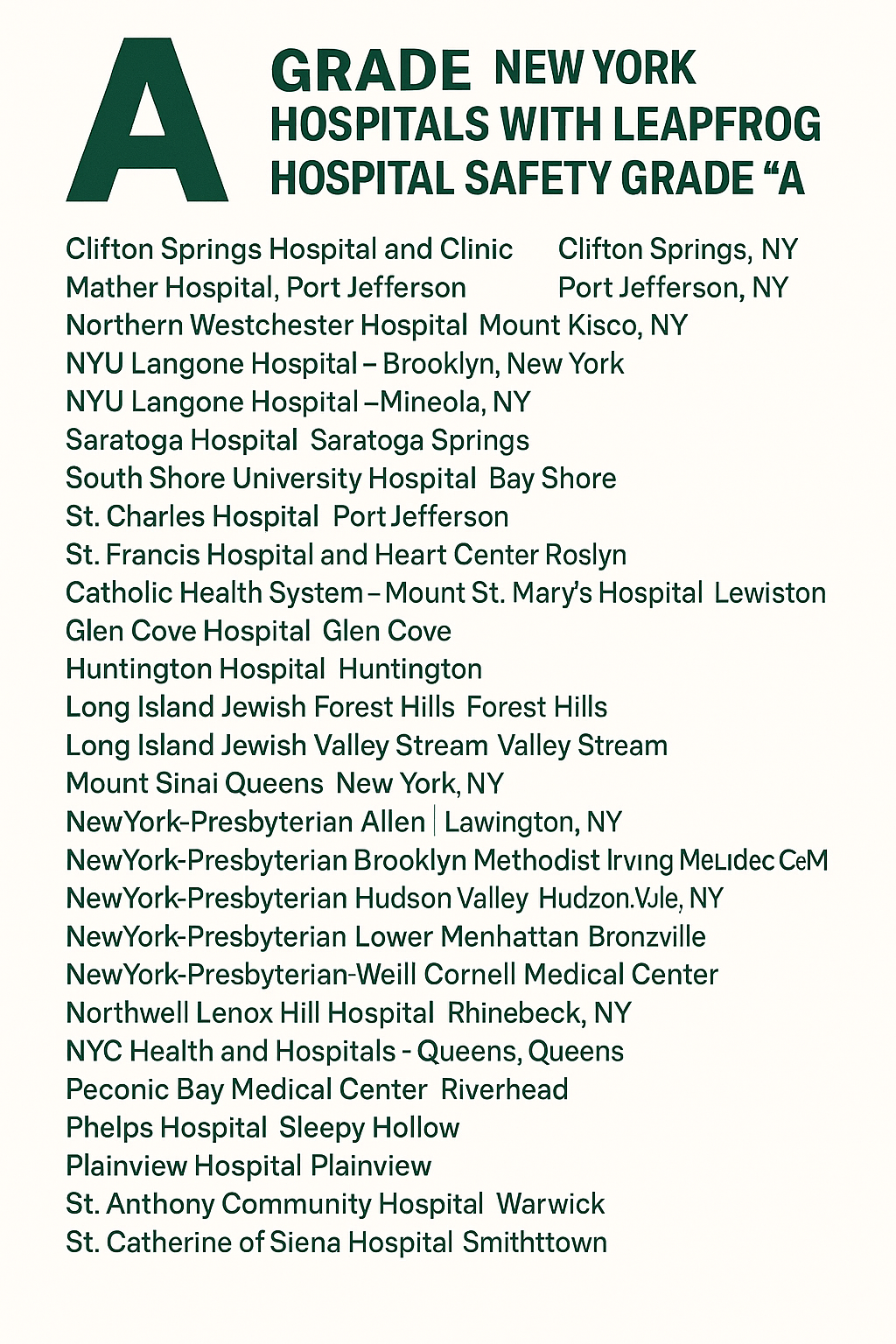
The landscape of healthcare risk continues to evolve, and in 2025, cybersecurity breaches have become one of the most pressing patient safety concerns. According to the most recent patient safety rankings, cybersecurity now ranks among the top threats to quality care in hospitals and healthcare systems across the United States.
As New York medical malpractice lawyers, we are seeing firsthand how data security failures can lead to devastating outcomes for patients and potential liability for healthcare providers.
Historic $60 Million Verdict Secured in Nassau County by Medical Malpractice Attorney Marijo Adimey
In a landmark victory for medical malpractice victims in New York, attorney Marijo C. Adimey of Gair, Gair, Conason, Rubinowitz, Bloom, Hershenhorn, Steigman & Mackauf has obtained what is believed to be the highest medical malpractice verdict ever recorded in Nassau County. The jury awarded a unanimous $60,033,041.23 to a 65-year-old electrical mechanic who was left permanently paralyzed following a routine epidural steroid injection.
The procedure took place on November 18, 2019 at the Pain Institute of Long Island. The injection, intended to treat common lower back pain, was administered by Dr. Robert Iadevaio. Within minutes of awakening from the procedure, the plaintiff suffered a spinal cord infarction that resulted in irreversible paraplegia, neurogenic bowel and bladder, neuropathic pain, and incontinence.
The plaintiffs’ legal team presented compelling evidence during trial, including spinal angiogram imaging suggesting an embolic stroke, and inconsistent with the medication listed in the physician’s records. It was alleged that a different medication — one not recommended for use and commonly known to pose a high risk of spinal infarct if accidentally introduced into an artery — was used instead, pointing to a grave error during the administration of the injection. The plaintiffs called experts in the field of Interventional Pain Medicine and Interventional Neuroradiology, who testified that based upon the spinal imaging and known mechanisms of spinal infarct, the physician’s procedure note could not have been accurate. The result was a life-altering injury that devastated not only the victim’s physical and mental health but also his family’s financial security and emotional well-being. Plaintiffs also called experts in the fields of Neurology, Life Care Planning, Psychiatry and Forensic Economics to present evidence of plaintiff’s profound damages.
Advocating for the Grieving Families Act: A Step Toward Justice and Accountability
Yesterday, our partner Christopher Donadio and his client Jose Marrero were featured on The Rush Hour on NY1 and interviewed by Annika Pergament. The segment highlighted the urgent need for the Grieving Families Act (GFA) and the devastating personal impact of New York’s outdated wrongful death laws. Jose Marrero shared his tragic story of losing his wife during a routine procedure at Maimonides Medical Center, underscoring the emotional toll on families who are left without fair recourse under current legislation.
The Grieving Families Act (GFA) aims to rectify one of the most longstanding injustices in New York law—the denial of wrongful death restitution for grief and emotional suffering. Under the current system, compensation is limited to the lost income of the deceased and any pain and suffering prior to death. This outdated approach often leaves families of children, stay-at-home parents, and elderly individuals without any restitution, perpetuating systemic inequities.
New Study Reveals High Rates of Preventable Surgical Adverse Events in U.S. Hospitals
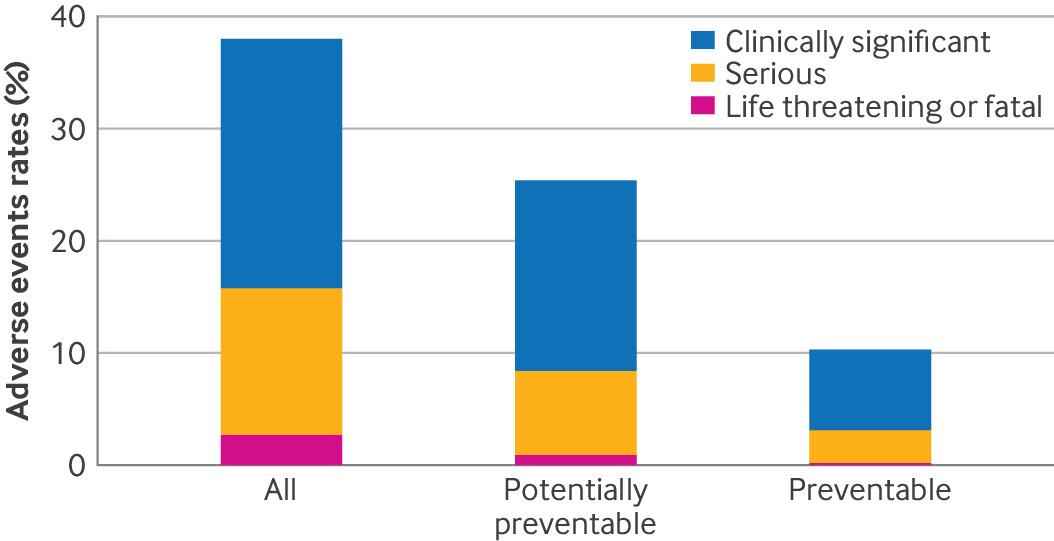
Recent findings published in the British Medical Journal (BMJ) have revealed alarming statistics about the safety of surgical care in hospitals. This extensive study, conducted across 11 U.S. hospitals, highlights the urgent need for improved safety measures to prevent adverse events during surgery. As medical malpractice attorneys, we understand the devastating impact such errors can have on patients and their families, especially when these adverse events are preventable.Knee replacement surgery: robotic versus conventional, what’s best for patients?
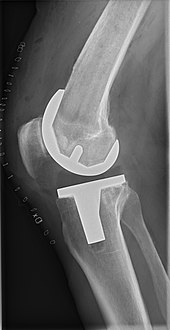
An investigation presented at the American Academy of Orthopaedic Surgeons meeting in February 2024, delivers a compelling narrative on the comparative outcomes of robotic-assisted knee replacement surgeries versus the conventional approach. As surgical malpractice attorneys entrenched in the intersection of medical innovation and patient outcomes, this study serves as a crucial touchstone for understanding the potential implications on patient care and legal practice.
At the heart of the discussion is the study’s revelation: robotic assistance in cementless total knee replacement surgeries does not significantly decrease the likelihood of patients requiring revision surgery within two years when compared to manual methods. This conclusion draws attention not only for its clinical implications but also for its potential to reshape perceptions of medical negligence in the context of emerging surgical technologies.
The research analyzed 9,220 cementless total knee arthroplasty (TKA) procedures recorded in the American Joint Replacement Registry from January 2017 to March 2020. The finding that both robotic-assisted and manual knee replacements had similar rates of implant loosening and infection challenges the narrative that robotic assistance inherently enhances surgical precision and patient outcomes.
Post surgical complication risks when surgeons use Acellular Dermal Matrix (ADM) in implant-based breast reconstruction

The off-label use of Acellular Dermal Matrix (ADM) products in implant-based breast reconstruction can result in post surgical complications and problems for patients up to two years after the surgery according to a recent analysis by the FDA.
Off-label use not approved by FDA
Accellular Dermal Matrix is a type of surgical mesh that is developed from human or animal skin. It has been approved by the FDA for specific use such as hernia surgery and more recently many surgeons specializing in breast reconstruction after a mastectomy have been using the product off-label. The off-label use of ADM for breast reconstruction has never been approved by the FDA and a recent analysis found that some patients suffered complications up to two years after the surgery.
Surgical malpractice: what are the most common errors and how to avoid them?
More than 40 million Americans are undergoing surgery every year. An estimated 35.8 million of them will immediately return home after having their surgery performed in a freestanding ambulatory surgery center or in a hospital-based outpatient setting. Another 7 million will be required to stay at the hospital after their surgery. While most patients fully recover from their surgery without problems some of them will suffer from surgical complications or errors. It is estimated that around 14% of surgical patients encounter at least one adverse event.
In a recent study, the ECRI and the Institute for Safe Medication Practices took a close look at surgical malpractice and analyzed 2,400 surgical adverse events that were recently reported to them. Among these 2,400 reported surgical malpractice events, researchers found that 1,561 of them were relevant. They found that 478 of them (31%) were complications related to the surgery, 460 (29%) of them were adverse events related to patient and operating room readiness, 377 (24%) were retained surgical items, 102 (6.5%) were contaminations, 80 (5.1%) were adverse events caused by equipment failure and 64 (4.1) were wrong surgeries.
To reduce these adverse events, the ECRI recommended the following strategies:
The story of Dr. Death illustrates how the medical system is failing to protect patients from medical malpractice
Last year a neurosurgeon was sentenced to life in prison after it was found that he committed medical malpractice and butchered 33 of the 37 patients he operated on, including two who didn’t survive. His name is Christopher Duntsch. After he was arrested in Dallas, his story was covered by all the local media who nicknamed him Dr. Death. A few days ago, ProPublica released the result of an in-depth investigation on his story and describes how the case had to be taken to the criminal system because the medical system wasn’t working and patients couldn’t be protected.
After an unsuccessful beginning of a career as a football player, Duntsch decided to become a neurosurgeon. He was able to get his undergraduate degree and to enroll at the University of Tennessee at Memphis College of Medicine to get an M.D. and a P.H.D. During his surgical residency, with a few partners, he launched DiscGenics, a company that was developing and selling disc stem cells.
Duntsch also developed a terrible cocaine habit and had the reputation of being a party animal. He would often do cocaine and alcohol all night and go straight to his residency to the hospital. His partners at DiscGenics worried about it and forced him out of the business.
New York Personal Injury Attorneys Blog