Gair, Gair, Conason, Rubinowitz, Bloom, Hershenhorn, Steigman & Mackauf is a New York Plaintiff's personal injury law firm specializing in automobile accidents, construction accidents, medical malpractice, products liability, police misconduct and all types of New York personal injury litigation.

Articles Tagged with hospital negligence

Published on:

cover of the top 10 patient safety concern ECR 2026 reportA newly released report by the ECRI and the Institute for Safe Medication Practices identifies the most serious threats to patient safety expected to impact healthcare in 2026. The annual Top 10 Patient Safety Concerns report underscores a troubling reality: despite decades of reform efforts, preventable harm remains deeply embedded in the American healthcare system.

According to the report, medical errors and other preventable adverse events cost U.S. hospitals approximately $17.1 billion every year. Another $4.6 billion annually is linked to physician burnout. When the broader consequences of unsafe care are considered, including additional treatment required after medical errors, as much as 12.6% of total healthcare spending in high-income countries may be devoted to managing the aftermath of unsafe care.

From the perspective of our New York medical malpractice attorneys, these numbers highlight a persistent systemic problem. Preventable medical errors are not rare anomalies. They often arise from failures in hospital systems, staffing, communication, and oversight.
Published on:

Patients are at risk of technology hazardsOur Medical Malpractice Lawyers Explain How Data Breaches and Cyberattacks Are Endangering Patient Care in 2025

The landscape of healthcare risk continues to evolve, and in 2025, cybersecurity breaches have become one of the most pressing patient safety concerns. According to the most recent patient safety rankings, cybersecurity now ranks among the top threats to quality care in hospitals and healthcare systems across the United States.

As New York medical malpractice lawyers, we are seeing firsthand how data security failures can lead to devastating outcomes for patients and potential liability for healthcare providers.

Published on:

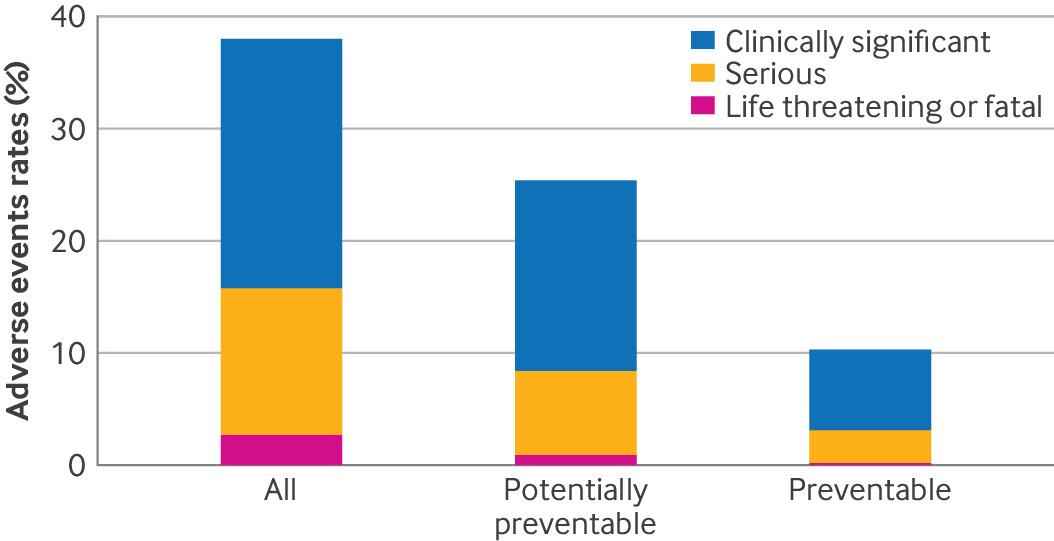
percentage of adverse events for patients undergoing surgeryRecent findings published in the British Medical Journal (BMJ) have revealed alarming statistics about the safety of surgical care in hospitals. This extensive study, conducted across 11 U.S. hospitals, highlights the urgent need for improved safety measures to prevent adverse events during surgery. As medical malpractice attorneys, we understand the devastating impact such errors can have on patients and their families, especially when these adverse events are preventable.

Key Findings: Nearly 40% of Surgical Patients Experience Adverse Events

According to the study, adverse events were identified in 38% of patients admitted for surgery. Even more concerning, nearly 16% of these patients suffered major adverse events that resulted in significant harm, prolonged recovery, or even death. The study used a comprehensive review of medical records to assess over 1,000 patients, highlighting the severity and preventability of these adverse incidents.

Published on:

Patients have higher risks in hospitals acquired by private equityA recent investigation published in JAMA has sparked serious concerns within the healthcare community, especially among those of us in the field of medical malpractice law. This study reveals that patients are significantly more likely to experience adverse events, such as infections or falls, in hospitals owned by private equity (PE) firms.

Increased Risks for Patients

The study highlights a 25% increase in hospital-acquired conditions among Medicare beneficiaries admitted to PE hospitals. Patients have a nearly  38% increased chance of experiencing a central line infection and a 27% higher likelihood of falls in PE-backed hospitals compared to control facilities.

Published on:

Montefiore Logo

The family of Sary Mao, a Khmer-speaking Cambodian refugee, is seeking justice and closure after her body went undiscovered for five days following her tragic death due to a heart attack. The incident occurred at Montefiore’s Family Health Center in The Bronx, NYC.

As medical malpractice attorneys, our professional focus is on advocating for individuals suffering from medical negligence. The recent incident at Montefiore’s Family Health Center in The Bronx, where the body of Sary Mao went undiscovered for five days following her heart attack, resonates deeply with the issues we encounter in our work

In any medical malpractice case, the concept of the “duty of care” is fundamental

Published on:

New York Presbyterian Queens covered up sexual abuse As doctor sexual abuse attorneys in the heart of New York City, we are committed to fighting for the rights of survivors and seeking justice against those people who have caused harm and those institutions, hospitals, schools and religious entities that facilitated the harm. Today, we bring to your attention a deeply disturbing case involving Dr. Zhi Alan Cheng, a physician at a major New York City hospital, who has been accused of perpetrating heinous sexual abuse against multiple victims in the hospital.

Dr. Cheng was arrested in December 2022 and has been charged with first-degree rape after allegedly drugging and raping women in the hospital and his own apartment. Incredibly, while Dr. Cheng awaits trial on Rikers Island, another victim has recently come forward accusing Dr. Cheng of sexual assault in 2021 at New York Presbyterian Hospital Queens where he was employed as a physician. The hospital faces accusations of covering up this abhorrent crime, failing to report it to the authorities, and neglecting to take appropriate disciplinary measures against Dr. Cheng.

Seeking Justice for Sexual Abuse Survivors

Published on:

Surgery at HospitalWhile too many hospitals in the US are sacrificing patient safety for profit, a small number of them are dedicated to focus on healthcare safety and quality.

NYU Langone Hospitals in New York, NY, Gouverneur Hospital in Gouverneur, NY, White Plains Hospital in White Plains, NY and NYU Langone Hospital Long Island in Mineola, NY are the only 4 hospitals in New York state that have been included in the Best Hospitals in America compiled by Money and the Leapfrog Group.

The Leapfrog Group is a nonprofit organization helping consumers to make informed decision. To be part of the list, hospitals that previously received a A grade from a previous assessment went through an additional assessment of  39 performance measures in the 7 following categories:

Published on:

cyber attack can arm patientsHospitals are one of the favorite targets of ransomware hackers because hospitals simply can’t afford to have their IT down as it can cause severe harm or even death to patients. As a result when a hospital  has its systems blocked by hackers it might be more willing to pay a ransom than any other type of organization in order to get their systems working again.

Recently, a debt collection company working with 657 healthcare providers announced that it had been the victim of a cyber attack. Hackers were able to obtain patients information including their name, address, social security number and medical information. It is unclear so far how many patients have been affected but this might have been of of the largest healthcare data breach of 2022.

CISA warns hospitals and healthcare providers of Maui ransomware

Published on:

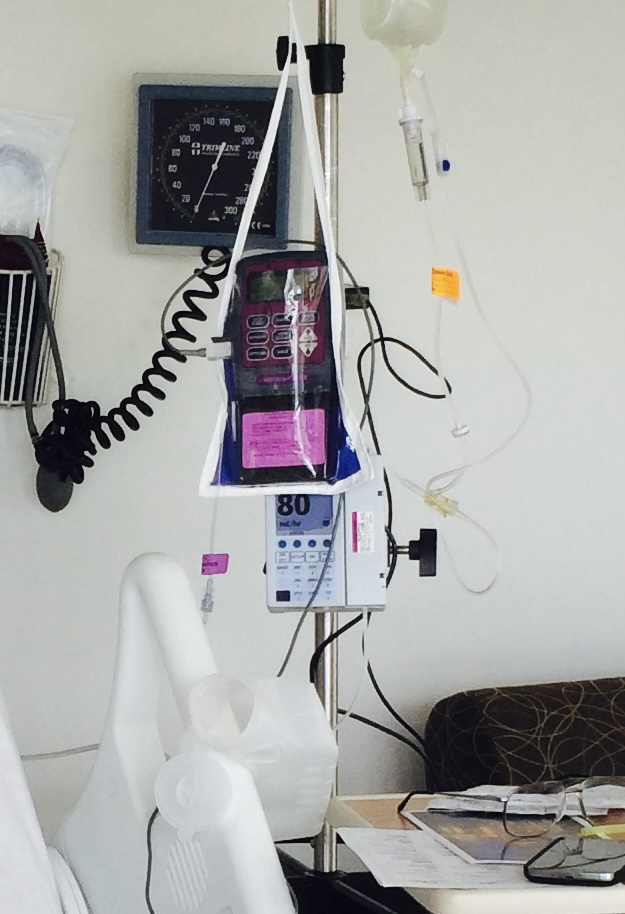
Infusion pumps are at risk of cyber attacks75% of infusion pumps used by hospitals and other healthcare providers are at risk of being compromised by hackers and as a result can cause harm to patients or expose sensitive data.

Infusion pumps are some of the most commonly used medical devices and some big hospitals are managing thousands of these devices. A recent study by Palo Alto Networks’ Unit 42, looked at 200,000 infusion pumps manufactured by 7 different companies and being used by multiple hospitals and healthcare organizations that are all using IOT Security to monitor their medical devices.

Researchers found that an alarming number of these devices were highly vulnerable to cyber attacks with 40 known security gaps identified among the devices. Additionnally, 70 types of alert messages received from  these devices through the IOT security network where identified as messages related to security issues.  Most vulnerabilities identified were leakage of sensitive information and unauthorized access causing the device to become unresponsive.

Published on:

Hospital PatientMost medical devices used by hospitals are legacy devices that are still operating on Windows 7 that Microsoft no longer supports.  Manufactured at a time when cybersecurity was not a preoccupation, these devices can now easily be hacked and potentially be dangerous to patients. As a result, on top of safeguarding traditional IT assets, hospitals now have to figure out a way to secure tens of thousands of legacy devices from hundreds of manufacturers connected to their network.  It is a real headache for most hospitals and healthcare organizations as many of them do not even keep an inventory of their medical devices. According to a recent study only 36% of healthcare organizations know where their medical devices are.

While some devices that can cause fatal injuries, such as insuline pumps or pacemakers, are being actively monitored and recalled by the FDA, it is estimated that all other medical devices have an average of more than 6 vulnerabilities per device and that 40% of devices used by hospitals are at the end-of-life stage and do not have security patches or upgrades available.

Not surprisingly, FDA regulations in this field are lagging with the agency only saying both hospitals and manufacturers are responsible for protecting devices from cyber attacks. Hospitals are pointing fingers at manufacturers for not providing the necessary support and want the FDA to mandate lifetime support of medical devices by manufacturers.  So far, the further the FDA went was to publish post-market guidance for medtechs on what they should do to secure their products. This is not enough as hospitals find themselves dealing with thousands of devices that they are supposed not only to track but also patch to prevent cyberattacks. With the ongoing Covid19 crisis, hospitals are unable to handle this task and as a result they become increasingly vulnerable to cyberattacks that could injure or kill patients.