Gair, Gair, Conason, Rubinowitz, Bloom, Hershenhorn, Steigman & Mackauf is a New York Plaintiff's personal injury law firm specializing in automobile accidents, construction accidents, medical malpractice, products liability, police misconduct and all types of New York personal injury litigation.

Articles Posted in Hospital Negligence

Published on:

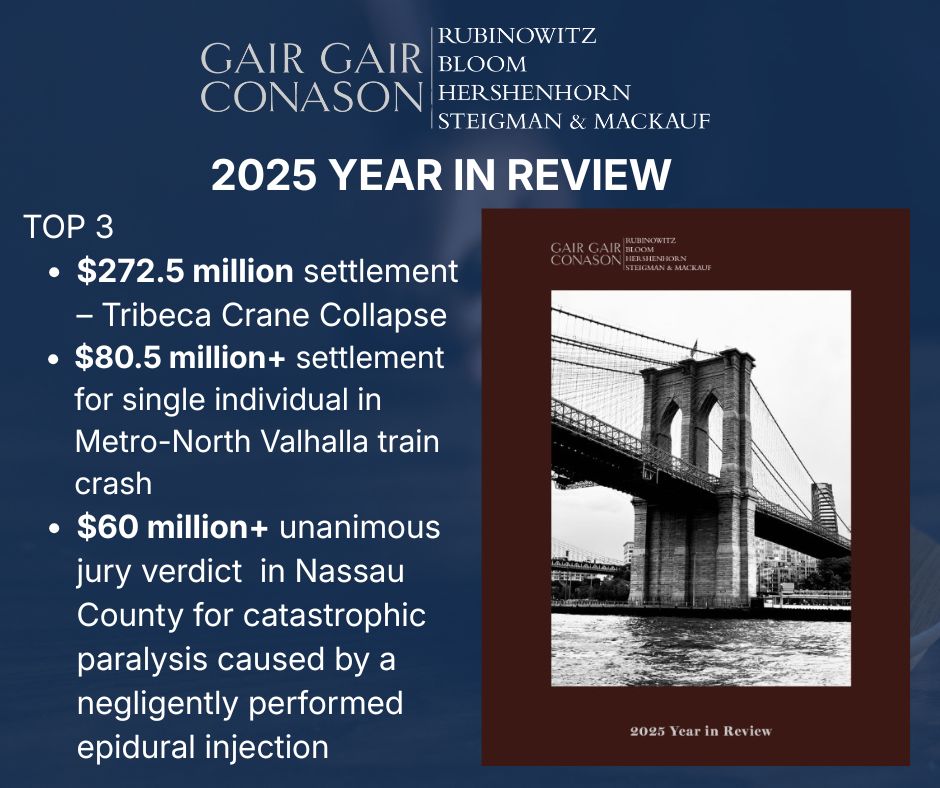
2025 year in review for the NYC personal injury law firm of Gair, Gair, Conason, Rubinowitz, Bloom, Hershenhorn, Steigman & MackaufThe 2025 Year in Review documents another extraordinary year for the NYC personal injury law firm of Gair, Gair, Conason, Rubinowitz, Bloom, Hershenhorn, Steigman & Mackauf, marked by record-setting verdicts, precedent-shaping settlements, and litigation that advanced safety and accountability across New York.

Throughout 2025, the firm secured results in cases involving catastrophic injury, wrongful death, medical malpractice, construction accidents, transportation disasters, premises liability, and sexual abuse, many of which rank among the most significant outcomes in New York State history.

Record-Setting and Notable 2025 Results

Published on:

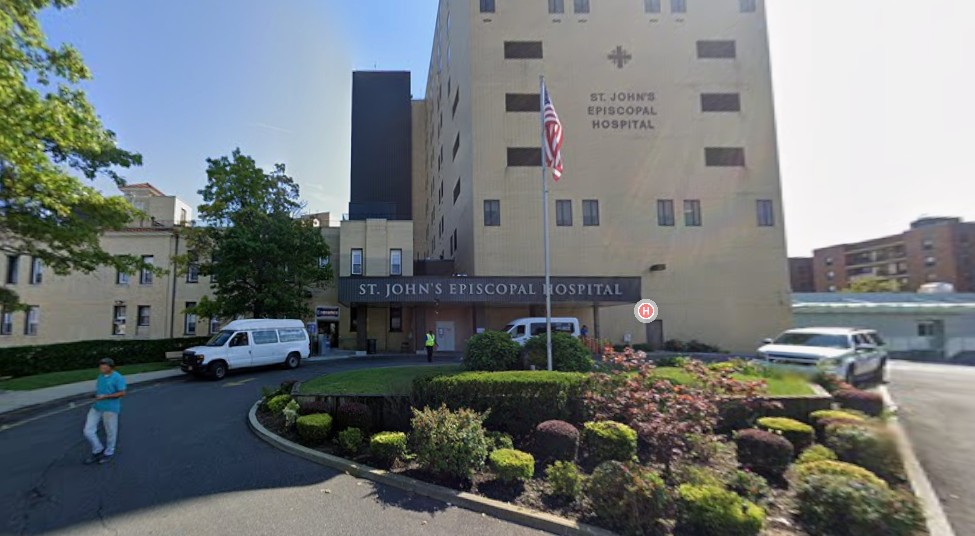
St John's episcopal hospital has a D ratingSt. John’s Episcopal Hospital in Far Rockaway recently received a “D” rating from the Leapfrog Group, a nationally recognized nonprofit that evaluates hospital safety using objective, data-driven measures. Leapfrog safety grades focus on preventable medical harm—including infections, staffing, surgical safety, and outcomes—not bedside manner or community reputation.

This article is part of a broader series examining every New York City hospital rated by the Hospital Safety Grade program of The Leapfrog Group—not only top-rated institutions, but also those receiving failing grades. Drawing on the experience of our NYC medical malpractice lawyers, the goal is to help patients and families understand what these grades mean in real-world terms and how hospital safety data can affect clinical outcomes.

While St. John’s performs well in several important areas, the Leapfrog data reveals systemic safety gaps that likely contributed to its low overall grade. For patients and families, understanding these risks is critical.

Published on:

Candida-aurisA dangerous, drug-resistant fungus is spreading through hospitals and nursing homes in New York, New Jersey, and across the country, placing vulnerable patients at heightened risk. According to recent reporting by CBS New York, cases of Candida auris—often described as a “superbug”—have surged dramatically, with more than 7,000 infections reported nationwide in 2025 alone.

From the perspective of our nursing home negligence lawyers and hospital negligence attorneys, this trend raises urgent legal and patient-safety questions about infection control, early detection, and accountability within healthcare facilities.

What Is Candida auris and Why Is It So Dangerous?

Published on:

Image
As New York medical malpractice lawyers, we regularly review hospital safety data, litigation patterns, and publicly reported outcomes to understand where patients are most at risk for preventable harm. This article is part of a broader series examining every New York City hospital rated by the Hospital Safety Grade program of The Leapfrog Group—not just top-rated institutions, but also those receiving failing grades.

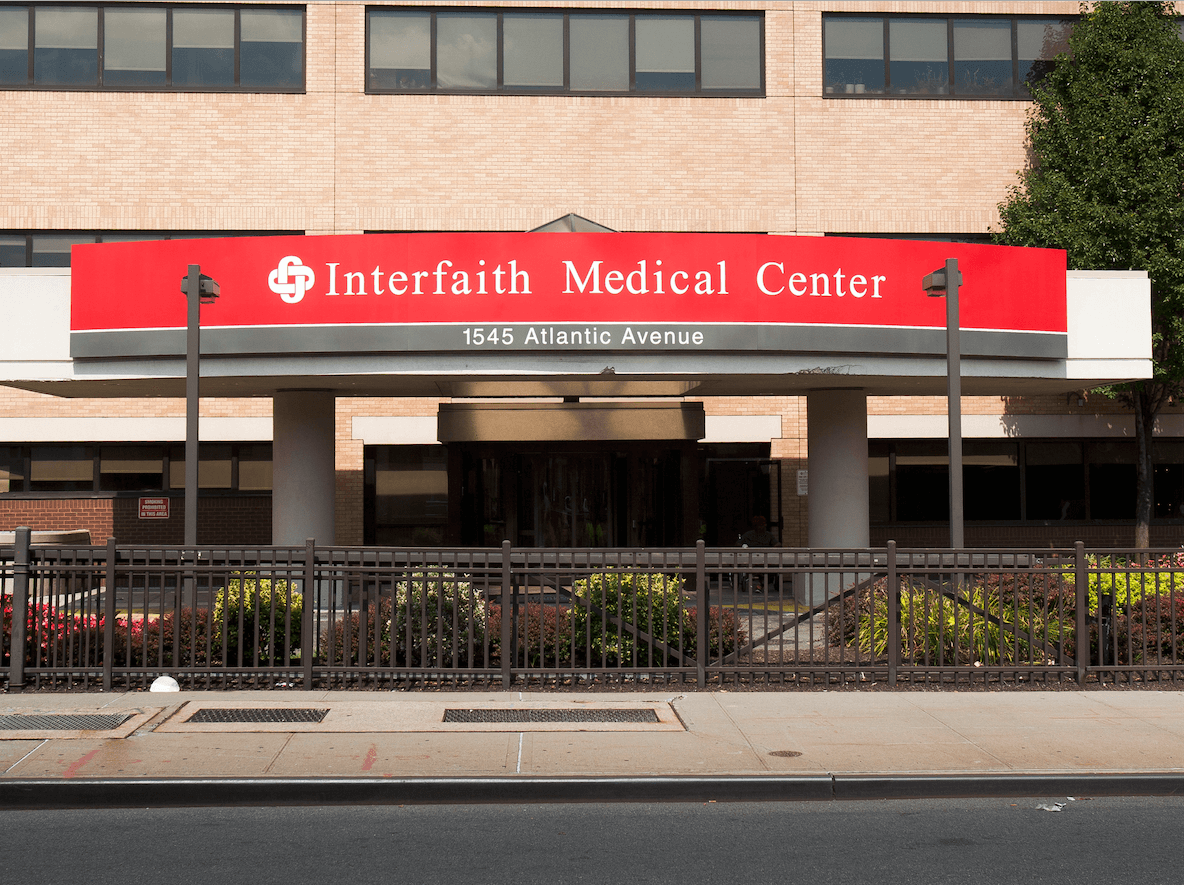
Interfaith Medical Center received a “D” Hospital Safety Grade in Leapfrog’s most recent reporting period (Fall 2025). From a malpractice perspective, that designation matters and should prompt patients to ask careful, informed questions before undergoing treatment.

A “D” grade does not mean that every doctor at the hospital is negligent or that every patient will be harmed. It does mean that, based on Leapfrog’s methodology, the hospital presents a higher overall risk profile, particularly in categories most closely tied to serious medical malpractice cases.

Published on:

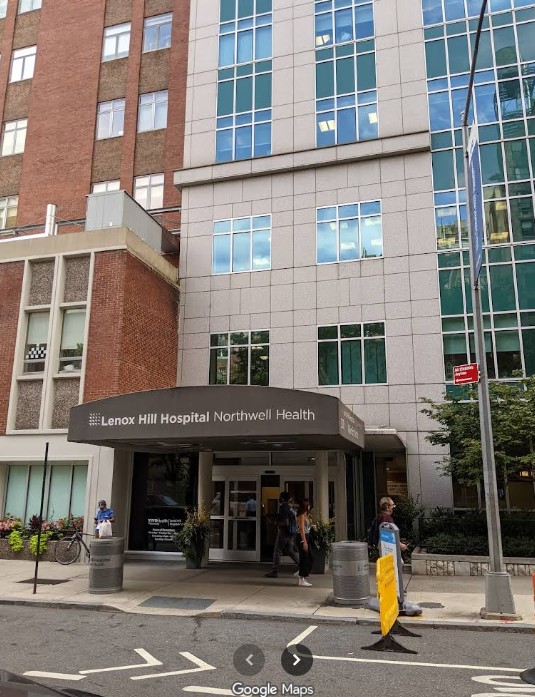
Lenox Hill Hospital named Top Hospital by LeapfrogEach year, The Leapfrog Group recognizes hospitals that demonstrate the highest level of patient safety and quality of care with its Top Hospital Award. These hospitals have stronger systems in place to prevent medication errors, deliver safer maternity care, and reduce hospital-acquired infections—factors directly tied to patient outcomes.

To qualify, hospitals must first earn an “A” Hospital Safety Grade in Leapfrog’s most recent scoring cycle and then meet strict, data-driven criteria under Leapfrog’s annual Top Hospital Methodology. There is no cap on the number of recipients; any hospital that meets the standard is honored.

Yet in 2025, only a small number of hospitals in New York State reached that benchmark.

Published on:

From our New York medical malpractice lawyers

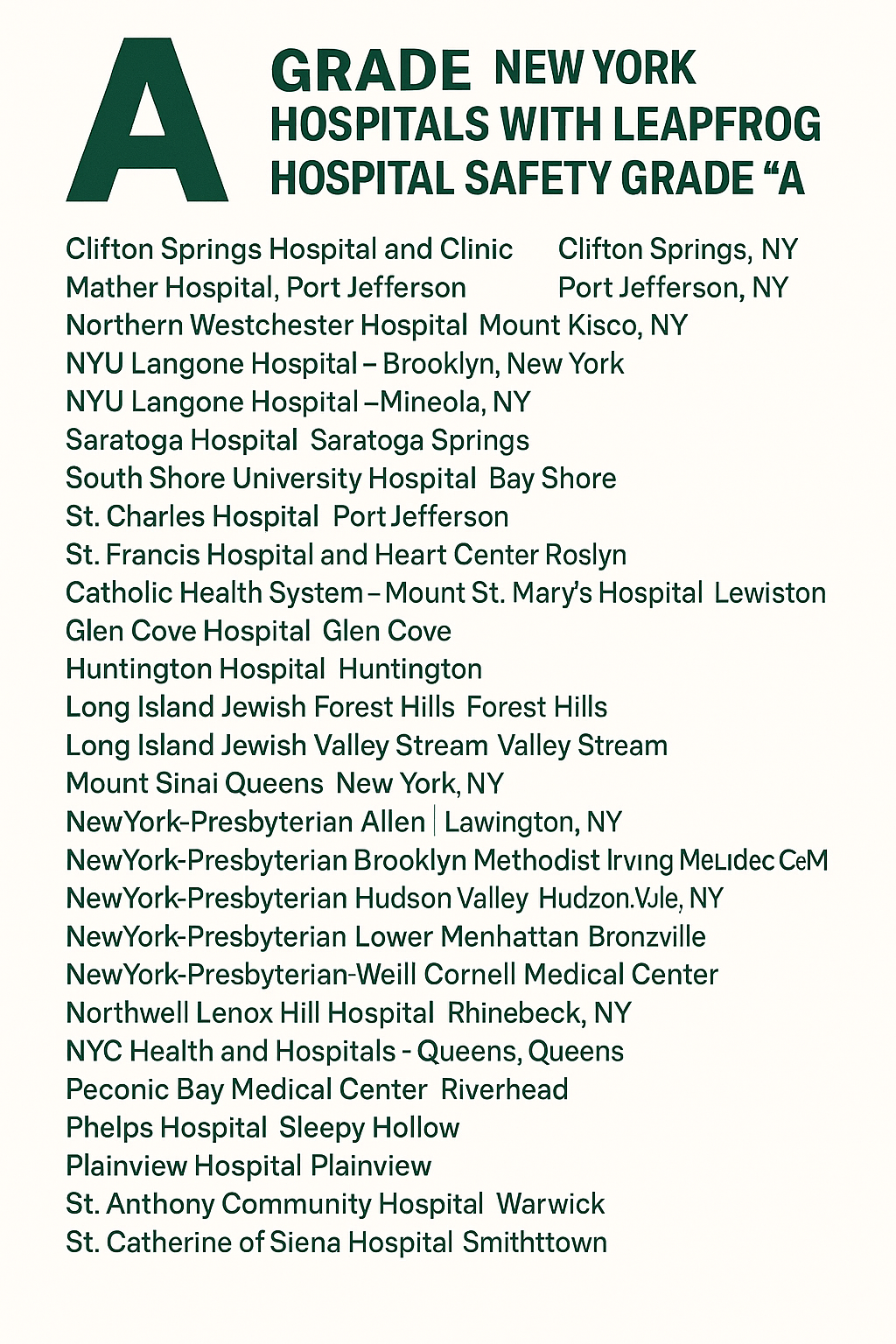
When the Leapfrog Group released its Fall 2025 Hospital Safety Grades on November 13, 2025, New York patients were given a stark reminder of how uneven hospital safety can be across the state. Out of 143 New York hospitals, only 33 earned an “A”, while 16 received a “D” and 2 were given a failing “F” grade.

A grade hospital NY

For patients and families who have  suffered serious harm in a hospital, these grades are not just abstract numbers – they can be powerful evidence of broader patient safety problems and systemic negligence.

Published on:

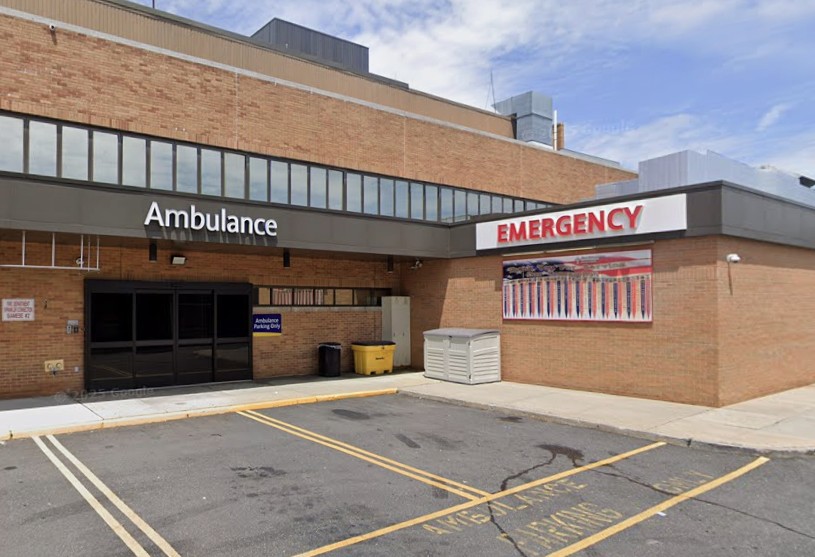
The emergency room at Mercy Hospital in RockvilleA shocking incident at Mercy Hospital in Rockville Centre has once again highlighted serious concerns about hospital safety and staffing standards. According to CBS New York, 62-year-old security guard Gardy Coriolan remains on life support after being brutally assaulted by a patient while working an overnight shift in the hospital’s emergency department.

Security Concerns and Staffing Shortages

Mr. Coriolan, a retired Department of Correction officer and school security professional, had reportedly expressed concerns about inadequate staffing levels in the hospital’s emergency unit prior to the attack. His wife, Sonya Coriolan, told reporters that her husband had repeatedly warned that three security officers were not enough to handle volatile situations in a busy emergency room, particularly when psychiatric patients were involved.

Published on:

Patients are at risk of technology hazardsOur Medical Malpractice Lawyers Explain How Data Breaches and Cyberattacks Are Endangering Patient Care in 2025

The landscape of healthcare risk continues to evolve, and in 2025, cybersecurity breaches have become one of the most pressing patient safety concerns. According to the most recent patient safety rankings, cybersecurity now ranks among the top threats to quality care in hospitals and healthcare systems across the United States.

As New York medical malpractice lawyers, we are seeing firsthand how data security failures can lead to devastating outcomes for patients and potential liability for healthcare providers.

Published on:

percentage of adverse events for patients undergoing surgeryRecent findings published in the British Medical Journal (BMJ) have revealed alarming statistics about the safety of surgical care in hospitals. This extensive study, conducted across 11 U.S. hospitals, highlights the urgent need for improved safety measures to prevent adverse events during surgery. As medical malpractice attorneys, we understand the devastating impact such errors can have on patients and their families, especially when these adverse events are preventable.

Key Findings: Nearly 40% of Surgical Patients Experience Adverse Events

According to the study, adverse events were identified in 38% of patients admitted for surgery. Even more concerning, nearly 16% of these patients suffered major adverse events that resulted in significant harm, prolonged recovery, or even death. The study used a comprehensive review of medical records to assess over 1,000 patients, highlighting the severity and preventability of these adverse incidents.

Published on:

Patients have higher risks in hospitals acquired by private equityA recent investigation published in JAMA has sparked serious concerns within the healthcare community, especially among those of us in the field of medical malpractice law. This study reveals that patients are significantly more likely to experience adverse events, such as infections or falls, in hospitals owned by private equity (PE) firms.

Increased Risks for Patients

The study highlights a 25% increase in hospital-acquired conditions among Medicare beneficiaries admitted to PE hospitals. Patients have a nearly  38% increased chance of experiencing a central line infection and a 27% higher likelihood of falls in PE-backed hospitals compared to control facilities.