Gair, Gair, Conason, Rubinowitz, Bloom, Hershenhorn, Steigman & Mackauf is a New York Plaintiff's personal injury law firm specializing in automobile accidents, construction accidents, medical malpractice, products liability, police misconduct and all types of New York personal injury litigation.

Articles Posted in Bicycle Accidents

Published on:

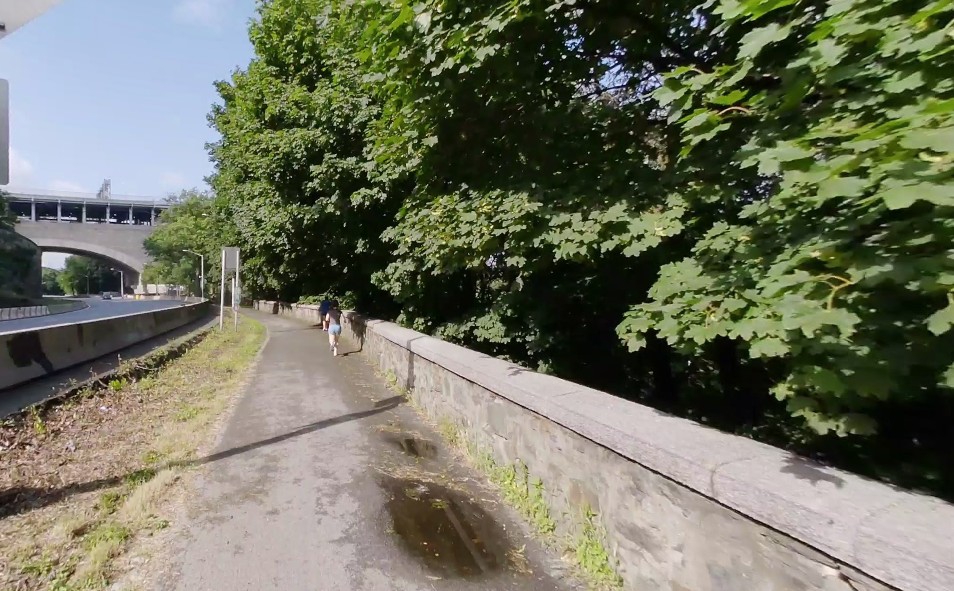
A part of the Greenway that was closedThe extended closure of the Hudson River Greenway between Dyckman and 181st Streets isn’t just an inconvenience—it’s a safety hazard. As New York bicycle accident lawyers, we know that even short detours can have serious consequences when cyclists are forced into traffic-heavy streets without proper protections.

What’s unfolding in Upper Manhattan right now is a striking example of how the city continues to treat cyclists as second-class commuters. The Greenway, the busiest bike path in the United States, is not just a recreational amenity—it’s a critical part of New York City’s transportation infrastructure. When it’s closed, riders aren’t just delayed—they’re endangered.

A Detour That Isn’t a Detour

Published on:

Queensboro_Bridge_from_Manhattan_sideA Blog by our NYC Personal Injury Lawyers

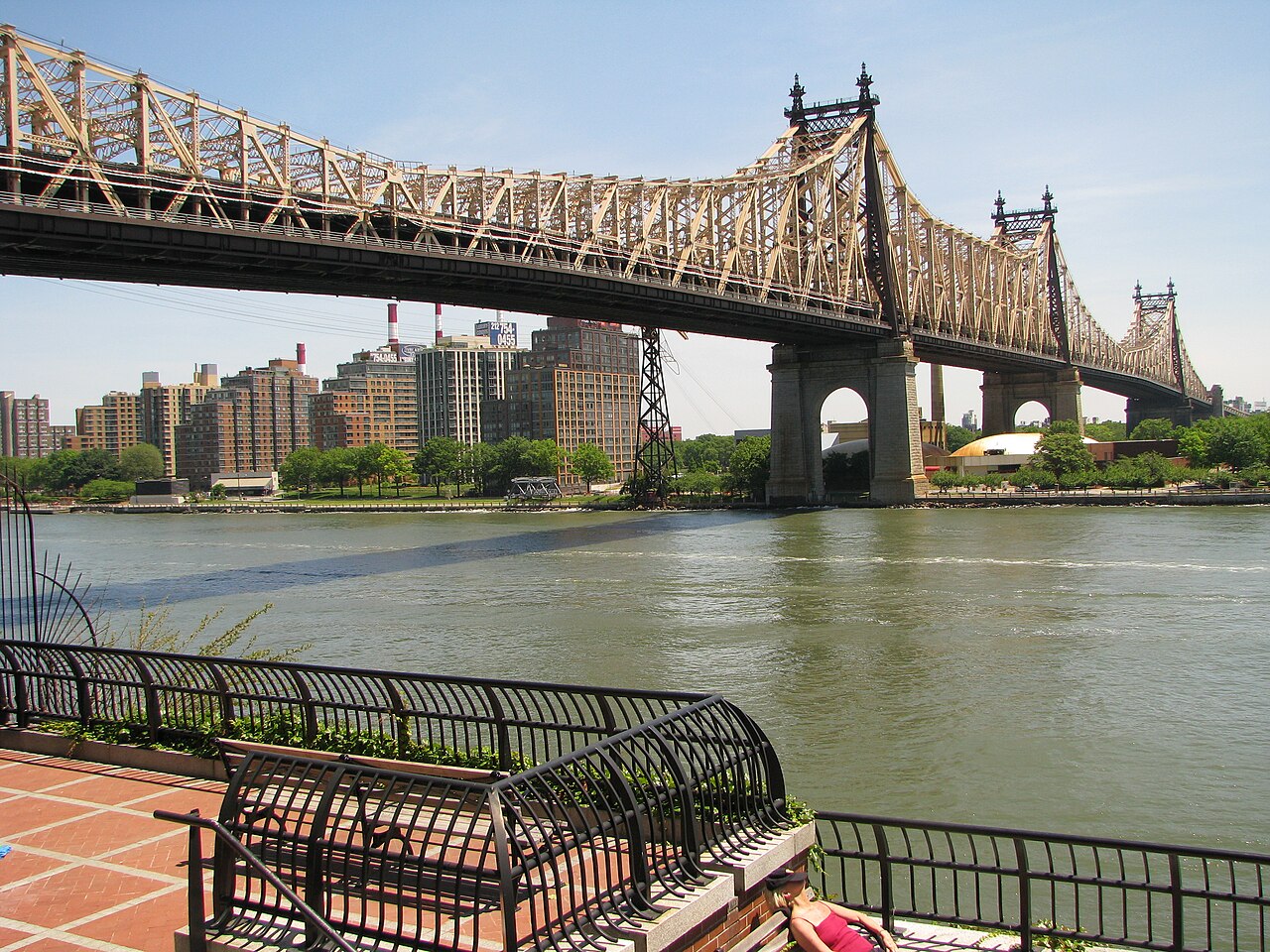
After years of dangerous conditions and tireless advocacy, New Yorkers finally have a safer way to cross the Queensboro Bridge. On Sunday, the city officially opened a newly redesigned layout that separates cyclists and pedestrians for the first time in the bridge’s history.

Until now, pedestrians and cyclists were forced to share a narrow 11-foot-wide space on the north outer roadway — a setup that led to constant congestion, unsafe conditions, and a documented pattern of injuries. As lawyers who represent victims of bicycle and pedestrian accidents throughout New York City, we’ve long seen the consequences of neglecting proper infrastructure. The redesign is a major step in the right direction.

Published on:

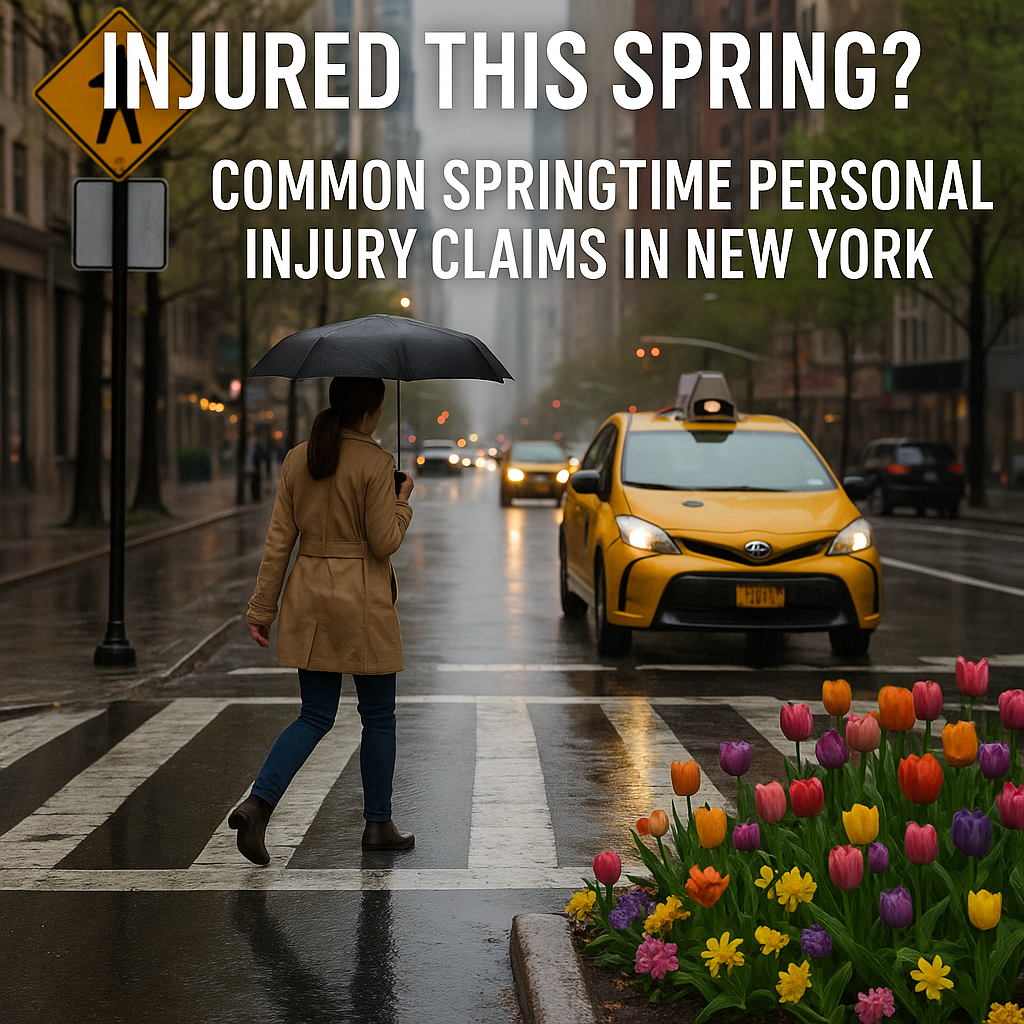
Car Accidents, Bicycle Crashes, Pedestrian Knockdowns, and Construction Injuries Spike as New Yorkers Head Outdoors

As New York thaws from winter and the streets grow busier, personal injury claims tend to rise—often sharply—during the spring months. At Gair, Gcommon NY personal injuries in the springair, Conason, Rubinowitz, Bloom, Hershenhorn, Steigman & Mackauf, our attorneys have represented victims of serious accidents for more than 100 years. Below are the most common spring-related personal injury cases we see across New York City.

1. Car Accidents Increase with Holiday Travel and Wet Roads

Published on:

Queensboro_Bridge_from_Manhattan_sideDespite years of planning and a near-complete pedestrian infrastructure project on the Queensboro Bridge, New York City continues to favor motor vehicles over the safety of its most vulnerable road users. On Saturday, more than 200 activists, including local officials and transportation advocates, walked across the southern roadway of the bridge to protest Mayor Adams’s failure to open the long-promised pedestrian pathway.

As New York City bicycle crash attorneys and pedestrian accident lawyers, we’ve seen firsthand how overcrowded, dangerous infrastructure contributes to severe injuries and fatalities. Nowhere is this more evident than on the Queensboro Bridge, where pedestrians and cyclists are forced to share a single, narrow 10-foot path—often resulting in collisions, near-misses, and chaos.

A Preventable Safety Crisis

Published on:

Winter Storm in NYC keep most New Yorkers indoorPedestrians, cyclists, motorcyclists and motor vehicle occupant fatalities declined in New York City during the first quarter.

While Mayor Adams Celebrates Progress Under Vision Zero, Winter Weather May Be the Unsung Hero

Officials are celebrating a sharp and historic drop in traffic fatalities during the first quarter of 2025. According to a recent announcement by Mayor Eric Adams and DOT Commissioner Ydanis Rodriguez, 41 people died in traffic crashes between January and March—down from 65 during the same period last year, and the second lowest Q1 total since records began.

Published on:

As NYC bicycle accident attorneys, we have seen the devastating impact of the city’s failure to prioritize safe streets. Victims of reckless drivers often suffer life-altering injuries—broken bones, traumatic brain injuries, spinal cord damage—all because the city refuses to implement the infrastructure that could prevent these tragedies.

A newly released Department of Transportation (DOT) report confirms what cyclists and safe-street advocates have long suspected: Mayor Eric Adams has systematically undermined New York City’s legally mandated commitments to expand bike lanes and bus lanes, putting cyclists and pedestrians at continued risk.

The Report’s Findings: A Stark Failure to Meet Commitments

Published on:

the bike lane on Third AvenueAs car accident lawyers practicing in New York City, we have witnessed the unfortunate consequences of traffic collisions and the severe impact they have on individuals, families, and communities. However, recent developments on Third Avenue present a hopeful narrative that underscores a truth we can all rally around: bike lanes make roadways safer for everyone.

The New York City Department of Transportation (DOT) recently released data indicating that the installation of a protected bike lane on Third Avenue has resulted in a remarkable 33 percent decrease in total injuries over the past year. Even more striking, injuries to drivers and passengers in vehicles plummeted by 43 percent. These statistics are not merely numbers; they represent lives profoundly affected—or saved—by thoughtful urban planning.

As noted by DOT spokesperson Vin Barone, “DOT’s redesign of Third Avenue has significantly reduced serious injuries—whether you’re walking, biking, or in a car on the corridor.” This statement demonstrates a comprehensive view of roadway safety, one that considers all users rather than prioritizing vehicles alone.

Published on:

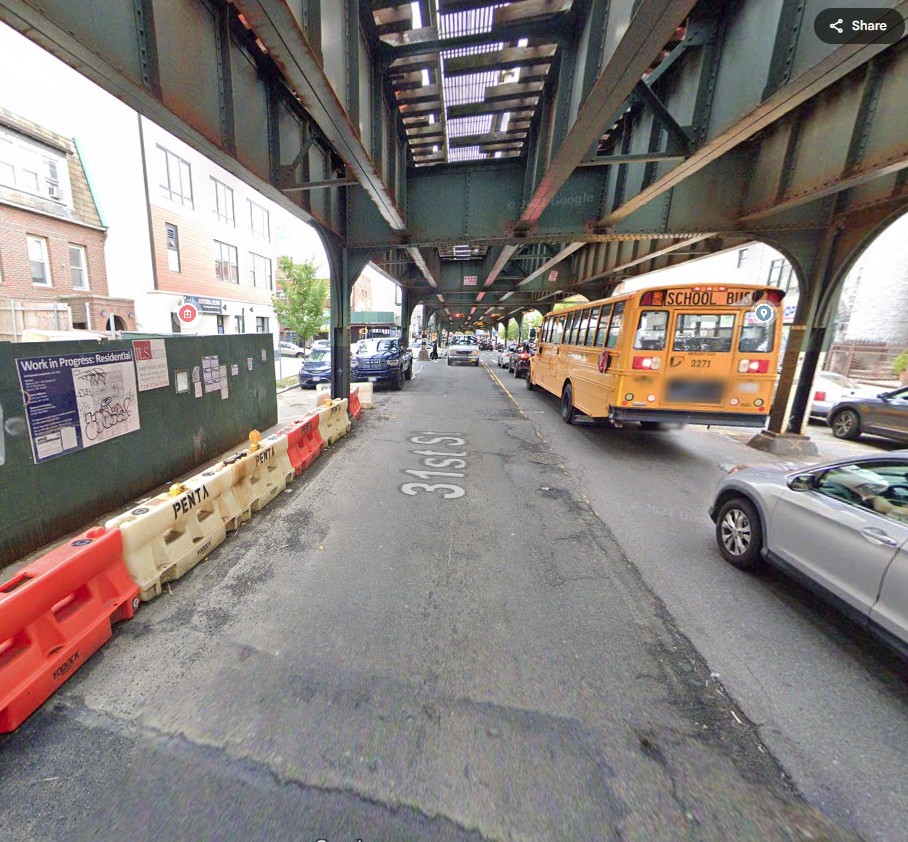
The recent transformation of 31st Avenue in Astoria, Queens, from a two-way street to a one-way thoroughfare has sparked significant debate among local residents and commuters. Implemented by the city’s Department of Transportation (DOT), this change aims to enhance safety for cyclists by establishing a dedicated bike boulevard along a 1.1-mile stretch from Steinway Street to Vernon Boulevard.

Community Perspectives

Cyclists have expressed appreciation for the redesign, noting an increased sense of security and a greater inclination to use bicycles for daily commutes. Unidirectional traffic simplifies street crossing and reduces potential hazards.

Published on:

NYPD Chase LawyersAs police chase accident lawyers in New York City, the recent incident in Manhattan’s West Village, where a 44-year-old cyclist was seriously injured by a driver fleeing law enforcement, underscores the complex legal landscape surrounding police pursuits and the rights of those inadvertently harmed.
Incident Overview

On December 18, 2024, a suspected drug dealer, while attempting to evade police apprehension, stole a black Ford Fusion and drove it the wrong way down West 3rd Street. During the reckless flight, the suspect struck a 44-year-old cyclist who was lawfully riding in the bike lane, causing the cyclist to be thrown into the air before crashing down. The driver continued fleeing, running a red light and damaging another vehicle, before abandoning the car and escaping on foot. As of the latest reports, the suspect remains at large.

Published on:

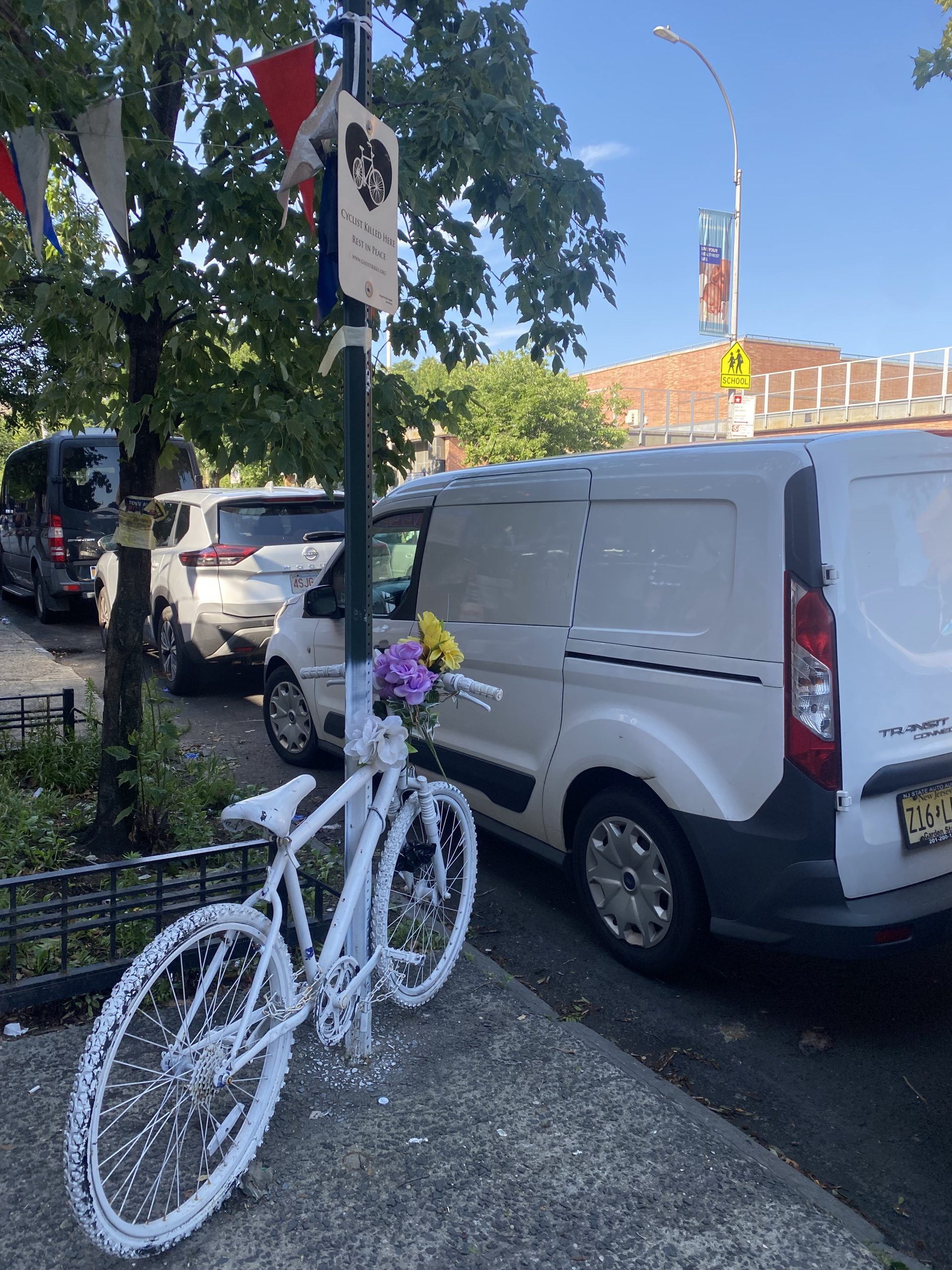
Amanda Servidio vigile invitationTonight, the family of Amanda Servedio, along with members of Bike and Brew, Families for Safe Streets, and Transportation Alternatives, will gather to honor Amanda’s memory with a vigil and ghost bike installation, followed by a memorial ride. Amanda, an avid cyclist and active Bike and Brew member, lost her life when a pickup truck, engaged in a high-speed police chase, collided with her as she rode her bike through Queens. This tragedy is part of a troubling pattern that has turned the 114th Precinct into an epicenter of reckless high-speed chases on residential streets.

In Queens, the 114th Precinct has seen 38 police chases this year alone—a staggering number for a largely residential area. These pursuits are often initiated on quiet neighborhood streets, placing lives like Amanda’s at extreme risk. The lack of regulation and accountability for these chases has created an epidemic of reckless endangerment in Astoria, where police should prioritize public safety, especially on streets heavily used by pedestrians and cyclists.

While the NYPD patrol guide dictates that officers terminate pursuits when the danger to the public outweighs the need for apprehension, these guidelines seem far from effectively enforced. Amanda’s death painfully underscores this issue—officers pursued a suspect with a staggering record of over 80 speed- and red-light violations, highlighting the systemic failures that allowed a known repeat offender to remain on the roads. The tragedy reflects a disregard for policies meant to protect lives, as the NYPD’s patrol guidelines about high-speed pursuits remain removed from public versions of the guide, further obscuring transparency.