Gair, Gair, Conason, Rubinowitz, Bloom, Hershenhorn, Steigman & Mackauf is a New York Plaintiff's personal injury law firm specializing in automobile accidents, construction accidents, medical malpractice, products liability, police misconduct and all types of New York personal injury litigation.
Published on:

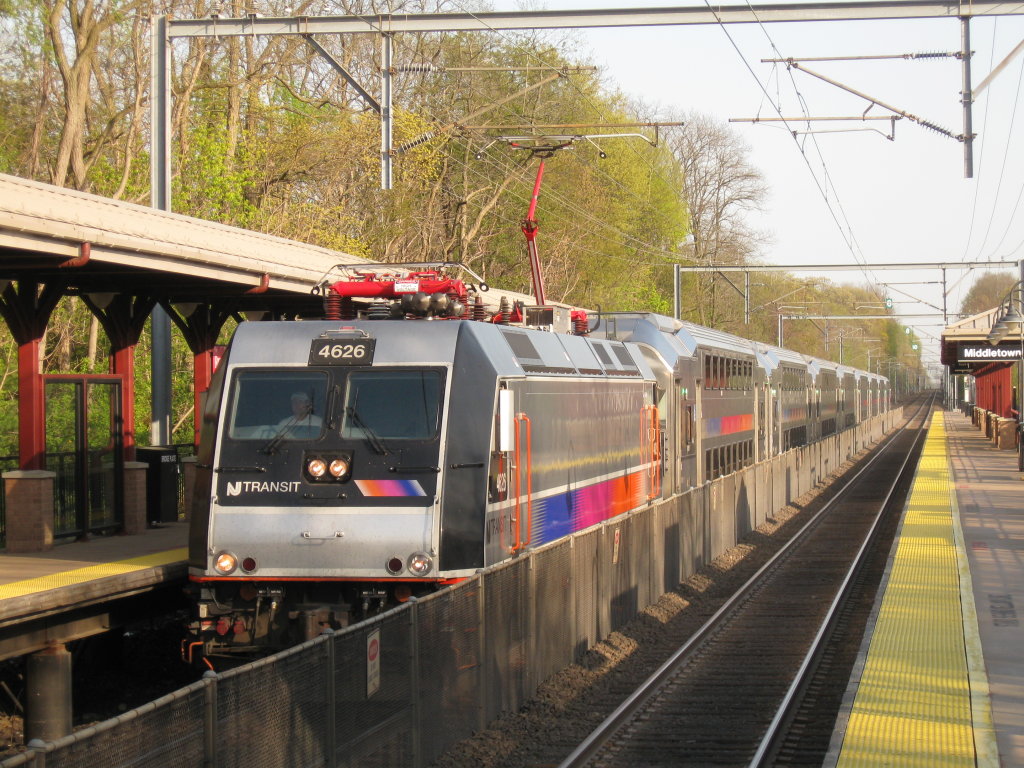
New-Jersey-Transit-trainThe 300,000 passengers who daily ride the NJ transit have reasons to worry about their safety. Last year federal inspectors scrutinized the New Jersey System and their findings are alarming. Just on train floors or passageway, inspectors found 140 hazards such as unlocked high voltage electrical panels with some of them containing paper tickets or touching bare wires. According to Nancy Snyder, a spokeswoman for the NJ Transit, the panels have been cleaned of the paper and locked reducing risks of fires for passengers.

Old, neglected and hazardous trains

Fire hazard is not the only hazard NJ Transit commuters are facing. During his two terms, the previous New Jersey Governor , Chris Christie, cut the NJ annual budget by 90%. Obviously what was left was barely enough to cover day to day expenses and the train system suffered badly. The fleet includes 50 year-old locomotives and passenger cars that were built in the 80ies and 90ies. Engines are old and neglected. Inspectors found locomotives were not in condition to operate with complete air-brake reservoir failure and misaligned foundation gears compromising the braking system. On another locomotive inspectors found that the system allowing traction on slippery tracks was broken.  In the accident that killed a woman on the Hoboken terminal, inspectors found out that the event recorders was broken on the lead locomotive. Several locomotives  were in use despite not having been inspected. Missing electrical grounding was common and suspension problems were found on a multitude of engines. Additionally  an employee was found playing with his cell phone while parking trains and forgetting to apply breaks.
Published on:

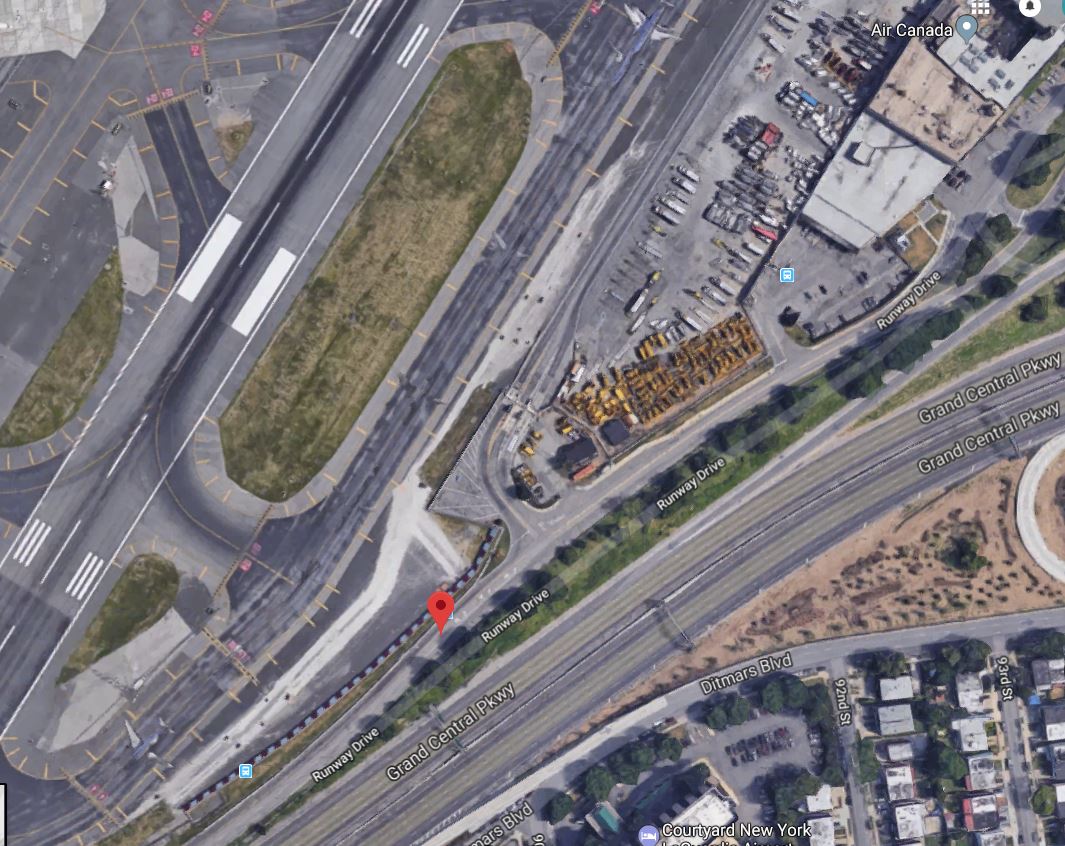
bicycle accident locationA bicyclist died in a hit and run accident near Laguardia Airport in New York City. After reviewing surveillance videos, the Police now believe that the victim was hit by a shuttle bus.

36 year old Steven Morales was pedaling on Runway Drive near Laguardia Airport around 7:00 pm when he was mowed down by a vehicle that never stopped. The emergency crew gave him CPR and rushed him to a nearby hospital but he couldn’t be saved.

Runway drive which is an access road to Laguardia Airport was shut down for a few hours for investigation purposes. The police also searched surveillance camera and were able to find the shuttle and the driver who allegedly hit the cyclist. The driver denied hitting anyone. He wasn’t arrested. According to the police the bicyclist may have been hit by the rear wheel of the shuttle bus.

Published on:

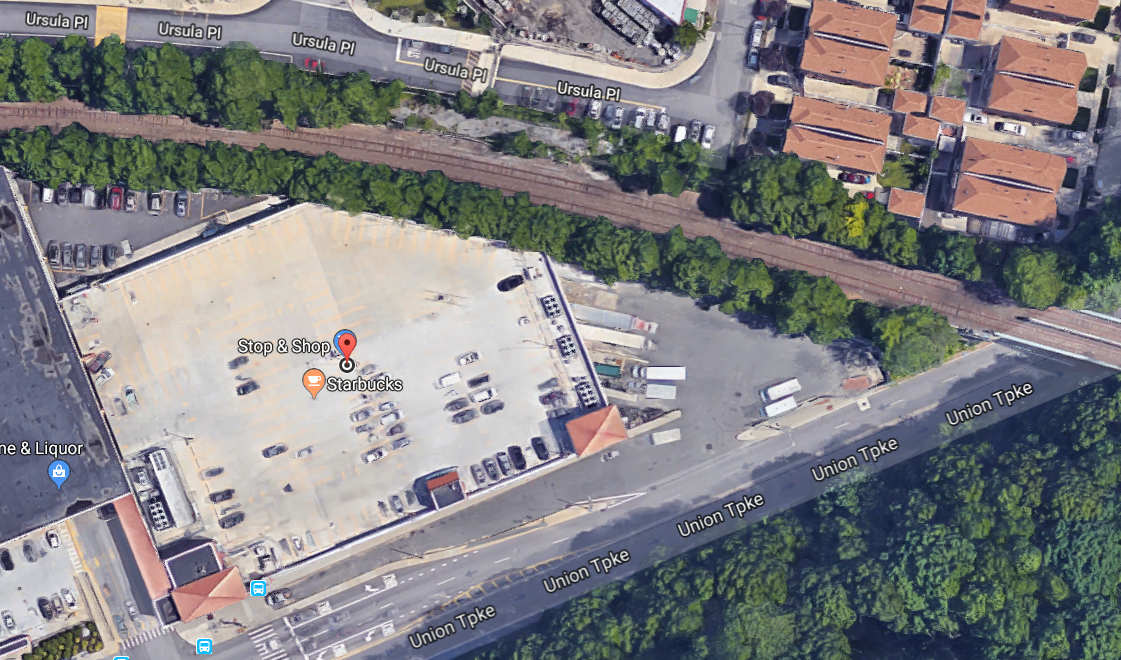
crash locationA young man died in a car crash in Queens, NYC Saturday around 12:45 am.

The 21 year old man whose identity wasn’t released lost control of his vehicle while driving on Union Turnpike in Forest Hills near Woodhaven Boulevard. He hit a divider near the Stop & Shop supermarket and slammed into an edge of the supermarket’s loading dock (see picture from Google Map). His car burst on fire. By the time the emergency crew responded to the accident it was already too late. The victim was rushed to the hospital but he couldn’t be saved.

Read more in the NY Daily News

Published on:

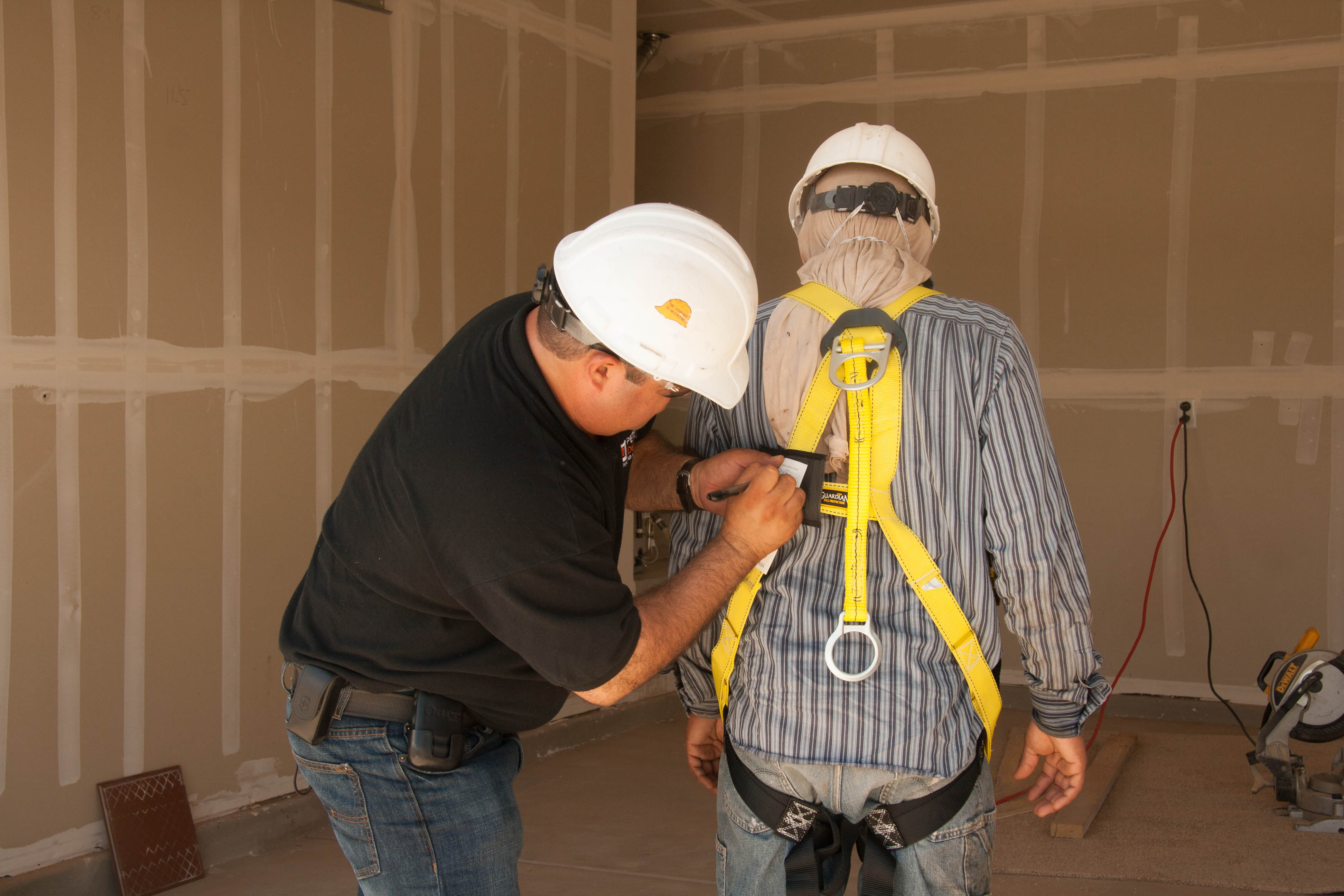
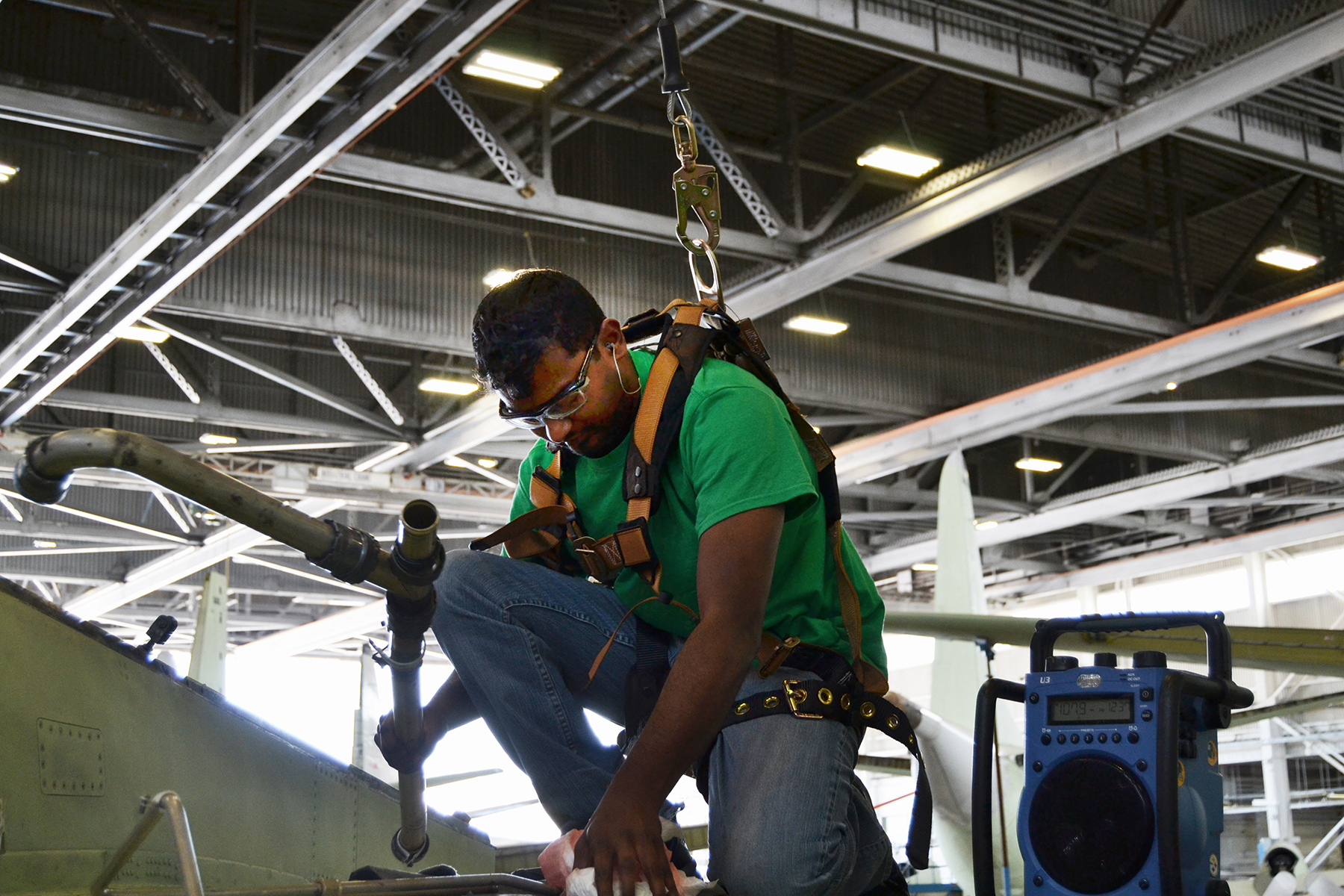
Construction worker helpin another one to set up safety harness
In New York almost half of the fatal accidents on construction sites are caused by falls. Most falls are preventable. OSHA is requiring that any worker who is working at a height of 6 feet or more from the ground and who is near an unprotected side or edge be protected with either or both of the following safety equipment:

  1. Fall restraint systems such as guardrails or safety nets
  2. Personal fall arrest system (PFAS) that includes full body harness, shock-absorbing lanyard vertical lifeline and a solid anchorage point.
Published on:

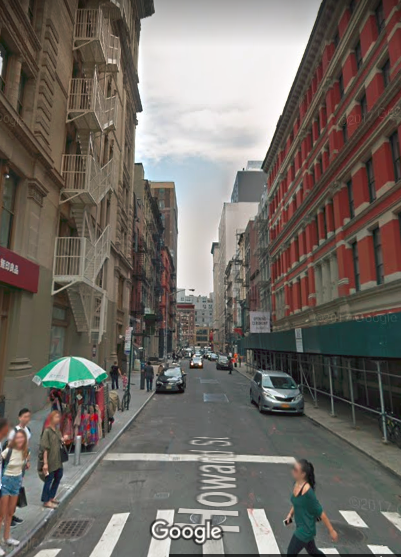
location of the fatal accidentA man and a woman walking on Howard Street in New York City suffered critical injury after being hit on their heads by a falling piece of fire escape on Friday afternoon.

The man, identified as 58 year old Richard Marchhart from Long Island, succumbed to his injuries a day after his hospitalization. He left behind a wife and three children: a daughter going to high school and two sons going to college.

The injured woman is a 24 year old artist who was on her way to a studio at the New York Academy of Art on Franklin Street.

Published on:

New technology, new medication and new treatments can help patients but can also be confusing to the staff and lead to medical malpractice.  Every new year brings new challenges for hospitals and doctors.  The ECRI institute just published its top 10 hospital watch list for 2018:

  1. addiction appNew prescription phone apps that help with addiction

    Last year the FDA approved reSET®, a prescription app for patients with substance-use disorders.  Relying on cognitive-behavioral therapy, the app interacts with the patient  to find out if the patient was using, to rate the patient’s craving and to rate his or her feeling. After a few weeks the app is able to turn the data into messages for the patient such as “your urge to do drugs might increase when you feel lonely”. Patients better understand what triggers their urge and doctors can use results for face to face meetings. This app was approved after the FDA found out in a 12 week trial that patients using the app stayed away from their addiction problem for much longer than those who din’t use the app.  However the app didn’t show positive results for opiate addicts and therefore the FDA didn’t approve it for patients who used opiates. The manufacturer is working on a separate app for opiate use and is running trials.

Published on:

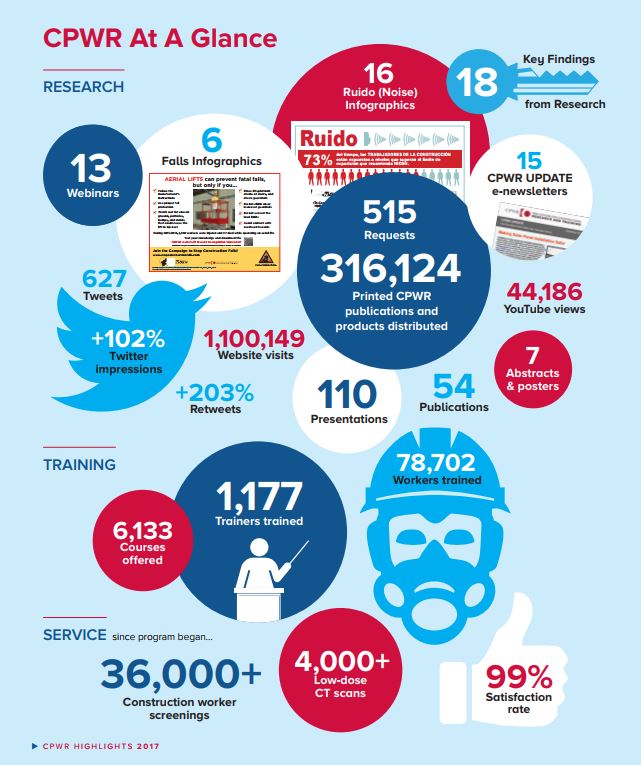
CPWR at a glanceProtecting construction workers from being injured or dying in accidents is the mission of the Center for Construction Research and Training (CPWR). CPWR not only publishes in-depth research in the field of construction safety and health but also provides services and training programs for construction workers.

The researchers at CPWR are working in close collaboration with the National Institute for Occupational Safety and Health (NIOSH)  on safety and health issues affecting construction workers. Based on research results, CPWR develops new interventions to protect construction workers.  CPWR is working with tool and equipment manufacturers, instructors and insurance companies to reach out to contractors and workers. They believe in r2p: research to practice and p2r: practice to research.

Last year the institution offered 6,133 courses and trained 1,177 trainers who themselves trained 78,702 workers. CPWR firmly believes that improving safety culture and climate leads to a reduction of injury and illnesses.

Published on:

Positive Train Control can prevent accidentsIf Positive Train Control (PTC) was functioning, the recent fatal train accident between a New York –  Miami Amtrack and CSX freight train in South Carolina wouldn’t have occurred. PTC uses satellite technology and track sensors to determine the location of a train and to find out if there is a speed restriction or an obstruction ahead.

Unfortunately  wayside signals had been turned off for maintenance and were inoperative in the area of the accident . If they had been working PTC would have automatically slowed down the train and the accident may have been prevented.

PTC would have also prevented the derailment of the Amtrack train in Dupont, Washington last December. In the December accident, the train enginer failed to slow down before a curve causing the train to derail. This type of accident would not happen anymore if PTC was installed and functioning on all national railroads.

Published on:

https://www.newyorkpersonalinjuryattorneysblog.com/files/2018/02/New_York_City_Housing_Authority_logo.svg_.pngLead based paint exposure can cause serious personal injury, especially to young children. Lead poisoning builds in the body over months, sometimes over years.  A small quantity of lead such as paint on the wall or dust is enough to create severe mental and physical impairments in children and a larger quantity can lead to death. Lead paint was widely used to paint residential interiors in the past but  after its toxicity was discovered it wasn’t used anymore. Lead paint can still be found on the walls of old buildings that haven’t been renovated for a long time. Some of the New York City Housing Authority (NYCHA) buildings for example still have lead paint. NYCHA was supposed to inspect its buildings and address issues but recently the Department of Investigation found out that NYCHA not only failed to inspect buildings for lead paint but also falsified documents to pretend inspections occurred (see previous blog).

NEGATIVE HEALTH EFFECT FROM MOLD INVESTIGATED TOO

On Monday the New York State Department of Health announced that it was opening an investigation over the health impact of NYCHA’s failures to tenants in Southern Queens. The Health Department will not only study the consequences of lead paint exposures but also health problems related to mold. Mold is affecting thousands of  NYCHA apartments. It can cause asthma and other serious respiratory diseases. Additionally the Health Department will also study the health impact of the recent heat and hot water outages. Since October including during the coldest days, more that 320,000 NYCHA tenants (80%)  have been experiencing heat or hot water outages. These outages are especially unhealthy for younger or older tenants.

Published on:

Fall Protection SystemThe Center for Construction Research and Training (CPWR) looked over 33 years of data from the NIOSH Fatality Assessment and Control Evaluation program and found out that falls were responsible for 42% of hard hat deaths. The CPWR searchers also found that  54% of the workers who died after falling did not have access to a personal fall arrest system and 23% had access to it but did not use it.  The study also found that roofers, siding and sheet metal contractors were those who most often were not provided with a personal fall arrest system. These numbers  clearly show the importance  of  holding contractors accountable for the safety of their employees when they work at high elevation.

NY STATE SCAFFOLD LAW MUST BE KEPT

In New York, the Scaffold Safety Law (Section 240(1) of the NYS Labor Law)  holds an owner and general contractor responsible for the death or the injuries of a worker if the worker wasn’t provided with the necessary safety equipment when working at height. Big construction companies and insurance companies have been trying to kill this law for years. However the Scaffold Law remains the most effective manner to make sure construction workers are protected from falls. This is particularly important in New York City where a lot of hard hats are participating in the construction of high rises buildings.